In the demanding world of high-pressure applications, selecting the right High Pressure Pipe Fitting can be crucial. Industry expert James Thompson once said, "The integrity of your fittings can make or break a project." His insight underscores the importance of making informed choices in this sector.
As the market evolves, understanding specific needs is essential. High Pressure Pipe Fittings must withstand intense conditions and deliver reliable performance. Each fitting plays a critical role in the overall efficiency of systems they support. Inadequate fittings can lead to failures, costly downtime, and safety hazards.
Choosing the right fittings involves careful consideration of material, pressure ratings, and compatibility. The right decision depends on thorough research and expert advice. However, many companies overlook these factors, leading to regrettable mistakes. Remember, a fitting is only as good as its application. Trust in the right knowledge and experience to guide your choices.
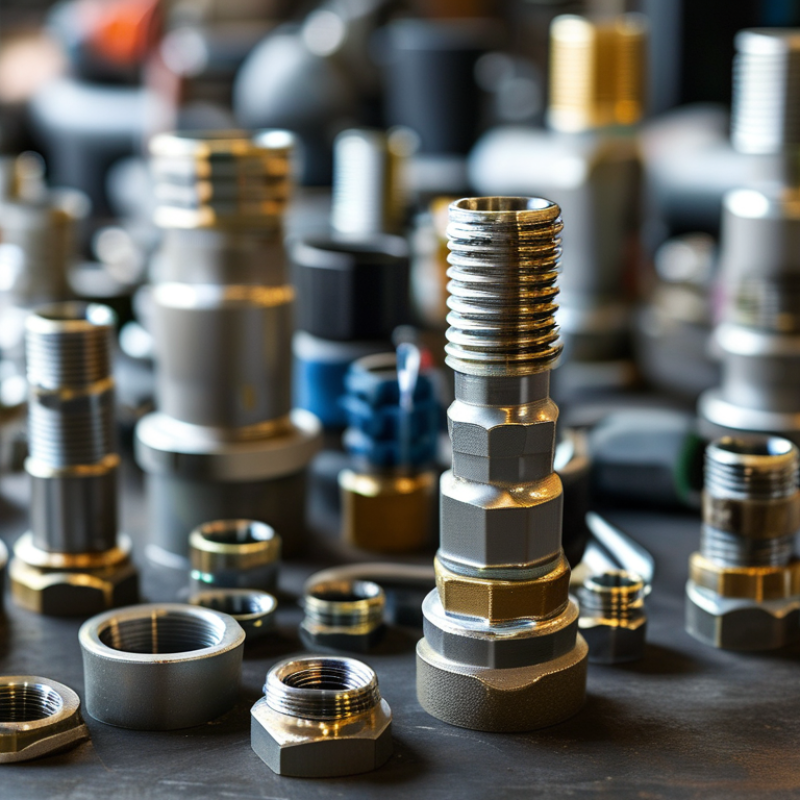
High pressure pipe fittings are critical components in various industries, including chemical manufacturing, oil and gas, and power generation. Their primary function is to connect pipes and maintain high-pressure integrity. The demand for these fittings has grown, with the global market expected to reach over $4 billion by 2026, according to recent industry reports. Factors driving this growth include the increasing need for durable and efficient piping systems in energy sectors.
Understanding the types of high pressure pipe fittings is essential for selecting the right component for your application. Common types include threaded, flanged, and welded fittings, each suited for specific pressure and temperature requirements. The choice depends on factors like material compatibility and stress capacity. For example, carbon steel is often favored for its cost-effectiveness and strength, but it may corrode under certain conditions. A detailed assessment can help mitigate risks associated with corrosion and wear.
Moreover, while high pressure fittings are designed to withstand extreme conditions, they can be susceptible to issues such as leakage and failure. Regular inspections and maintenance are crucial. Reports indicate that up to 30% of failures in piping systems are due to improper installation or material selection. Addressing these vulnerabilities is vital for ensuring safety and operational efficiency in industrial applications.
High pressure pipe fittings are crucial in various industries. They connect pipes and manage the flow of fluids under high pressure. These fittings come in several types, including elbows, tees, and couplings. Each serves a specific purpose and is designed for certain applications.
Elbows are used to change the direction of flow. They can be found in plumbing, HVAC systems, and chemical processing. Tees allow branches to connect to main pipelines, enabling division of flow.
Couplings connect two sections of pipe for longer runs. These components are often used in oil and gas, power generation, and water treatment.
Choosing the right fitting can be challenging. The pressure rating and material compatibility are vital factors. Engineers often face dilemmas regarding cost-effectiveness versus durability. Maintaining reliability in high-pressure systems requires attention to detail.
Regular inspections and updates ensure performance standards are met. Understanding the nuances of these fittings is key to successful applications.
When selecting high-pressure pipe fittings, several key considerations emerge. One essential factor is material compatibility. High-pressure fittings must endure significant stress and exposure to various chemicals. Stainless steel remains a top choice for its resistance to corrosion and durability. A recent industry study indicated that stainless steel fittings have a failure rate of less than 0.5% under extreme conditions. This reliability is crucial for industries like oil and gas, where downtime can lead to substantial financial loss.
Another critical aspect is pressure rating. Fittings must meet or exceed the system's maximum pressure requirements. Most high-pressure applications require fittings rated at least 1.5 times the operating pressure to ensure safety and performance. In recent reports, it was found that nearly 30% of high-pressure system failures are linked to improperly rated fittings. Buyers need to examine these specifications closely to avoid costly mistakes.
Additionally, the installation process deserves attention. Proper assembly and testing are vital to maintain joint integrity. Some users overlook the importance of regular inspections and maintenance, believing that once installed, the system is fail-proof. Statistical data shows that 20% of high-pressure leaks occur due to installation errors. Thus, investing in training and adherence to best practices can further enhance system reliability.
The high pressure pipe fitting market is evolving rapidly. Major manufacturers are addressing demands driven by industries like oil and gas, chemical processing, and power generation. Reports indicate a significant growth rate, with some forecasts estimating a compound annual growth rate (CAGR) of over 5% during the next few years. This indicates a rising reliance on robust and durable piping solutions.
Top manufacturers in this field focus on innovative materials and designs. They ensure that products meet stringent safety and performance standards. The use of advanced materials like stainless steel and special alloys enhances reliability under extreme conditions. However, challenges remain. Many companies struggle with supply chain disruptions, which can affect product availability. Monitoring these trends is vital for buyers looking to invest in high-quality products.
Competitive pricing remains a concern. Buyers often seek cost-effective options without compromising quality. Research suggests that while cheaper alternatives exist, they may not deliver the same durability or performance in high-pressure applications. Reliable suppliers will provide detailed specifications, ensuring informed purchasing decisions. Ultimately, staying informed on market dynamics is crucial for successful procurement in this specialized sector.
High-pressure pipe fittings are vital in various industries, providing reliable connections for fluid and gas transport. However, safety during their use cannot be overemphasized. Regular maintenance is crucial to ensure optimal performance and prevent accidents. Inspect fittings routinely for any signs of wear or damage. Even a small crack can lead to significant failures.
Understanding the environment where these fittings operate is essential. Extreme temperature changes can affect materials. Ensure that fittings are suitable for the specific pressure and temperature conditions they will face. Not all materials are created equal, and choosing wisely can avoid catastrophic results.
Practicing good operating habits can greatly enhance safety. Tighten fittings according to specifications, but avoid over-tightening, which can cause fractures. Always use the correct tools for installation and maintenance. Keeping a clean and organized workspace also minimizes hazards, as it reduces the risk of accidental damage or slips during handling. Reflecting on past incidents can provide valuable insights. Continuous learning and adapting practices can lead to improved safety in high-pressure environments.
: They connect pipes and manage the flow of fluids under high pressure.
Common types include elbows, tees, and couplings, each serving specific functions.
Elbows change the direction of fluid flow, found in plumbing and HVAC systems.
Tees connect branches to main pipelines, allowing for flow division across systems.
The right fitting ensures compatibility, pressure rating, and overall system reliability.
Regular inspections for wear and damage are essential to prevent failures.
Extreme temperature changes can affect materials and their performance over time.
Proper tightening, using correct tools, and maintaining a clean workspace are crucial.
Balancing cost-effectiveness and durability can be complex and requires attention.
Look for detailed specifications and consider market dynamics to ensure quality.
The "2026 Top High Pressure Pipe Fitting Buyers Guide" provides a comprehensive overview of high pressure pipe fittings, essential components in various industries requiring robust fluid transfer solutions. The article covers the different types of high pressure pipe fittings, highlighting their specific applications across sectors such as oil and gas, chemical processing, and manufacturing.
Key considerations when selecting high pressure pipe fittings are also discussed, including material compatibility, pressure ratings, and installation requirements. Furthermore, the guide emphasizes the importance of maintenance and safety practices to ensure optimal performance and reduce the risk of failures. This resource serves as a valuable reference for buyers and professionals aiming to make informed decisions in the high pressure pipe fitting market.

Kerlimar