What Is Black Carbon Steel Pipe Used For?

Time:2026-10-17 Author:Sophia
0%

When people ask, “What is Black Carbon Steel Pipe used for?” the practical answer depends on pressure, temperature, fluid, and site conditions. Black Carbon Steel Pipe is commonly used for transporting oil, natural gas, water, steam, and compressed air. It also appears in fire protection systems, industrial plants, scaffolding, handrails, and structural frameworks.

The word “black” usually describes the pipe’s dark, mill-finished surface. It generally means the steel has not received a protective zinc coating, unlike galvanized pipe. That distinction matters. Without suitable protection, moisture and oxygen can cause external rust, especially in humid rooms, buried trenches, or coastal environments. Interior corrosion can also affect water quality and reduce wall thickness over time.

In field projects, engineers select this pipe because it combines strength, weldability, availability, and reasonable cost. A thick-walled section may support high pressure, while a lighter section can serve a low-demand structural purpose. Pipe schedules, outside diameter, steel grade, connection method, and relevant standards must match the application. It is not a universal solution.

Installation details matter greatly. Clean welds, correct alignment, pressure testing, and suitable paint or coating can extend service life. For drinking water, chemical service, or severe underground exposure, another material may be more appropriate. A simple answer can mislead. The best choice comes from verified design data, manufacturer documentation, and an engineer’s review. Even experienced teams can overlook corrosion risks when cost and delivery deadlines dominate the discussion.
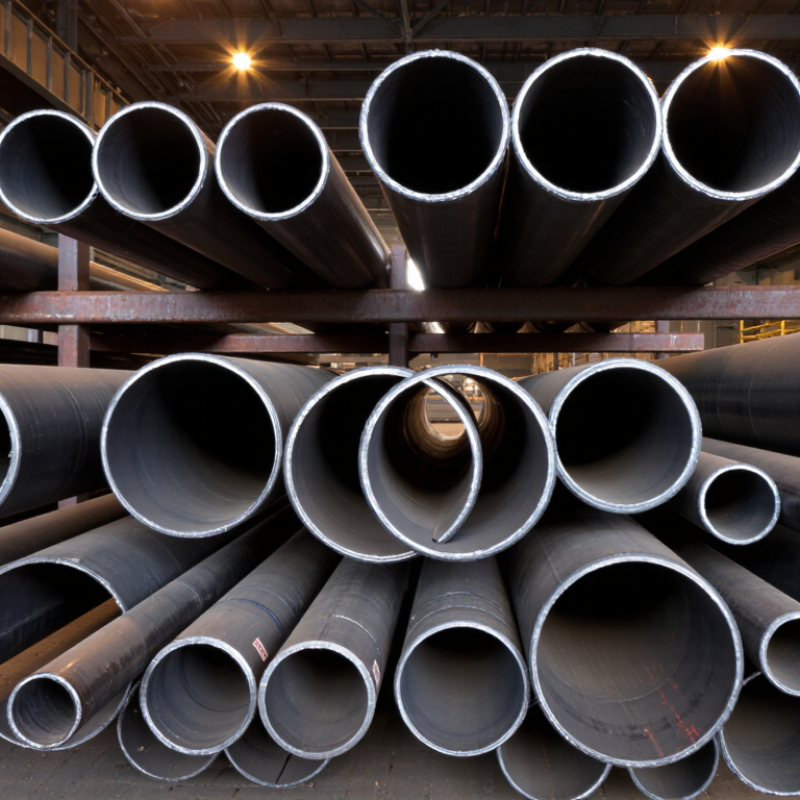
What Is Black Carbon Steel Pipe Used For?

Definition and Key Characteristics of Black Carbon Steel Pipe

What Is Black Carbon Steel Pipe Used For?

Definition and Key Characteristics of Black Carbon Steel Pipe

Black carbon steel pipe is made mainly from iron and carbon. Its dark surface usually comes from mill scale formed during manufacturing. It is not the same as galvanized pipe, which has a protective zinc coating.

The term “black” describes appearance, not a special grade. Carbon content, wall thickness, and manufacturing method affect performance. These pipes offer good strength and practical weldability. They also support machining, cutting, and threaded connections when properly specified. Their smooth, industrial appearance can seem durable, but appearance alone proves very little.

Black carbon steel pipe commonly carries water, gas, oil, compressed air, and other industrial fluids. It also serves in fire protection systems, structural frames, and equipment supports. Engineers select it for pressure service after checking the applicable standard, pipe schedule, temperature, and fluid conditions. A pipe that works well in a dry indoor plant may fail quickly outdoors.

Corrosion resistance remains a key limitation. Without paint, coating, insulation control, or suitable maintenance, moisture can attack the surface and reduce wall thickness. That detail is easy to overlook. Black pipe may also be unsuitable for drinking water unless the complete system meets local requirements. In real projects, confusing nominal size with actual outside diameter causes avoidable errors. Careful inspection, material certificates, and qualified installation improve reliability, although no specification removes every risk.

What Is Black Carbon Steel Pipe Used For? — Definition and Key Characteristics

Black carbon steel pipe is carbon steel pipe with a dark mill-scale surface, typically supplied without a galvanized or painted finish. It is widely used for water and wastewater lines, fire-protection systems, compressed air, structural supports, and industrial process piping. The chart shows the outside diameters of common nominal pipe sizes according to ASME B36.10M dimensions; the diameter is independent of the pipe’s wall thickness or schedule.

Key characteristics include high strength, good weldability in suitable grades, machinability, and cost efficiency. Because uncoated carbon steel can corrode when exposed to moisture or aggressive chemicals, protective coatings, lining, or corrosion-control measures may be required.

How Black Carbon Steel Pipe Is Manufactured

Black carbon steel pipe is widely used for water lines, structural supports, compressed air systems, and industrial fluid transport. Its dark surface comes from iron oxide formed during hot manufacturing, not from a painted coating. The pipe is strong, economical, and suitable for many indoor or protected applications. However, it needs additional protection in wet or highly corrosive environments.

Manufacturing begins with carefully selected carbon steel billets or coils. For seamless pipe, a heated billet is pierced and rolled over a controlled mandrel. The process creates a continuous tube without a welded seam. Welded pipe follows a different route. A flat steel strip is shaped into a cylinder, then joined along its length using electric resistance welding or another controlled welding method. Heat treatment may reduce internal stress.

Quality control is practical and detailed. Technicians check wall thickness, outside diameter, straightness, weld condition, and surface defects. Pressure testing can reveal leaks that visual inspection misses. Ends may be threaded, beveled, or cut for a specific connection. Small variations still occur. That matters. Excessive heat can distort the pipe, while poor forming may weaken the seam. Experienced manufacturers adjust speed, temperature, and pressure throughout production. After inspection, pipes are bundled, marked, and stored away from standing water. Their final use depends on grade, dimensions, pressure requirements, and exposure conditions.

Common Industrial and Commercial Applications

Black carbon steel pipe is widely used where strength, affordability, and reliable flow are important.

Its dark surface comes from an uncoated finish, not paint. In manufacturing plants, it carries water, compressed air, steam, oil, and non-corrosive process fluids. Thick walls help it tolerate pressure, vibration, and demanding temperatures. Welders also value its predictable fabrication properties.

Commercial buildings use black carbon steel pipe for fire sprinkler systems, boiler rooms, heating networks, and mechanical services.

Construction teams often install it in warehouses, workshops, and high-rise service areas. It can also support structural frames, guardrails, bollards, and temporary equipment supports. These applications benefit from its rigidity and availability. However, it is not a perfect choice for every environment. Moisture and salt can cause rust, especially around cut edges and threaded joints.

Tips:

Confirm the fluid, pressure, temperature, and required pipe schedule before ordering. Check applicable local codes and inspection requirements. For drinking water, select an approved material instead. Store pipe above wet floors and cover open ends during transport. A protective coating may extend service life, but surface preparation matters. In field work, I have seen small scratches become larger corrosion points. That detail is easy to overlook. Regular inspections should focus on welds, supports, joints, and low areas where water collects.

Advantages and Limitations of Black Carbon Steel Pipe

What Is Black Carbon Steel Pipe Used For?

Black carbon steel pipe is used for structural supports, water lines, compressed air, and selected industrial services. Its dark surface comes from mill scale, not decorative coating. In workshops, installers value its strength, predictable fabrication, and wide range of wall thicknesses. The material handles impact well and can support heavy loads when properly specified. It also transfers fluids efficiently through smooth internal surfaces. With suitable wall thickness and pressure ratings, it can serve demanding systems. That practicality explains its continued use.

Its main advantage is cost-effective strength. It is usually easier to cut, thread, weld, and repair than many specialized alloys. However, black pipe has clear limitations. Moisture causes corrosion, especially around scratches, welds, and pipe supports. The rough mill-scale surface can also hide early rust. It may require paint, wrapping, drainage, or another protective system. It is not a perfect all-purpose choice. For buried or aggressive environments, selecting it without corrosion analysis can create expensive maintenance later. Field conditions often matter more than the catalog description.

Tips: Check the fluid, pressure, temperature, soil, and exposure before choosing a grade. Clean and protect weld areas carefully. Ask a qualified engineer to verify wall thickness and applicable standards. Do not assume thicker always means safer; poor joining can still cause failure. In practical inspections, small rust spots often become larger problems. That detail deserves attention.

Selection, Installation, and Maintenance Considerations

What Is Black Carbon Steel Pipe Used For?
Selection, Installation, and Maintenance Considerations

Black carbon steel pipe is commonly used for fire protection, compressed air, heating water, and industrial process lines. Its dark surface usually means it is ungalvanized or mill-finished. It is strong, economical, and available in many wall thicknesses. However, it can rust quickly when moisture remains inside or outside the pipe. Selection should match the fluid, temperature, pressure, diameter, and local code requirements. For potable water, approval must be verified rather than assumed.

In practice, installers check the pipe schedule and connection method before ordering materials. Threaded joints suit smaller lines, while welded joints often serve larger systems. Cut ends should be deburred, cleaned, and aligned carefully. Pipe supports must prevent sagging near valves and fittings. After installation, a qualified person should complete the required pressure test. Welding areas also need proper ventilation and fire controls. A rushed installation may pass a visual inspection but still leak under pressure.

Maintenance begins with routine inspection, especially near threaded joints, low points, and outdoor supports. Remove standing water and repair damaged protective coatings promptly. Condensation under insulation deserves attention. It can remain hidden for months. Thickness measurements may be useful in demanding environments. A common mistake is repainting visible rust without removing it first. That repair looks acceptable briefly, then fails again. Maintenance records should include inspection dates, leak locations, test results, and replaced sections. Even experienced teams should review assumptions when service conditions change.

FAQS

What is black carbon steel pipe commonly used for?

It carries water, compressed air, steam, oil, and non-corrosive process fluids. It also supports frames, guardrails, and equipment.

Why does the pipe have a dark surface?

The dark appearance usually comes from mill scale or an uncoated finish. It is not necessarily painted.

What are its main advantages?

It offers strong performance at a reasonable cost. Workers can cut, thread, weld, and repair it with familiar methods. That practicality matters.

Where can this pipe be installed in buildings?

Common locations include boiler rooms, sprinkler systems, heating networks, and mechanical areas. It also appears in warehouses and workshops.

Can black carbon steel pipe handle demanding conditions?

Properly selected pipe can tolerate pressure, vibration, impact, and changing temperatures. Wall thickness and pressure ratings must match the system. Thicker is not always safer.

What causes corrosion in black carbon steel pipe?

Moisture, salt, scratches, welds, and threaded joints can start rust. Water may also collect around supports and low points. Small damage grows.

Is it suitable for drinking water?

Do not assume it is suitable. Verify material approval and local requirements before using it for potable water. A different material may be needed.

What should be checked before ordering?

Confirm the fluid, pressure, temperature, diameter, exposure, and pipe schedule. Review connection methods and inspection requirements. Catalog information may not reflect field conditions.

How should the pipe be installed?

Deburr and clean cut ends before connecting them. Align joints carefully and support the pipe near valves and fittings. Rushed work can leak later.

How should black carbon steel pipe be maintained?

Inspect joints, welds, supports, low areas, and outdoor sections regularly. Remove standing water and repair damaged coatings promptly. Do not simply paint over visible rust.

Conclusion

Black Carbon Steel Pipe is a durable, cost-effective piping product made primarily from carbon steel and finished with a dark oxide scale formed during manufacturing. It is typically produced by shaping and welding steel or forming seamless sections, followed by sizing, testing, and surface inspection. Its strength, rigidity, and ability to handle pressure make it suitable for transporting water, air, steam, oil, gas, and other industrial fluids in controlled systems.

Common uses include construction supports, mechanical frameworks, fire protection lines, agricultural equipment, and commercial utility systems. Its main advantages are high strength, broad size availability, easy fabrication, and relatively low cost. However, the uncoated surface can corrode when exposed to moisture, chemicals, or harsh outdoor conditions, so protective coatings or suitable environmental controls may be necessary. Proper selection should consider pressure, temperature, fluid type, dimensions, and applicable standards. Correct cutting, joining, installation alignment, inspection, drainage, and routine maintenance can help extend service life and maintain safe, reliable performance.


Sophia

Sophia

Sophia is a dedicated marketing professional with an exceptional depth of knowledge about her company's products and services. With a keen understanding of market trends and customer needs, she crafts insightful blog posts that not only inform but also engage readers, enriching the company’s online......