When selecting materials for construction projects, the choice of piping can significantly impact performance. Alloy Steel Pipe stands out among various options. Research by the World Steel Association shows that alloy steel can improve strength by 30% compared to standard carbon steel. This increased strength translates into better resistance to harsh environments.
Moreover, according to the American Society for Testing and Materials (ASTM), alloy steel exhibits excellent corrosion resistance. This characteristic makes it ideal for industries like oil and gas, where conditions are demanding. However, some projects may overlook the long-term benefits of investing in higher-quality materials.
Many engineers may doubt the cost-effectiveness of alloy steel pipes. Despite the initial investment, their longevity can lead to lower maintenance costs. In this regard, selecting Alloy Steel Pipe could prove to be a more wise decision in the long term.
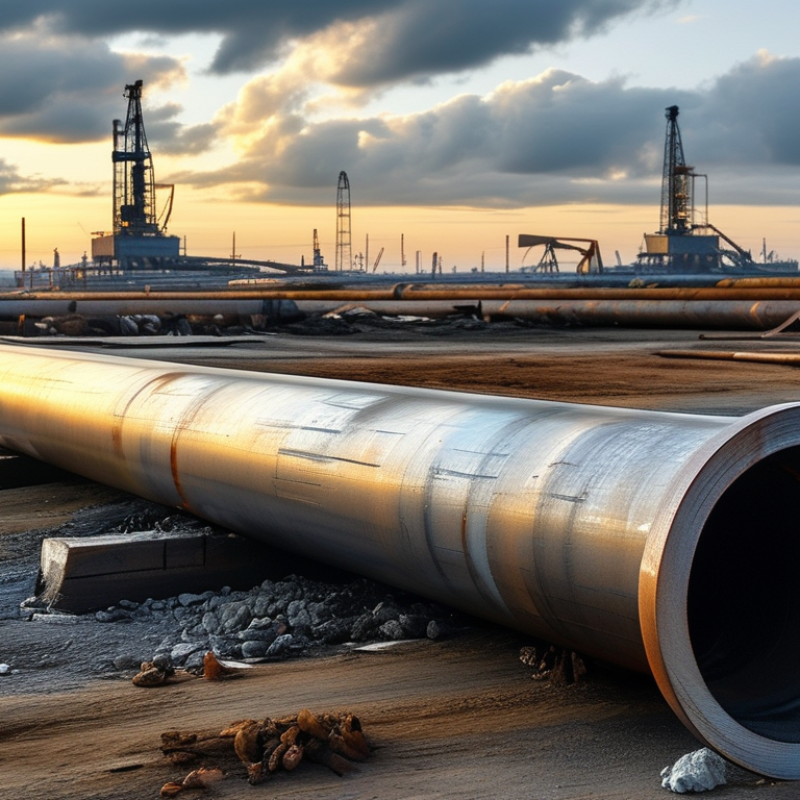
Alloy steel pipes are increasingly favored in industrial applications due to their impressive mechanical properties and versatility. These pipes boast strength and durability, making them ideal for high-stress environments. According to a report from the American Society of Mechanical Engineers (ASME), alloy steel pipes can withstand extreme temperatures and pressures, proving crucial in sectors like oil and gas.
The benefits of alloy steel pipes extend beyond mere strength. They exhibit excellent corrosion resistance when alloyed with elements like chromium and nickel. This property is essential for areas exposed to harsh chemicals or moisture. Data from the Steel Pipe Institute indicates that alloy pipes last significantly longer than standard carbon steel options, often leading to reduced maintenance costs and downtime.
Tip: When selecting alloy steel pipes, consider the environmental conditions they will face. This helps ensure you choose the right alloy composition for maximum performance. Additionally, review the manufacturer’s specifications to confirm their adherence to industry standards.
Still, not all applications benefit equally from alloy steel. Some projects might reveal unexpected issues, like cost overruns due to higher initial prices. Delving deeper into your specific needs can prevent future complications. Balancing cost and performance remains key.
When choosing piping materials, alloy steel pipes stand out in multiple applications. They combine strength and toughness, which makes them ideal in high-pressure environments. According to a recent industry report by the American Institute of Steel Construction (AISC), alloy steel pipes can withstand temperatures up to 1,200°F, surpassing many other materials such as PVC or carbon steel. This unique property increases reliability in critical projects like energy production and chemical processing.
However, alloy steel does have its challenges. It is heavier than alternatives and more expensive to manufacture. A trade-off exists between cost and durability. While low-carbon steel may suffice for non-critical applications, it can lead to failures under extreme conditions. Without careful analysis, projects can face unexpected maintenance costs.
Tips: Always consider the environment where the pipes will be used. Know your project's temperature and pressure requirements before making a selection. Additionally, ensure proper corrosion protection, as alloy steel may corrode in aggressive conditions. Exploring options like coatings can mitigate these risks.
| Pipe Material | Tensile Strength (MPa) | Corrosion Resistance | Cost ($/meter) | Applications |
|---|---|---|---|---|
| Alloy Steel | 700 | Moderate | 50 | Oil & Gas, Power Generation |
| Carbon Steel | 500 | Low | 30 | Construction, Water Supply |
| Stainless Steel | 600 | High | 100 | Food Industry, Chemical Processing |
| PVC | 50 | Moderate | 10 | Drainage, Irrigation |
When considering alloy steel pipe for your project, several critical factors need evaluation. One of the key aspects is the mechanical properties. Alloy steel pipes often offer superior tensile strength and impact resistance. According to the American Institute of Steel Construction, these materials can withstand high pressures, making them ideal for various applications such as oil and gas transportation.
Another vital consideration is the chemical composition of the alloy. Elements like chromium and molybdenum enhance corrosion resistance. This is crucial for projects subjected to harsh environments. A 2022 study by the Steel Pipe Institute reported that the longevity of alloy steel pipes in corrosive conditions can be up to five times greater than that of standard carbon steel pipes.
Tips: Always assess the specific requirements of your project. Calculate expected stress levels and the environment. Additionally, consult industry standards and certifications to ensure compliance. Remember, even minor flaws in selection might lead to costly repairs later. Hence, thorough research and expert advice play an essential role in choosing the right material.
Alloy steel pipes are used in many industries due to their strength and versatility. In the oil and gas sector, they are vital for transporting hydrocarbons. These pipes can withstand high pressures and temperatures, ensuring safe operations. They help reduce the risk of leaks and failures, which could be costly. In power generation, alloys are critical for piping systems that deal with steam and high-heat environments.
Construction projects also benefit from alloy steel pipes. They are used in structural applications where durability is essential. Bridges and buildings require materials that endure stress and weather conditions. Alloy steel pipes provide the resilience needed for these applications. However, the sourcing of raw materials can sometimes affect their availability. This variability can lead to project delays if not managed properly.
Another area where alloy steel pipes shine is in the automotive industry. They contribute to the manufacturing of essential components like exhaust systems. These applications require materials that resist corrosion and high temperatures. Yet, the balance between cost and performance must be carefully considered. This is especially true when selecting the right pipe for specific projects. Each application presents unique challenges that demand expert knowledge and careful planning.
Alloy steel pipes are known for their impressive durability and strength. These pipes can withstand extreme pressure and temperature fluctuations. This makes them ideal for various industrial applications, such as oil and gas, power generation, and manufacturing. Their ability to resist wear and corrosion contributes significantly to their longevity.
Maintaining alloy steel pipe systems requires regular inspections and prompt repairs. Operators should look for signs of wear or fatigue. Corrosion can still occur, especially in harsh environments. Therefore, a proactive maintenance plan is essential. This not only enhances the pipe's lifespan but also ensures operational efficiency.
Environmental factors can impact the effectiveness of alloy steel pipes over time. Factors such as humidity and chemical exposure must be monitored closely. In some cases, unexpected failures might arise despite rigorous maintenance. Understanding these risks helps in planning better for project longevity. Emphasizing quality in both material choice and upkeep is crucial for maximizing the benefits of alloy steel systems.
: Alloy steel pipes offer strength and toughness. They withstand high temperatures and pressures, making them reliable for critical projects.
Alloy steel pipes are heavier and more expensive to manufacture. This can impact project budgets and timelines.
Knowing the operating environment helps to ensure safety and efficiency. Incorrect selection can lead to failures and costly maintenance.
They are vital for transporting hydrocarbons and can handle high pressures, reducing the risk of leaks and failures.
They provide durability in structural applications, ensuring bridges and buildings withstand stress and weather conditions.
Availability may depend on the sourcing of raw materials. Poor management can lead to project delays.
They are essential for manufacturing components like exhaust systems, requiring resistance to corrosion and high temperatures.
Yes, while alloy steel is durable, it may not be cost-effective for all applications. Careful planning is crucial.
Yes, they may corrode in aggressive conditions. Proper corrosion protection strategies, like coatings, are necessary.
Consider environmental factors, project requirements, and cost versus performance to avoid unexpected challenges.
Alloy Steel Pipe is increasingly favored in industrial applications due to its exceptional strength, durability, and resistance to corrosion and high temperatures. In a comparative analysis, alloy steel demonstrates significant advantages over other pipe materials such as carbon steel and plastic, especially in demanding environments. When selecting Alloy Steel Pipe, factors such as thickness, composition, and specific application requirements should be carefully considered to ensure optimal performance.
Applications of Alloy Steel Pipe span across various industries, including oil and gas, construction, and manufacturing, where reliability is crucial. Furthermore, the maintenance and longevity of alloy steel systems highlight their cost-effectiveness over time, making them a practical choice for long-term projects. Overall, the benefits of using Alloy Steel Pipe in industrial applications position it as a top option for engineers and project planners alike.

Kerlimar