In 2026, sourcing high-quality Seamless Carbon Steel Pipe will be crucial for various industries. Industry expert Dr. James Carter notes, "The key lies in understanding market trends and reliable suppliers." His insights reflect the importance of strategic sourcing in today's competitive environment.
The seamless carbon steel pipe market is evolving rapidly. Technology and material advancements are shaping production techniques. Companies must stay ahead of these changes. They must identify and collaborate with trusted manufacturers.
Considering the complexities of the supply chain is necessary. Market fluctuations can impact availability and pricing. Therefore, thorough research is essential. Buyers should evaluate suppliers based on quality, reputation, and delivery timelines. This approach ensures a steady supply of seamless carbon steel pipes that meet industry standards.
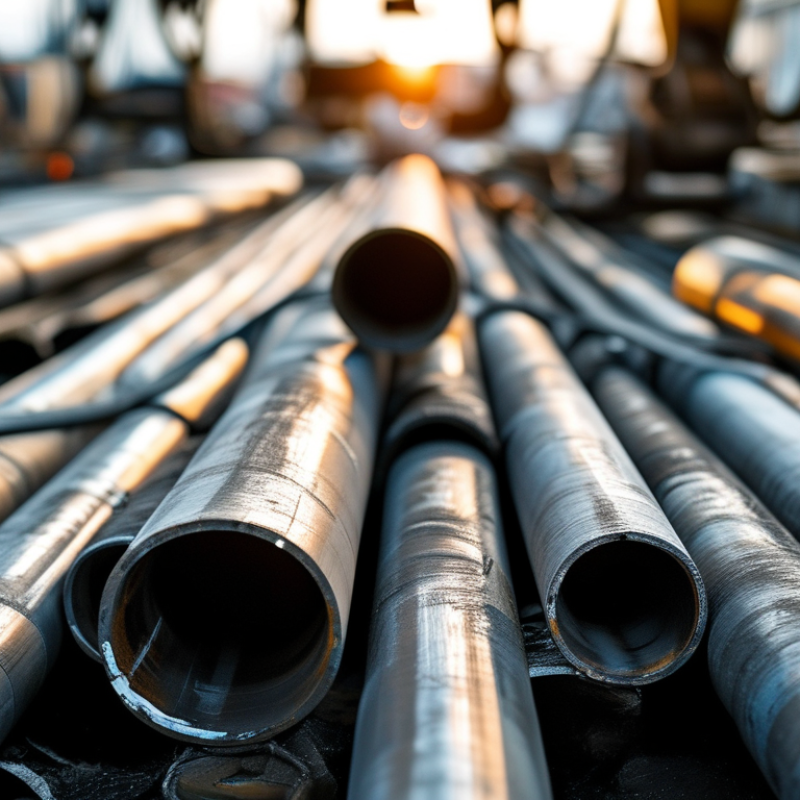
When sourcing seamless carbon steel pipes, understanding specifications is crucial. Seamless pipes are produced without welding, which enhances strength. This makes them ideal for high-pressure applications. Key specifications include material grade, diameter, and wall thickness. These factors significantly influence the pipe's performance and suitability for specific tasks.
Material grades like ASTM A106 and A53 are commonly referenced. Each grade has unique properties that determine its application in various industries. The diameter range affects flow rates. Similarly, wall thickness impacts the overall strength. Knowing the right specifications is essential for making informed decisions.
However, the sourcing process is not always clear-cut. Variations in quality control and manufacturing standards can affect pipe integrity. It's vital to vet suppliers thoroughly. Requesting certifications can ensure compliance with standards. Engaging experts in the sourcing process can also mitigate risks. Understanding these nuances can lead to better sourcing outcomes.
| Specification | Description | Standard | Typical Applications |
|---|---|---|---|
| ASTM A106 | Seamless carbon steel pipe for high-temperature service | ASTM | Oil and gas transmission, power plants |
| ASTM A53 | Seamless and welded black and hot-dipped galvanized steel pipe | ASTM | Structural purposes, transmission of water and gas |
| API 5L | Pipes for the transmission of oil and gas | API | Petroleum industry, natural gas pipelines |
| EN 10210 | Hot-finished structural hollow sections of non-alloy and fine grain steels | EN | Construction, engineering applications |
| DIN 17175 | Seamless tubes for heated pipes | DIN | Power plants, chemical processing |
: Seamless pipes are made without welding. This design enhances strength. They are ideal for high-pressure uses.
Key specifications include material grade, diameter, and wall thickness. These factors affect performance.
Different grades, like ASTM A106 and A53, have unique properties. They determine the pipe's application in industries.
Diameter influences flow rates. A larger diameter can handle more fluid, which is crucial for certain applications.
Consider purchase price, transportation, and handling. Always keep a buffer for unforeseen costs in your budget.
Negotiating helps secure better prices and terms. Building relationships with suppliers can lead to further advantages.
Procurement teams often underestimate operational costs. Regular budget reviews help adjust expectations and stay on track.
The market is expected to grow due to demand. Prices may fluctuate between $800 to $1,200 per ton.
Companies often underestimate logistics costs. This can impact nearly 20% of the total budget.
Regularly review and adjust budgets based on market trends. Monthly updates help avoid financial shocks.
The article "How to Source Seamless Carbon Steel Pipe in 2026?" provides a comprehensive guide for sourcing seamless carbon steel pipes effectively. It begins by detailing the important specifications to consider, ensuring buyers have a clear understanding of the necessary standards. Identifying reliable suppliers is crucial, and the article highlights strategies to assess potential partners and establish trustworthy relationships.
Furthermore, the article evaluates the quality standards in carbon steel pipe manufacturing, emphasizing the significance of product integrity and safety. It discusses navigating global markets, offering insights into sourcing from various regions while considering logistical factors. Lastly, a cost analysis is presented, advising on budgeting effectively for seamless carbon steel pipe purchases. This guide aims to equip stakeholders with the knowledge necessary for successful sourcing decisions in a competitive landscape.

 Kerlimar