Stainless Steel Pipe is a crucial material in various industries across the globe. Known for its durability and resistance to corrosion, it plays a vital role in construction, plumbing, and manufacturing. This versatile product comes in different sizes and grades, making it suitable for a wide range of applications.
In the construction sector, Stainless Steel Pipe is widely used for structural support and piping systems. Its strength ensures safety and reliability, especially in high-stress environments. In plumbing, it is favored for its hygiene properties and longevity, outperforming traditional materials.
However, despite its advantages, some challenges exist. The cost of Stainless Steel Pipe can be higher than other options, potentially limiting its use in budget-sensitive projects. Additionally, proper installation and maintenance are critical to avoid issues such as leaks or corrosion over time. Understanding both the benefits and drawbacks is essential for making informed choices in material selection.
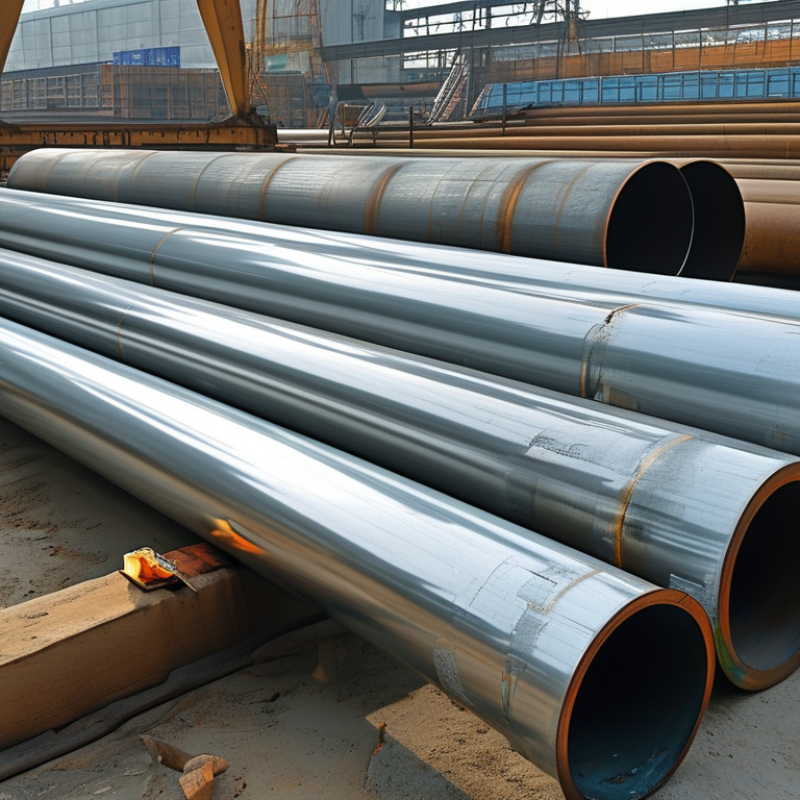
What is Stainless Steel Pipe?
Stainless steel pipe is a versatile material, widely used in various industries for its excellent properties. It resists corrosion and oxidation, making it suitable for harsh environments. These pipes age gracefully, maintaining structural integrity over time. Their strength allows them to handle high pressures, making them ideal for plumbing and industrial applications.
When choosing stainless steel pipes, consider the grade and finish. Different environments may require specific grades to ensure longevity. For instance, 304 stainless steel is popular for its corrosion resistance, while 316 offers even better protection in marine settings.
Tips: Always verify the specifications based on your application needs. Check for certifications that ensure the pipes meet industry standards. It’s crucial to consult with professionals when selecting the right type of stainless steel pipe. Each application comes with its unique challenges, and ensuring the right choice can save time and costs in the long run.
Characteristics and Properties of Stainless Steel Pipe
Stainless steel pipes are essential in various industries due to their distinctive characteristics. They are known for their excellent resistance to corrosion. This makes them suitable for environments exposed to moisture and chemicals. Their structure allows for flexibility in design and application. They can handle high pressure and extreme temperatures, ensuring durability.
Moreover, stainless steel pipes are easy to clean and maintain. This property is vital in sanitary applications, such as food and beverage processing. The smooth surface reduces the risk of bacterial growth. However, the cost can be higher compared to other materials. Not all stainless steel types are suitable for every application. It is important to choose the right grade for specific needs.
Another significant aspect is their aesthetic appeal. They can enhance the appearance of both functional and decorative applications. Although they are widely used, many still overlook their benefits. Understanding the specific properties of different stainless steel grades is crucial. This knowledge helps maximize their potential use in various industries, from construction to pharmaceuticals.
Common Types of Stainless Steel Pipes Used Globally
Stainless steel pipes are essential in various industries due to their corrosion resistance and durability. Common types include seamless, welded, and rectangular pipes. According to a report by Grand View Research, the global stainless steel pipe market was valued at over $8 billion in 2022. This figure demonstrates the increasing reliance on stainless steel in construction and manufacturing.
Seamless pipes are popular for their strength and lack of joints. They are often used in high-pressure applications, such as oil and gas extraction. On the other hand, welded pipes are typically more affordable and convenient for projects requiring long lengths. The choice between these types often depends on the specific demands of the application.
In recent years, the construction industry has seen a shift towards environmentally friendly materials. Stainless steel is often lauded for its recyclability. A study by the International Stainless Steel Forum indicates that up to 90% of stainless steel can be recycled. However, the production process still has environmental impacts worth considering. Overall, understanding the various types of stainless steel pipes can inform better choices in construction and manufacturing.
What is Stainless Steel Pipe and Its Uses Worldwide? - Common Types of Stainless Steel Pipes Used Globally
| Type of Stainless Steel Pipe |
Material Grade |
Common Uses |
Diameter Range (inches) |
Key Characteristics |
| Welded Stainless Steel Pipe |
304, 316 |
Construction, Plumbing |
0.5 - 12 |
Corrosion resistance, Versatile |
| Seamless Stainless Steel Pipe |
321, 316L |
Oil and Gas, Chemical industries |
1 - 24 |
Strength, No welds |
| Duplex Stainless Steel Pipe |
2205, 2507 |
Marine Applications, Pulp and Paper |
0.5 - 24 |
High durability, Stress corrosion resistant |
| Thin-Walled Stainless Steel Pipe |
304L, 316 |
Exhaust systems, Automotive |
0.25 - 3 |
Lightweight, Heat resistance |
| Stainless Steel Pipe Fittings |
316, 304 |
Pipe connections, Changing directions |
0.5 - 6 |
Versatile, Easy to install |
Applications of Stainless Steel Pipe in Various Industries
Stainless steel pipes are widely used across various industries due to their strength, durability, and resistance to corrosion. According to a recent market research report by Grand View Research, the global stainless steel pipe market was valued at approximately $16 billion in 2021 and is expected to expand at a compound annual growth rate of over 6% through 2030. This growth reflects the increasing demand for stainless steel in construction, automotive, and energy sectors.
In the construction industry, stainless steel pipes play a crucial role in plumbing and infrastructure. They are favored for their longevity and ability to withstand extreme weather conditions. In the oil and gas sector, these pipes are critical for transporting fluids safely. A study by the American Society of Mechanical Engineers indicates that the use of stainless steel can reduce maintenance costs by up to 30%. However, challenges remain, such as the high initial cost compared to other materials and the need for skilled labor to handle installation.
The food and beverage industry also benefits from stainless steel pipes. Their non-reactive properties make them ideal for food processing and dairy applications. According to the International Stainless Steel Forum, approximately 5% of the stainless steel produced is used in food applications. Despite their advantages, manufacturers must continue to innovate. This includes finding ways to address issues like environmental impact and supply chain disruptions.
Applications of Stainless Steel Pipe in Various Industries
Advantages of Using Stainless Steel Pipes Over Other Materials
Stainless steel pipes have become crucial in various industries worldwide. Their strength, durability, and resistance to corrosion make them ideal for many applications. Unlike plastic or carbon steel, stainless steel pipes maintain structural integrity in harsh environments. This property is particularly valuable in the chemical and food processing industries.
One significant advantage of stainless steel pipes is their long lifespan. They are less likely to rust and can withstand extreme temperatures. This reliability reduces maintenance costs over time. Additionally, stainless steel is recyclable, making it a more environmentally friendly choice. The ease of installation and the ability to handle high pressure are also notable benefits.
Tips for choosing stainless steel pipes include assessing your specific needs. Consider the operating temperature and pressure requirements. Not all grades of stainless steel are the same. It is essential to select the right type for your application. Regular inspections can help identify any potential issues early, ensuring safety and efficiency in operations.
FAQS
: Stainless steel pipe is a versatile material known for its strength and resistance to corrosion.
They maintain structural integrity over time and resist oxidation in harsh environments.
Consider the grade and finish based on your specific application and environmental needs.
304 stainless steel is popular for general applications, offering good corrosion resistance.
Yes, their non-reactive properties make them ideal for food and beverage applications.
High initial costs and the need for skilled labor for installation can be challenging.
Stainless steel is recyclable, making it a more sustainable choice than many alternatives.
They generally have a long lifespan and resist rust, leading to lower maintenance costs.
The initial investment can be higher than other materials, which may cause hesitation.
Regular inspections help identify potential issues early, promoting safety and efficiency.
Conclusion
Stainless Steel Pipe is a versatile and durable product widely used across various industries due to its excellent corrosion resistance and mechanical properties. The characteristics of stainless steel pipes include high strength, aesthetic appeal, and the ability to withstand extreme temperatures, making them suitable for demanding environments. Commonly used types include seamless and welded pipes, which cater to different requirements in construction, manufacturing, and fluid transportation.
The applications of Stainless Steel Pipe span from the food and beverage industry to oil and gas, proving essential in systems that require hygiene and longevity. The advantages of using stainless steel pipes over other materials, such as carbon steel or plastic, lie in their superior lifespan and lower maintenance costs. Overall, the global demand for stainless steel pipes continues to grow, highlighting their significance in modern engineering and industry.

 Kerlimar