The demand for Seamless Alloy Steel Pipe has surged globally due to their strength and durability. Industry reports indicate that the seamless steel pipe market is projected to reach $50 billion by 2026. This growth is driven by increased use in industries such as oil and gas, construction, and automotive. These sectors require high-performance materials that can withstand extreme conditions.
Seamless Alloy Steel Pipes offer numerous advantages, including corrosion resistance and high tensile strength. These properties make them suitable for high-pressure applications. However, not all products on the market meet the required standards. Selecting the right supplier is essential for ensuring quality and performance.
Buyers should consider factors such as material grade and manufacturing process when evaluating options. While many suppliers claim to offer top-grade products, not all deliver on these promises. Making informed purchasing decisions is vital. Understanding the nuances of different alloys and their applications can help buyers avoid pitfalls in their procurement process.
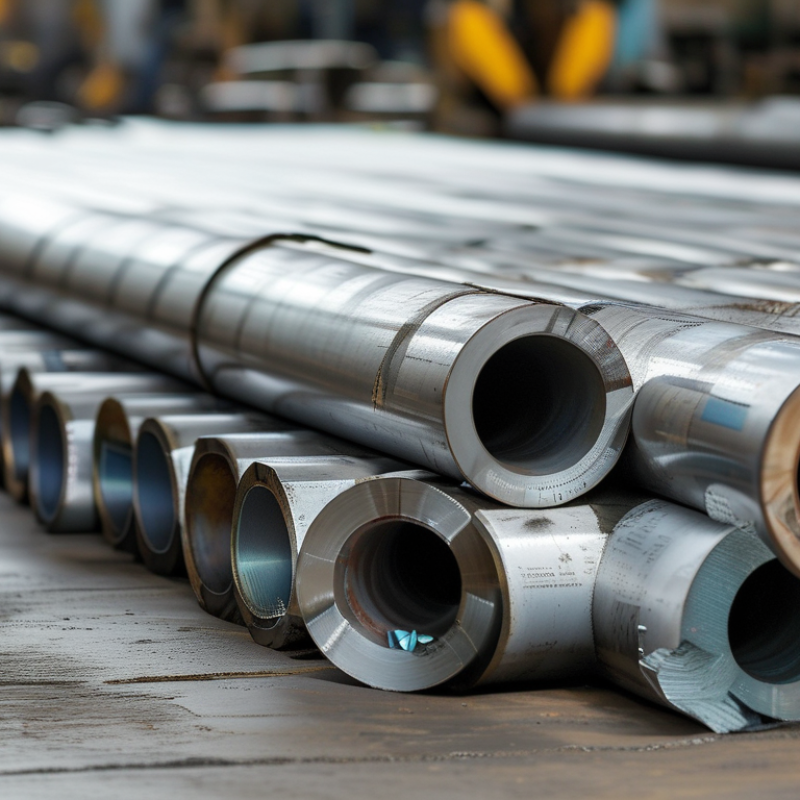
Seamless alloy steel pipes are essential in various industries. These pipes are known for their strength and resilience. They are often used in oil and gas, power generation, and construction. The absence of joints enhances their integrity under high pressure. This is why engineers prefer them for critical applications.
One key application is in the oil and gas sector. These pipes transport liquids and gases efficiently. They withstand extreme temperatures and harsh environments. However, maintaining them remains a challenge. Corrosion and wear can occur over time. Regular inspections and proper coatings can help extend their lifespan.
In construction, seamless alloy steel pipes support structural frameworks. They offer reliability and durability in buildings and bridges. Yet, the choice of the right pipe size and grade is crucial. Miscalculating these factors can lead to structural failures. Therefore, understanding material specifications is vital for safe construction practices.
When selecting seamless alloy steel pipes, buyers face numerous options. Key criteria can help ensure the best choices are made.
The material composition is critical. Look for pipes with specific alloying elements like chromium, molybdenum, or nickel. These enhance corrosion resistance and strength. According to the World Steel Association, alloy pipelines can withstand extreme conditions, making them suitable for various applications.
Another aspect to consider is the manufacturing process. High-quality pipes are often produced using processes like hot hollow forming or cold drawing. These methods enhance mechanical properties. A recent industry report indicated that about 30% of seamless pipes fail due to poor manufacturing practices.
Tip: Always check for reliable certifications and industry standards when reviewing options. This helps ensure quality and compliance.
Another criterion includes dimensional accuracy and surface finish. Smooth surfaces reduce friction and improve flow efficiency. Research shows that even minor imperfections can affect performance. It’s essential to balance cost with quality.
Tip: Don’t overlook supplier reputation; it provides insight into reliability. Engage with peers and seek feedback on potential suppliers. This collective wisdom can guide better decisions.
In the global marketplace, seamless alloy steel pipes are in high demand. These pipes are valued for their strength and corrosion resistance. Many manufacturers excel in producing high-quality options. Countries like China, Japan, and the USA are known for their advanced technology in steel production. Their expertise ensures that buyers receive reliable products.
Tips: Always verify the manufacturing standards before making a purchase. Check if the products meet international quality certifications. This can prevent future issues with performance.
While many suppliers can offer competitive prices, some may not maintain consistent quality. Conduct thorough research to ensure the reliability of potential manufacturers. Look for those with a proven track record.
Connecting with industry experts can also be beneficial. They can provide insights into the best materials for specific applications. A knowledgeable source can direct buyers toward efficient solutions. Balancing cost and quality is crucial. This reflection on product selection can lead to long-term satisfaction.
When evaluating seamless alloy steel pipes, global buyers face numerous options. Key specifications significantly influence performance and suitability in various applications. According to the World Steel Association, seamless pipes account for about 70% of global alloy steel pipe production. This data underscores their importance in the market.
One critical aspect to consider is the material composition. Alloying elements like nickel and chromium enhance mechanical properties. Research indicates that pipes with higher nickel content often show better resistance to corrosion. However, this can lead to increased costs, complicating value assessments.
Tips: Opt for a comprehensive material analysis when selecting pipes. Understanding the balance between strength and ductility is vital, especially for high-stress applications. Additionally, be aware of potential trade-offs, such as increased weight or reduced flexibility with certain alloys. Always prioritize suppliers who provide transparent testing data to ensure reliability.
| Option | Diameter (mm) | Wall Thickness (mm) | Material Grade | Applications | Heat Treatment |
|---|---|---|---|---|---|
| Option 1 | 50 | 5 | A335 P22 | Power Plants, Oil Refineries | Normalized |
| Option 2 | 60 | 6 | A335 P91 | Boiler Applications, High-Temperature Service | Tempered |
| Option 3 | 80 | 7 | A331 | Shipbuilding, Marine Applications | Quenched and Tempered |
| Option 4 | 90 | 5 | A335 P5 | Chemical Processing | Stress Relieved |
| Option 5 | 100 | 8 | A335 P11 | High Pressure Services | Annealed |
The future of seamless alloy steel pipe production is evolving rapidly. Innovations in manufacturing techniques are at the forefront. Advanced technologies like 3D printing and automation aim to enhance precision and efficiency. The integration of smart manufacturing systems is also gaining traction. These systems allow for real-time monitoring, reducing waste and improving quality control.
Quality and safety are paramount in production processes. As global demand increases, ensuring the integrity of pipes is crucial. Companies are investing in comprehensive testing methods. Non-destructive testing, for example, ensures that every pipe meets stringent standards. Buyers should prioritize suppliers that adopt these innovative practices.
Tips for global buyers: Evaluate suppliers on their production certifications and quality control measures. Understanding the latest technologies can help in making informed decisions. Additionally, remain aware of the market trends influencing prices and availability. Continuous research and supplier assessment can lead to more strategic purchasing.
: They are valued for their strength and corrosion resistance.
China, Japan, and the USA are known for their advanced technology.
Always check if products meet international quality certifications.
Some suppliers may not maintain consistent quality, affecting reliability.
They provide insights into the best materials for specific applications.
Key specifications, including material composition and alloying elements, are significant.
It often shows better corrosion resistance but may increase costs.
Look for suppliers who provide transparent testing data on their products.
It helps balance strength and ductility, vital for high-stress applications.
Increased weight or reduced flexibility may occur with certain alloys.
The article "Top 5 Seamless Alloy Steel Pipe Options for Global Buyers" explores the essential aspects of seamless alloy steel pipes, emphasizing their diverse applications across industries such as construction, oil and gas, and manufacturing. Understanding the characteristics and benefits of these pipes is critical for making informed purchasing decisions, as they offer advantages like enhanced strength and corrosion resistance.
To guide buyers, the article outlines key criteria for selecting the best seamless alloy steel piping options, including material quality, dimensional accuracy, and compliance with international standards. It also provides a comparative analysis of leading manufacturers in the market, highlighting trends and innovations shaping the future of seamless alloy steel pipe production. As technology advances, the seamless alloy steel pipe sector is set to evolve, promising improved performance and sustainability in manufacturing processes.

Kerlimar