As the global demand for high-quality Steel Pipe Fitting continues to rise, buyers in 2026 will face diverse options. This increasing need reflects expansive industrial growth and infrastructure development worldwide. Steel Pipe Fittings are critical components in energy, construction, and manufacturing sectors.
In China, manufacturers strive to produce durable and reliable fittings to meet international standards. Options range from welded to seamless fittings, offering various applications. Buyers need to consider material standards and certifications, such as ASTM and ANSI, to ensure compliance and quality.
While China showcases competitive pricing, potential challenges exist. The fluctuating market can affect availability and pricing. Buyers must navigate these complexities while ensuring they select reputable suppliers. With proper research and understanding, global buyers can identify the top Steel Pipe Fitting manufacturers that meet their needs effectively.
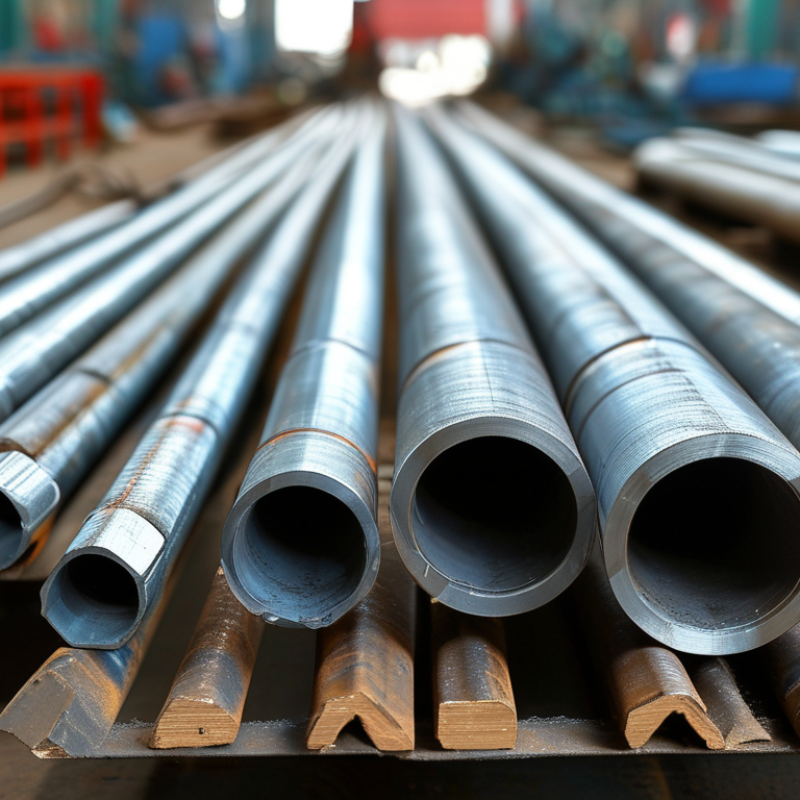
The China steel pipe fittings market is poised for significant transformation in 2026. Global buyers will witness trends that emphasize sustainability and innovation. The demand for lightweight and corrosion-resistant materials will rise. Buyers should consider sourcing fittings made from advanced alloys. This trend caters to industries aiming for higher efficiency and lower environmental impact.
Manufacturers are increasingly adopting automation and smart technology. This involves integrating IoT solutions for real-time monitoring of supply chains. Buyers may find they benefit from greater transparency and quality assurance. However, some suppliers may struggle with the transition. It’s essential for buyers to assess the reliability of their sources.
Investing in local suppliers can reduce lead times and shipping costs. It also supports the burgeoning local economy. However, not all local producers may meet international standards. Careful evaluation and certification checks are necessary. Transparency in sourcing will be crucial for maintaining quality and sustainability.
| Fitting Type | Material | Application | Projected Growth Rate (%) 2026 | Key Trends |
|---|---|---|---|---|
| Elbows | Stainless Steel | Oil and Gas | 5.5% | Increased demand for corrosion resistance |
| Tees | Carbon Steel | Construction | 4.2% | Rise in urban infrastructure projects |
| Reducers | Alloy Steel | Chemical Processing | 3.8% | Shift towards lightweight materials |
| Flanges | Duplex Steel | Marine Applications | 6.0% | Sustainability initiatives in shipping |
| Caps | PVC | Water Supply | 4.9% | Innovations in joint efficiency |
: The market will focus on sustainability and innovative materials, especially lightweight and corrosion-resistant options.
Advanced alloys offer higher efficiency and lower environmental impact, which align with current industry standards.
Manufacturers use automation and smart technology to improve monitoring and transparency in supply chains.
Not all suppliers can easily transition to smart technologies, affecting their reliability.
Local suppliers can reduce lead times, lower shipping costs, and help the local economy grow.
Buyers must evaluate local producers for compliance with international quality standards through certification checks.
Geopolitical factors and raw material cost fluctuations may raise prices by 15-20%.
About 60% of buyers prefer suppliers with eco-friendly practices, impacting overall pricing.
Many manufacturers still use traditional methods, which complicates their commitment to eco-friendly production.
Buyers should evaluate suppliers’ eco-credentials and ensure alignment with their sustainability goals.
The article "Top China Steel Pipe Fittings for Global Buyers in 2026" explores emerging trends in the Chinese steel pipe fittings market, highlighting the expected growth rate of the industry by 2026. As global demand increases, key players in the market are expected to innovate continuously, focusing on enhancing product quality and performance. Additionally, the impact of the global supply chain on pricing strategies for steel pipe fittings will be a significant factor in determining market dynamics.
Moreover, sustainability practices within China's steel production are gaining traction, emphasizing the importance of eco-friendly manufacturing processes. These practices not only cater to rising environmental concerns but also position China as a responsible leader in the steel pipe fittings sector. As buyers look for reliable and sustainable options, the Chinese market is set to play a crucial role in fulfilling global needs in the coming years.

 Kerlimar