Welded steel pipe plays a crucial role in various industries, particularly in construction and infrastructure. According to a recent report by MarketsandMarkets, the global welded steel pipe market is projected to reach $210 billion by 2025, reflecting its essential nature. Industry expert Dr. John Smith notes, “Welded steel pipes provide a reliable and cost-effective solution in modern construction.” This highlights the importance of welded steel pipes in meeting the demands of evolving projects.
The versatility of welded steel pipes extends beyond their structural uses. They are critical for transporting liquids and gases safely. Their durability allows for high-pressure applications, making them suitable in energy and utility sectors. However, quality control remains a challenge. Faulty welds can lead to significant failures, making proper manufacturing practices essential.
Welded steel pipes are also facing increased scrutiny regarding sustainability. As industries strive for greener solutions, the focus is on recycling and reducing waste. While advancements have been made, there is still room for improvement. Understanding the complexities and innovations in the welded steel pipe industry can foster better practices and reliability in future applications.
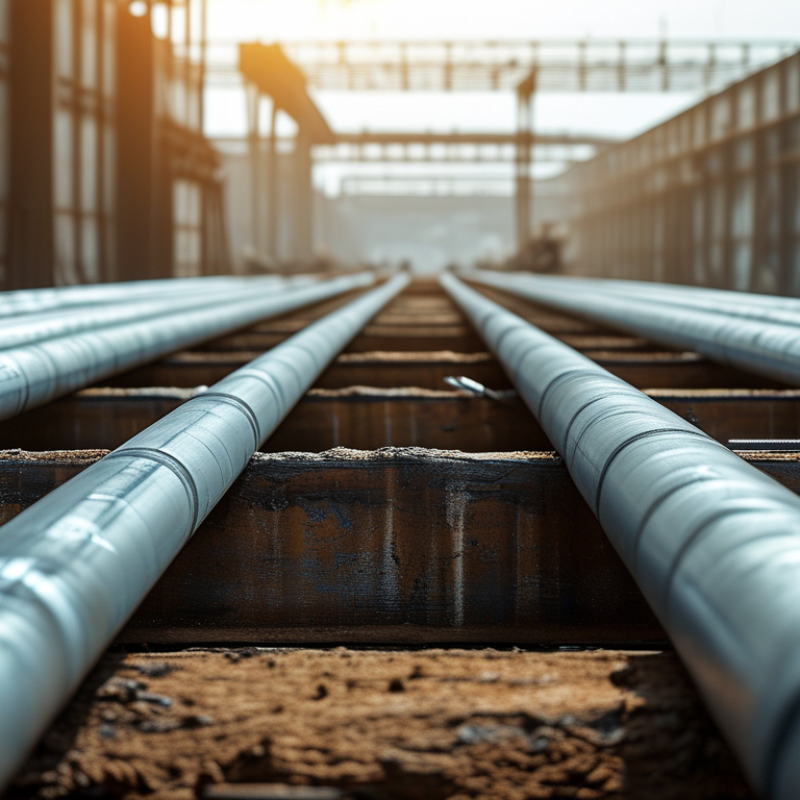
What is Welded Steel Pipe?
Welded steel pipe is an essential component in various industries. It is created by taking flat steel sheets and bending them into a cylindrical shape, then welding the edges together. This method ensures a strong bond, making the pipe suitable for many applications. Its manufacturing process is efficient and cost-effective, leading to widespread use in construction and infrastructure projects.
The properties of welded steel pipe contribute to its popularity. It is lightweight yet robust, allowing for easy handling and installation. Furthermore, its resistance to corrosion makes it an ideal choice for transporting liquids and gases. However, depending on the quality of the welding process, some pipes might exhibit weaknesses. This inconsistency in quality can lead to concerns over safety and integrity, especially in critical applications.
Welded steel pipe is commonly used in water supply systems, oil and gas pipelines, and structural applications. Builders appreciate its versatility and durability, eliminating the need for heavy materials. Yet, challenges arise in the field during installation. Misalignment during welding can produce defects that are hard to detect. Regular inspection is crucial to ensure the reliability of the welded joints in any project.
Types of Welded Steel Pipe and Their Characteristics
Welded steel pipes come in various types, each with unique characteristics suited for different applications. One common type is the ERW (Electrical Resistance Welded) pipe. This type of pipe is made by rolling steel plates and welding them along the seam. ERW pipes are often used in low-pressure applications, like water and gas distribution, due to their strength and resistance to corrosion.
Another notable type is the SAW (Submerged Arc Welded) pipe. These pipes are produced using a unique welding technique that involves submerged arc welding. They are typically larger in diameter and are ideal for transporting oil and gas over long distances. Their robust nature allows them to withstand extreme conditions, making them reliable for industrial uses.
Seamless pipes are also worth mentioning, although they differ from welded ones. These pipes lack a seam, which simplifies their production. They are often preferred in high-pressure environments. Nevertheless, seamless pipes can be more expensive. While welded pipes may have imperfections at the seam, they offer versatility and cost-effectiveness. Each type of welded steel pipe has its pros and cons, reflecting the varied needs of industries today.
Manufacturing Process of Welded Steel Pipe
Welded steel pipe is a crucial component in various industries. Understanding its manufacturing process provides insight into its applications. The production begins with flat steel sheets. These sheets are then heated and rolled into a cylindrical shape. The edges of the sheets are precisely aligned for the welding process.
During welding, intense heat fuses the edges, forming a strong bond. This method can vary, using techniques like arc welding or resistance welding. The choice of technique affects the pipe's strength and durability. After welding, the pipes undergo tests for pressure and structural integrity. These checks ensure they meet industry standards.
Tips: Choose the right thickness for your project. Thicker pipes handle higher pressures better. Always inspect weld quality before use. Look for any cracks or gaps. Proper inspections can prevent issues in the future.
Ideally, manufacturers prioritize quality controls, yet irregularities can occur. Occasionally, welded seams may not meet strict tolerances. It is essential to address these imperfections early. Employing skilled workers is vital to minimize errors in welding. Awareness of these factors leads to better overall safety in usage.
What is Welded Steel Pipe and How is it Used? - Manufacturing Process of Welded Steel Pipe
| Attributes |
Details |
| Material |
Steel |
| Manufacturing Process |
Welding (Longitudinal or Spiral) |
| Common Applications |
Oil and gas, water supply, construction |
| Pipe Diameter Range |
½ inch to 60 inches |
| Standard Specifications |
ASTM A53, ASTM A252 |
| Corrosion Resistance |
Galvanized or coated options available |
| Advantages |
Cost-effective, customizable lengths, strong performance |
| Disadvantages |
Welded joints can be weaker in some cases |
Applications of Welded Steel Pipe in Various Industries
Welded steel pipe is crucial in various industries. It finds major applications in construction, where it supports structural frameworks. The strength of welded steel pipe allows for robust building designs. Its versatility makes it ideal for projects ranging from simple housing to complex skyscrapers. Additionally, the oil and gas industry relies heavily on this material. Pipelines transport crude oil and natural gas efficiently, ensuring energy supply to many regions.
In manufacturing, welded steel pipe serves multiple purposes. Manufacturers often use it to create durable machinery and equipment. The material's resistance to corrosion is a significant advantage. It can endure harsh environments, enhancing longevity. However, welding quality can vary, leading to potential weaknesses in some pipes. Regular inspections are necessary to maintain safety standards. Overall, welded steel pipes showcase a blend of utility and durability across several sectors. They remain foundational components in modern infrastructure. As industries evolve, the demand for reliable welded steel pipe continues to grow.
Applications of Welded Steel Pipe in Various Industries
Advantages and Disadvantages of Using Welded Steel Pipe
Welded steel pipes are commonly used in construction and manufacturing. They are made by welding together steel plates or strips. This process creates strong and durable pipes, suitable for many applications. However, they come with both advantages and disadvantages.
One major advantage of welded steel pipes is their cost-effectiveness. They are typically cheaper to produce than seamless pipes. This reduces overall project costs. Additionally, they can be manufactured in various sizes and shapes, making them versatile for different uses. However, one should be cautious of their susceptibility to corrosion. Welded seams can lead to weak points over time, especially in harsh environments.
Tip: When selecting steel pipes, consider the environment they'll be used in. Corrosion-resistant coatings can enhance their lifespan.
On the downside, the quality of welded steel pipes can vary. Poor welding techniques may result in structural weaknesses. Regular inspections are essential to ensure reliability. Sometimes, welded pipes may require additional reinforcement for high-pressure applications.
Tip: Always check certifications and quality standards before purchasing welded steel pipes. Confirm that the manufacturer adheres to industry best practices.
Conclusion
Welded Steel Pipe is a type of pipe made by welding together steel plates or strips, which provides strength and flexibility for various applications. This pipe comes in several types, including longitudinal and spiral welded options, each with distinct characteristics suited for different uses. The manufacturing process involves rolling steel sheets into a cylindrical shape and then welding the edges, ensuring structural integrity and efficiency in production.
Welded Steel Pipe is widely used across various industries, including construction, oil and gas, and water supply, due to its ability to withstand high pressure and extreme weather conditions. However, it has both advantages, such as cost-effectiveness and ease of modification, and disadvantages, including susceptibility to corrosion and potential weld defects. Understanding these factors is crucial for selecting the right type of welded pipe for specific industrial needs.

 Kerlimar