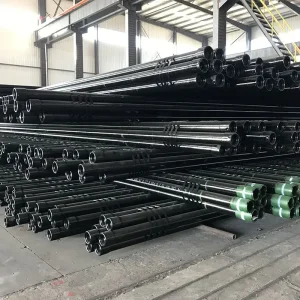
Explore our core product lines, featuring elite-grade piping, casing systems, custom welded fittings, and oilfield equipment manufactured in compliance with major global benchmarks.
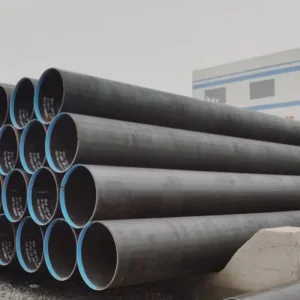
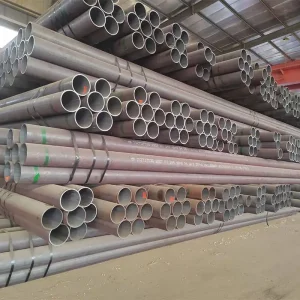
Deep dive into the fluid dynamics, mechanical properties, and metallurgical science behind industrial air intake systems.
Modern engine configurations, processing facilities, and high-performance industrial ventilation architectures demand reliable fluid dynamics. The air intake system serves as the first point of interaction between the outside environment and the interior combustion or processing chamber. Traditionally made of molded plastics, aluminum, or mild steels, air intake pipes are increasingly manufactured using high-grade stainless steel. This shift is driven by thermodynamic stability, structural durability under variable pressures, and resistance to environmental elements.
"In forced-induction combustion designs (such as turbocharged or supercharged networks), the air intake pipe is subjected to significant vacuum pressures, thermal radiation from the exhaust manifold, and internal pressure spikes. Traditional plastics degrade or distort, while aluminum faces heat soak vulnerabilities. Stainless steel remains structurally sound and retains low heat conductivity profiles under extreme operations."
Understanding why top-tier industrial buyers choose stainless steel requires evaluating its mechanical parameters alongside alternative metals and polymers:
| Mechanical Parameter | Austenitic Stainless Steel (304/316L) | T6-6061 Aluminum | Engineered HDPE Plastic |
|---|---|---|---|
| Tensile Strength (MPa) | 505 - 580 | 310 | 22 - 37 |
| Thermal Conductivity (W/m·K) | 16.2 (Low - Resists Heat Soak) | 167 (High - Vulnerable to Heat Soak) | 0.45 (Insulative but easily deformed) |
| Corrosion Resistance (Chloride/Acid) | Excellent (Especially 316L with Mo) | Moderate (Pitting in coastal air) | Good (Subject to thermal cracking) |
| Operating Temp Limit (°C) | Up to 870°C | Up to 150°C (Mechanical decay) | Up to 90°C (Softening) |
| Fatigue Resistance | Outstanding | Moderate (Subject to crack propagation) | Low (Prone to structural warping) |
From an aerodynamic standpoint, the inner surface finish of an intake pipe directly determines the laminar flow characteristics of the inlet air stream. Shaanxi Kerlimar Engineers Co., Ltd. applies internal pickling, electro-polishing, and precision mandrel bending techniques to ensure that our stainless steel air intake pipes maintain an inner roughness value (Ra) of < 0.8 µm. This minimal frictional coefficient curtails turbulent air layers next to the pipe wall, maintaining high air velocity and density. By preventing turbulent pressure drops, engines and turbochargers operate with higher volumetric efficiency, reducing thermal energy losses.
How regional conditions, environmental exposure, and operational demands dictate the selection of stainless steel intake pipes globally.
Performance tuning projects require high boost tolerances. Stainless steel air intake pipes are critical in maintaining shape under high engine vacuum/boost, preventing collapse, and minimizing heat transfer from hot engine bays (heat soak) to keep the incoming oxygen charge dense.
Marine vessels face constant exposure to salt-laden, moisture-heavy sea air. Aluminum intakes oxidize, and mild steels rust rapidly. Utilizing Grade 316L (molybdenum-alloyed) stainless steel air intake structures prevents pitting corrosion and ensures long-term operational uptime for offshore shipping.
In pharmaceutical manufacturing or chemical synthesis plants, the air entering cleanrooms or reactors must be free of particulate shedding and trace oxidation. Stainless steel air intake pipes do not flake, rust, or off-gas, maintaining air stream purity and meeting strict FDA/EHEDG cleanliness norms.
Industrial machinery deployed in open-pit mines, concrete processing yards, and dry deserts operates in high-particulate air zones. These settings require air intake networks that can withstand abrasive dust, physical impacts from flying debris, and constant vibration.
Precision-made stainless steel pipes offer the high impact strength needed to resist deformation from external hazards, and they do not crack under severe cyclic vibrations. Integrated with custom-welded sensor ports (for Mass Air Flow or Intake Air Temperature sensors), they maintain reliable structural connection integrity throughout their operational life.
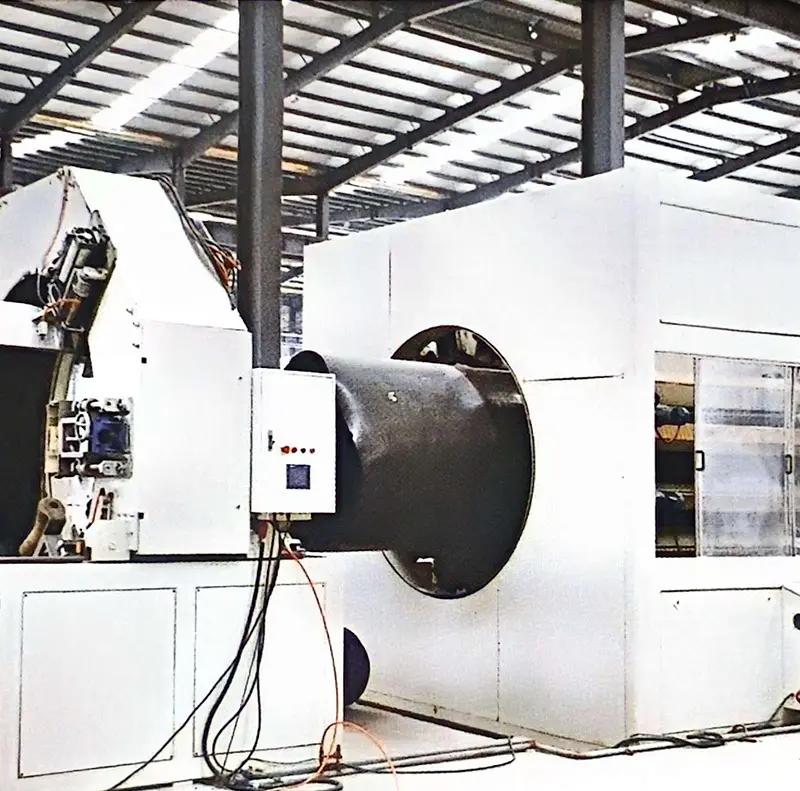
A rich history of international engineering trade, specialized manufacturing, and environmental technology innovation.
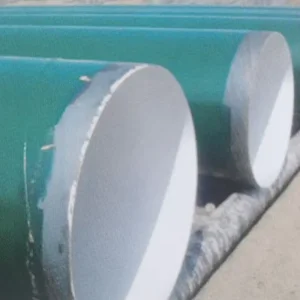
Established in 2003, Shaanxi Kerlimar Engineers Co., Ltd. has spent over two decades building its reputation in the international industrial piping and engineering trade sector. Our core focus spans the design, manufacture, and global export of high-grade carbon steel, alloy steel, and stainless steel pipe networks, straight seam welded systems, spiral welded piping, and high-performance complementary pipe fittings.
Our engineering practices strictly conform to globally recognized manufacturing standards, including ASTM, ASME, EN, and JIS, ensuring our systems integrate seamlessly into critical international infrastructure projects. Our team focuses on providing high-quality, competitive pricing, timely delivery, and dependable customer service.
Commitment to Global Standards: Our stainless steel tubing, casing, and air intake configurations undergo rigorous non-destructive testing (NDT), hydrostatic tests, and dimensional audits to verify they meet structural tolerances before shipment.
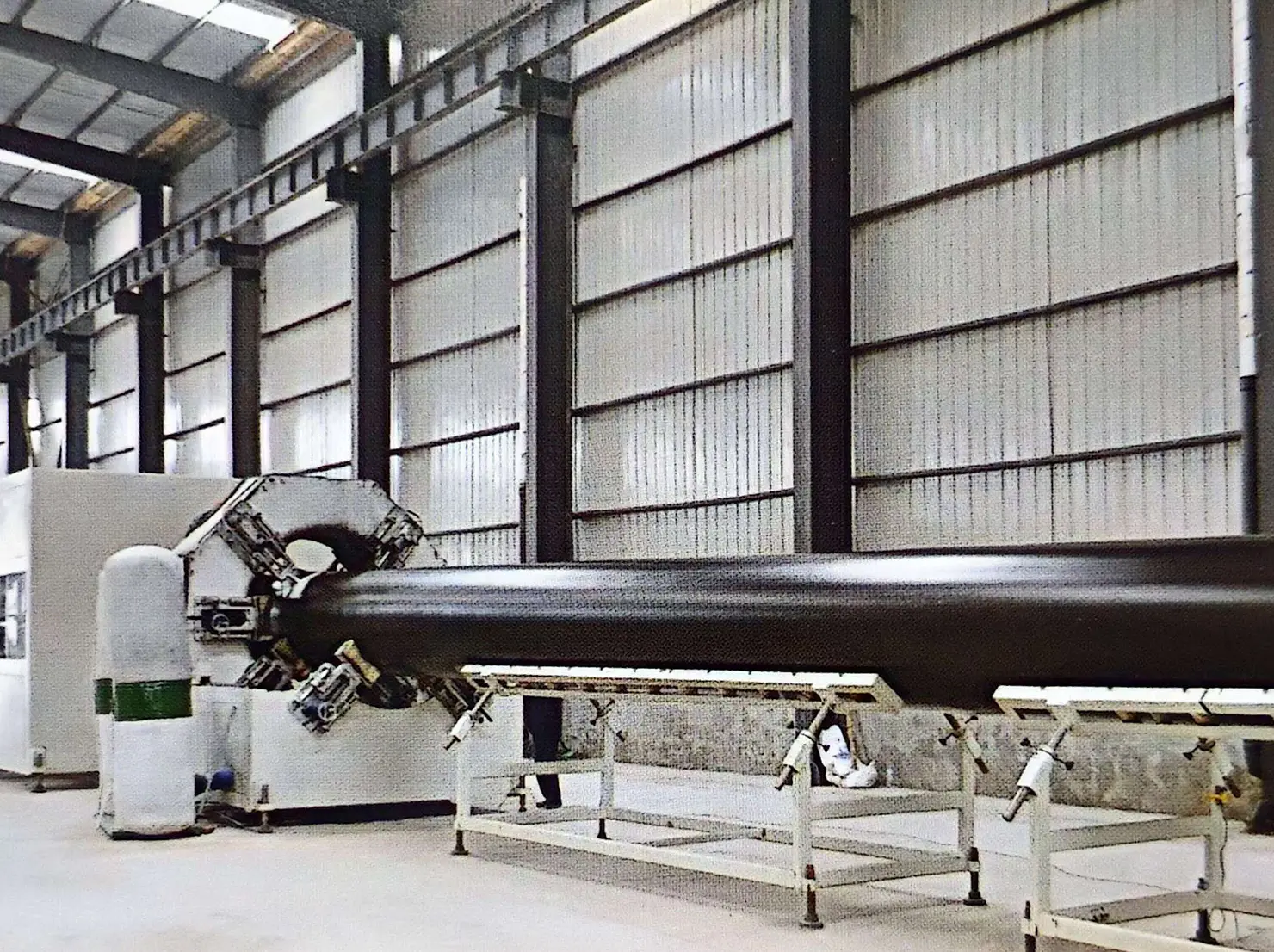
Led by environmentalist visionary Mr. Ming SUN, Kerlimar bridges the gap between high-strength metallurgy and ecological preservation.

Our chairman, Mr. Ming SUN, is an environmentalist and a proponent of technological innovation. Deeply concerned with global climate change and resource conservation, Mr. Sun has focused Shaanxi Kerlimar on clean-tech R&D alongside our core metallurgical operations.
Beginning in 2019, in alignment with global decarbonization trends, the company launched research initiatives into clean energy technology, focusing on vertical-axis wind turbine systems. Our goal is to address existing aerodynamic and structural limits in wind power, researching concepts like suspension systems, grid structures, rail magnetic levitation (maglev), land floating configurations, and advanced cabling networks.
This R&D track has produced over 40 patents authorized by the State Intellectual Property Office (SIPO), alongside a series of international patent filings. By researching low-friction, high-efficiency mechanical systems, Shaanxi Kerlimar applies these design insights back to our industrial fluid piping, resulting in smoother flow surfaces and lower-drag intake designs.
Our Tech Milestones & Regional Recognitions: In December 2020, we received the China National High-Tech Enterprise certification. In June 2021, we participated in the China-Finland High Technology Match Conference. In August 2022, we took part in the 11th China Innovation and Entrepreneurship Competition, receiving the Excellence Award. In December 2023, Kerlimar was invited to participate in the UN Climate Change Conference (COP28) in Dubai, reinforcing our commitment to sustainable industrial development.
We have completed development on our 10KW to 500KW small-scale vertical axis wind energy units. This technology provides high reliability, ease of control, and a low cost of entry. It is designed to assist remote and rural regions in achieving localized carbon-neutral goals, supporting the global objective of limiting temperature rise to within 1.5°C.
How Kerlimar anticipates the next generation of industrial fluid dynamics and intake piping technologies.
Historically, air intake design relied on trial-and-error fabrication. The current state of the art demands intensive CFD simulations. We model air intake velocities, pressure drop coordinates, and localized vortex formations. By identifying zones of boundary layer separation, our engineers adjust mandrel bending angles and expand internal pipe diameters dynamically, eliminating performance-reducing turbulence before manufacturing begins.
To support lightweighting initiatives in both automotive and portable machinery sectors, our technical roadmap prioritizes minimizing wall thickness without compromising structural strength. By utilizing cold-worked austenitic stainless steel with precise grain structures, we produce reliable intake pipes with wall thicknesses as low as 1.0 mm to 1.2 mm. These thin-wall designs provide weight parity with aluminum systems while maintaining the superior tensile and thermal profiles of stainless steel.
The industrial landscape is moving toward hydrogen internal combustion engines (HICE) and hybrid-electric heavy machinery. Hydrogen combustion requires highly precise fuel-to-air ratios, meaning the intake manifold and delivery tubes must remain free of chemical interference, moisture contamination, or static charges. Stainless steel, due to its low chemical reactivity and excellent electrical grounding properties, is well-suited for these new powertrain architectures. Kerlimar is actively testing intake designs optimized for hydrogen gas injection and dual-stage air compression systems.
Why sourcing from Chinese manufacturing centers offers cost-efficiency and reliable lead times.
Selecting a manufacturing partner involves assessing supply chain resilience and logistical capabilities. Sourcing stainless steel air intake systems from China, particularly through Shaanxi Kerlimar, offers several key advantages:
Technical and procurement answers to assist engineering and purchasing departments in their decision-making process.
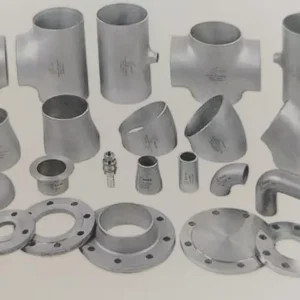
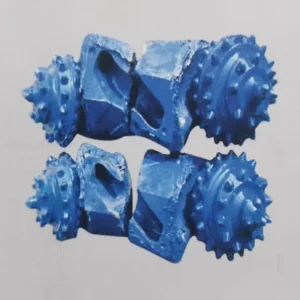
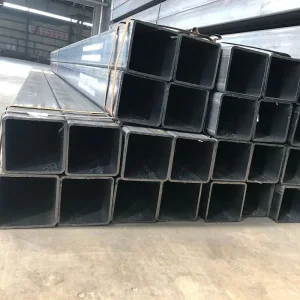
Our comprehensive range of precision steel pipes, welded fittings, and oilfield equipment, engineered to support global commercial operations.
 Kerlimar