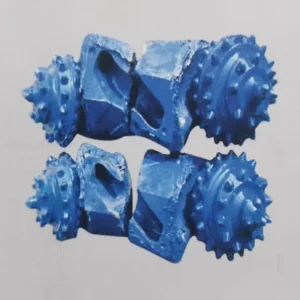
Engineered for excellence, manufactured in alignment with global ASTM/ASME standards, and trusted by processing plants, energy sectors, and industrial installations.
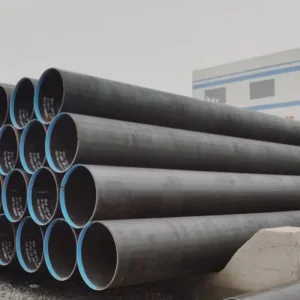
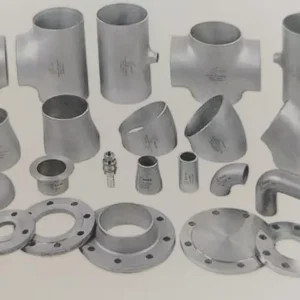
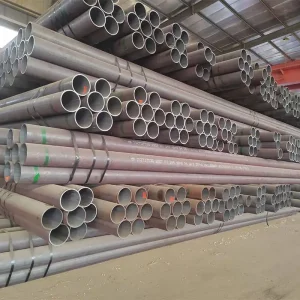
An in-depth metallurgical analysis of micro-diameter fluid networks, outlining physical characteristics, material tolerances, and the critical role of precision micro-tubes in modern technology.
The 1/4 inch stainless steel pipe, representing a nominal outer diameter of 0.250 inches (6.35 mm), is a crucial configuration in fluidics engineering. Offered in austenitic grades like 304/304L and 316/316L, as well as duplex variants, these pipes are designed to resist pitting, crevice corrosion, and tensile stress under demanding thermal conditions.
Because flow dynamics in smaller pipe sizes require minimal surface roughness (Ra) to prevent turbulence and blockage, manufacturing tolerances must be extremely precise. Modern manufacturing systems use cold-drawing and bright annealing to achieve smooth internal surfaces (low Ra values), critical for chromatography, chemical injection systems, and analytical instrumentation.
While welded configurations provide cost advantages and structural uniformity, seamless cold-drawn 1/4" tubes are preferred in high-pressure installations. With no heat-affected zone (HAZ), seamless variations minimize the risk of stress corrosion cracking, ensuring reliable service in high-purity environments like semiconductor fabrication and gas delivery.
With over two decades of experience, Shaanxi Kerlimar Engineers Co., Ltd. specializes in international trade, supplying high-quality steel pipes, carbon steel, alloy steel, and stainless steel solutions. Our core product portfolio includes seamless pipes, straight seam welded pipes (ERW), spiral welded pipes (SSAW), and high-integrity matching pipe fittings.
Our manufacturing operations comply with global industry standards such as ASTM, ASME, EN, JIS, and DIN, guaranteeing full compatibility with international project requirements.
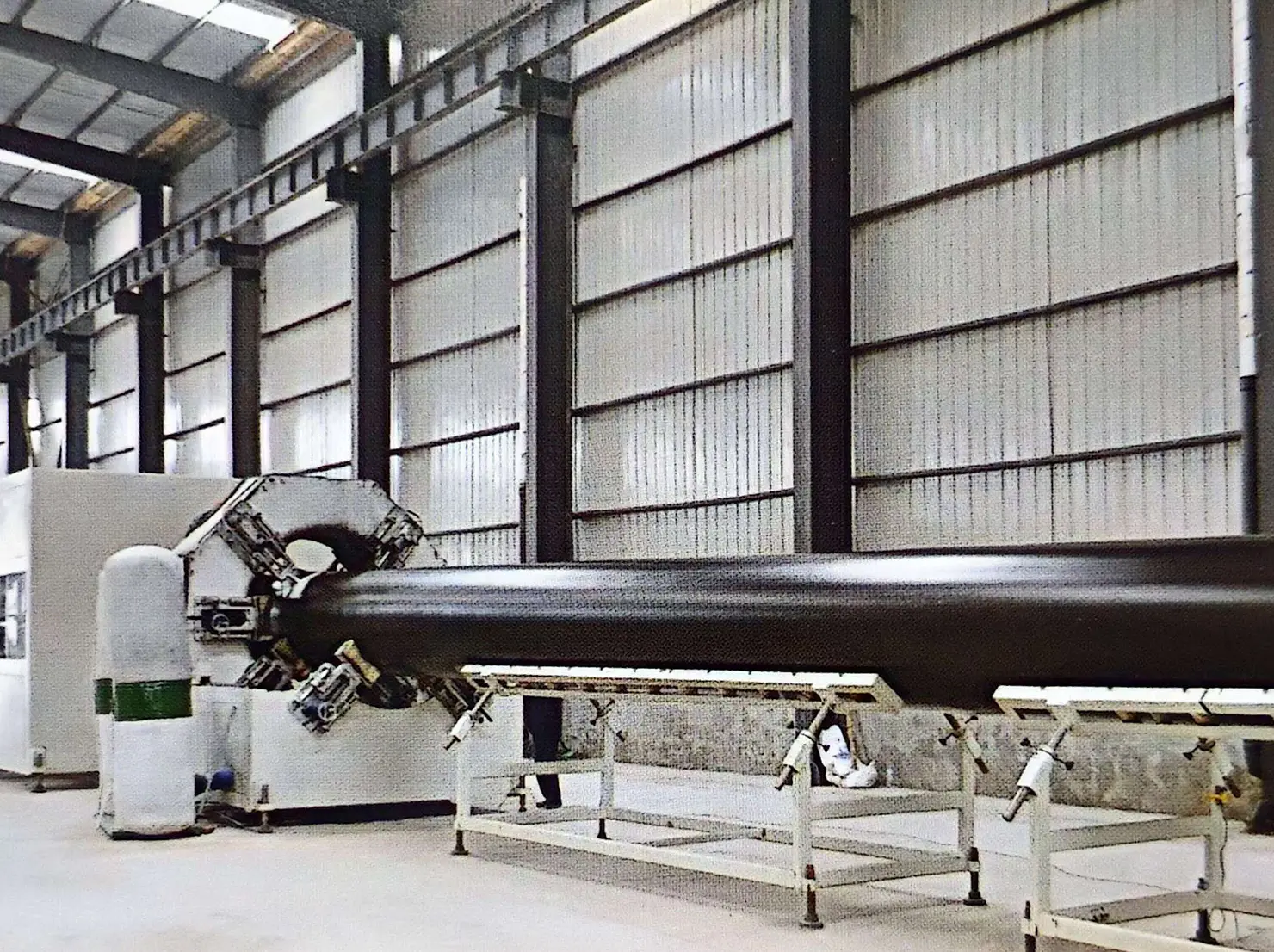
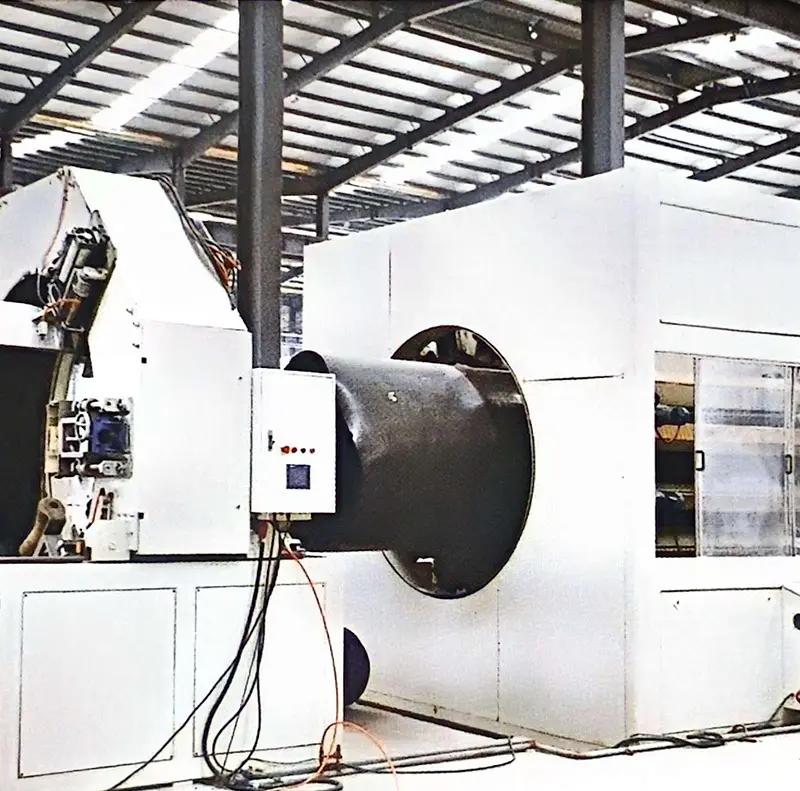
Led by our Chairman, Mr. Ming SUN—a dedicated environmentalist and technological innovator—Shaanxi Kerlimar integrates sustainable practices into industrial engineering.
In 2019, responding to global clean energy initiatives, our R&D teams launched advanced vertical-axis wind turbine technologies to help resolve critical energy bottlenecks. By focusing on design principles like rail magnetic levitation, structural suspensions, and floating layouts, we have secured more than 40 national patents alongside international filings. This commitment to innovation ensures that our metallurgical and steel tube manufacturing processes are also designed with sustainability in mind.
Shaanxi Kerlimar Engineers Co., Ltd. was recognized as a National High-tech Enterprise in December 2020. Our innovations have earned invitations to global platforms, including the China-Finland High Technology Match Conference in 2021 and an Excellence Award at the 11th China Innovation and Entrepreneurship Competition in 2022.
Our technological leadership was further highlighted in December 2023 at the Dubai COP28 Conference. We are actively working toward the 1.5°C global climate target by manufacturing high-efficiency, reliable engineering materials that reduce emission profiles across international supply chains.

High-tolerance manufacturing requires deep engineering expertise. Our research into structural suspensions, mechanical tolerances, and metallurgy for wind turbine platforms transfers directly to our pipe production lines. The high precision required for vertical axis turbine assemblies matches the strict manufacturing requirements of high-purity, seamless 1/4" stainless steel pipes.
Industrial processing plants account for a significant portion of global energy consumption. Efficient pipe systems that reduce pressure drops and prevent leaks directly lower a facility's carbon footprint. By choosing our low-friction, precision-drawn 1/4-inch tubes, you optimize fluid transport dynamics and support sustainability goals.
Analyzing the structural, logistical, and technological advantages that make our factory operations the benchmark for high-efficiency stainless steel production.
Our plants are situated close to key raw material hubs, reducing transport times and protecting against pricing volatility. By managing everything from billet procurement to final cold drawing in-house, we control costs while maintaining high quality.
We deploy high-speed automated pilgering mills and multi-stage cold drawing benches. Computerized control units monitor tolerances in real time, keeping variance down to ±0.05 mm on thin-walled 1/4" pipelines. This precision ensures consistent wall thickness across large-scale runs.
Every batch undergoes comprehensive testing to verify mechanical and chemical properties. We perform eddy current testing, hydrostatic verification, ultrasonic inspections, and PMI (Positive Material Identification) to ensure our products meet ASTM, ASME, and EN specifications before shipment.
Exploring how these micro-pipes function across major global sectors, from heavy industry to advanced clean energy systems.
In analytical laboratories and industrial pilot plants, 1/4-inch stainless steel tubing serves as the standard conduit for gas chromatography systems. A smooth internal bore is critical here to minimize sample carryover and prevent baseline noise, ensuring accurate analytical measurements.
Subsea oil completions and heavy marine vessels rely on high-integrity 1/4" hydraulic control lines to actuate remote valves. Choosing seamless 316L stainless steel provides the required mechanical strength to withstand external sea pressures and internal operational forces.
Hydrogen distribution systems demand non-porous pipelines to prevent hydrogen embrittlement. Cold-drawn, passivated 1/4-inch tubes provide the required chemical resistance and low permeability, supporting safe fuel cell delivery and alternative power networks.
Fabrication plants require ultra-high purity (UHP) gas lines. Our electro-polished 1/4" tubes minimize outgassing and particle shedding, maintaining the strict gas purity standards needed for manufacturing silicon wafers.
Procurement departments must balance technical specifications, delivery reliability, and compliance verification. Use this guide to optimize your supply chain:
We make procurement simple and secure. When sourcing 1/4 inch stainless steel tubes from our plant, we provide:
Find answers to common questions about material properties, mechanical considerations, and procurement processes.
A 1/4" tube has a true outer diameter of 0.250 inches (6.35 mm). However, nominal pipe size (NPS) classifications differ: a 1/4" NPS pipe has an OD of 0.540 inches (13.7 mm). Wall thickness varies by application requirements, typically ranging from Schedule 10 (0.088" / 2.24 mm) and Schedule 40 (0.119" / 3.02 mm) to Schedule 80 (0.145" / 3.68 mm). For precision instrumentation tubing, wall thicknesses typically range from 0.028" (0.71 mm) to 0.065" (1.65 mm).
Grade 316L contains 2% to 3% molybdenum, which significantly improves resistance to pitting and crevice corrosion in chloride-rich environments compared to Grade 304. The "L" indicates low carbon content (less than 0.03%), which helps prevent carbide precipitation during welding, preserving corrosion resistance near joints.
Yes, high-quality welded stainless steel pipes can be bent successfully if they have been fully annealed during manufacturing. The annealing process relieves internal stresses from welding and cold working. For tight or high-pressure bends, we recommend seamless tubing, which offers more uniform wall strength.
We maintain strict control at every step of manufacturing. This includes checking raw material chemistries, monitoring cold-drawing processes, and performing mandatory testing—such as hydrostatic pressure checks, eddy current tests, and dimensional inspections—on every production batch.
For general industrial systems, standard bright annealing yields a surface roughness (Ra) of approximately 0.5 to 0.8 microns. In high-purity semiconductor facilities, electro-polished (EP) lines are specified to achieve Ra values below 0.15 to 0.25 microns, minimizing microscopic crevices where particles or contaminants could settle.
Most global projects require materials certified to EN 10204 3.1 standards, showing full trace chemistry and physical test data. Depending on the industry and region, compliance with ASME Section III (Nuclear Power), API 5L (Oil and Gas), or PED 2014/68/EU (European Pressure Equipment Directive) may also be required.
We work with global ocean freight, rail, and air carriers to coordinate deliveries directly from our Chinese factories. Our team manages all export documentation, custom classifications, and protective packaging, helping to ensure shipments arrive on time and in good condition.
Yes, our work in renewable energy shapes how we approach overall manufacturing efficiency. We apply the same precision engineering principles from our turbine design work to our steel production, helping us optimize processes, reduce energy use, and maintain high standards for all our piping products.
Browse our full range of structural pipes, valves, heat control systems, and casing tubes to find the right components for your next project.
 Kerlimar