Explore our high-performance line of seamless and welded mild steel square pipes, corrosion-resistant stainless tubing, and heavy-duty industrial valves designed for global supply networks.
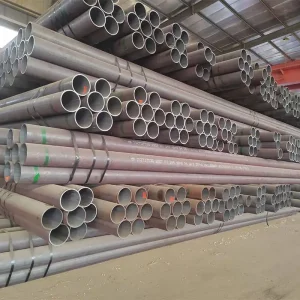
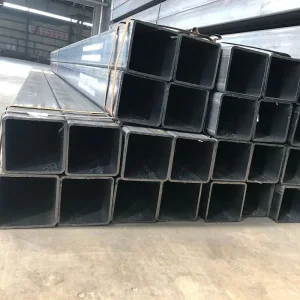
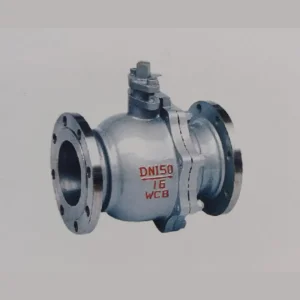
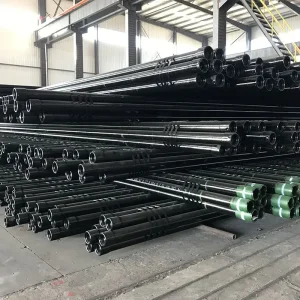
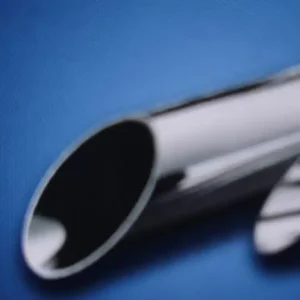
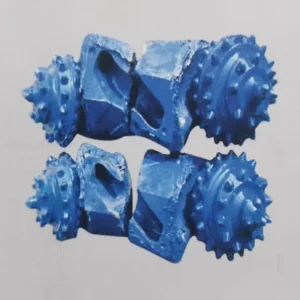
Established in 2003, Shaanxi Kerlimar Engineers Co., Ltd. has developed an international footprint in the global distribution of structural steel pipelines and carbon steel products. We specialize in supply solutions spanning seamless steel pipes, straight-seam welded pipes, spiral welded pipes, matching pipe fittings, and high-integrity mild steel square pipes.
Our fabrication protocols strictly align with internationally accepted engineering frameworks, including ASTM, ASME, EN, JIS, and GB/T, ensuring that every batch exhibits chemical consistency and dimensional tolerances matching elite engineering standards. Over two decades of execution capability equips us to navigate fast-track logistical programs, high-stakes quality control metrics, and specific customized processing requests.
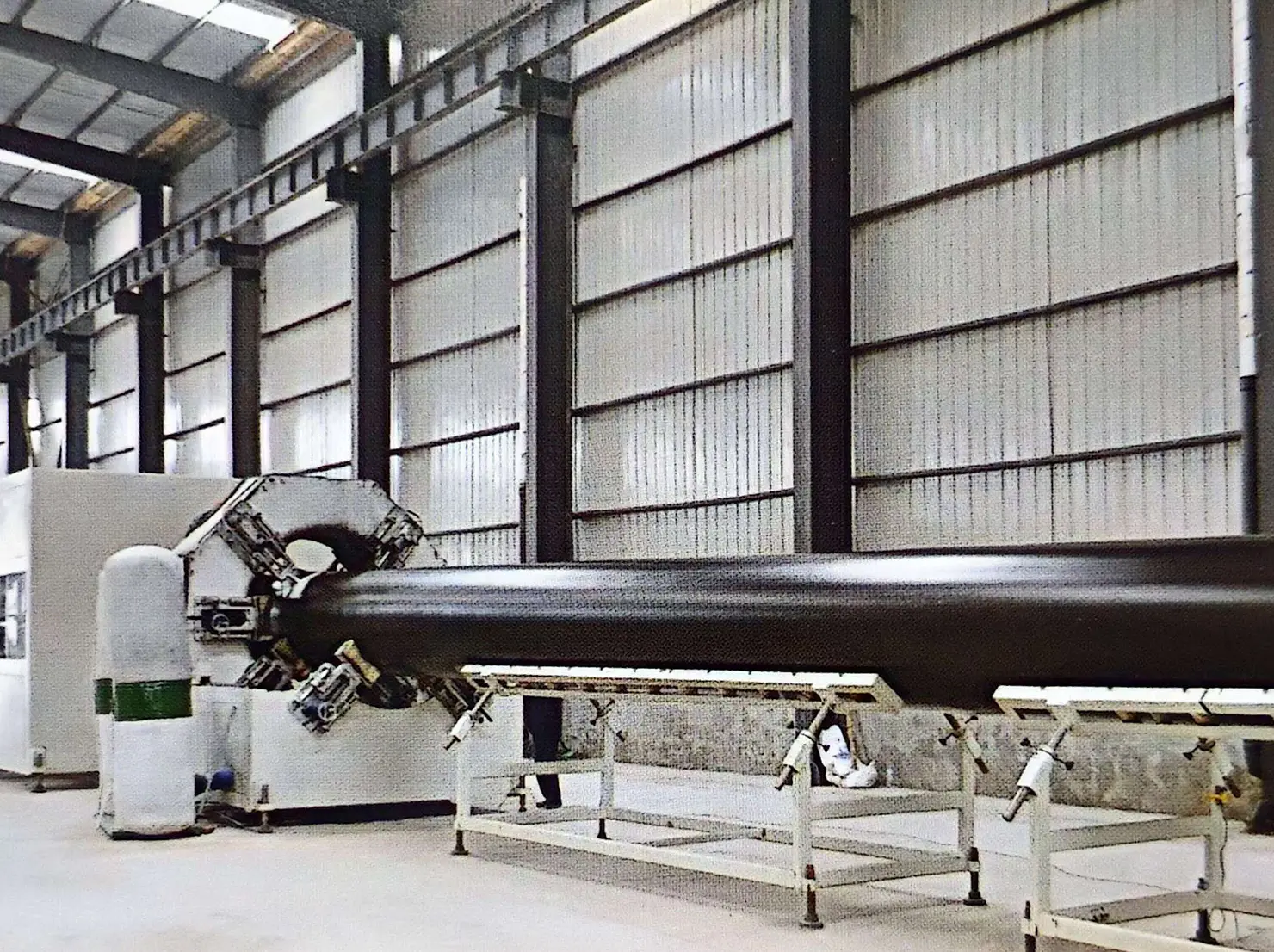
Our engineering team monitors the manufacturing process, ensuring precise control over chemical composition, yield ratio, tensile limits, and geometric consistency.
Mild steel square pipes, structurally classified as Hollow Structural Sections (HSS), serve as critical structural components due to their superior torsional rigidity and compressive efficiency. Unlike traditional open sections like I-beams or channels, the closed-loop design of a square section provides balanced load resistance across multiple axes. Our factory processes high-grade low-carbon steel to balance high weldability with robust yield characteristics.
| Standard Specification | Material Grade | Yield Strength (Min) | Tensile Strength (Min) | Typical Application Fields |
|---|---|---|---|---|
| ASTM A500 / A500M | Grade A, B, C, D | 269 - 317 MPa | 310 - 427 MPa | Structural frames, structural columns, modular buildings, bridges |
| EN 10219-1 / -2 | S235JRH, S275J0H, S355J2H | 235 - 355 MPa | 360 - 630 MPa | Offshore structures, machinery fabrication, heavy transport systems |
| JIS G3466 | STKR400, STKR490 | 245 - 325 MPa | 400 - 490 MPa | Civil engineering structures, high-rise architectural supports |
| GB/T 6728 | Q195, Q235B, Q355B | 195 - 355 MPa | 315 - 630 MPa | General engineering, grid arrays, infrastructure frames |
Manufactured by continuously roll-forming high-grade steel strip at ambient temperatures, followed by high-frequency induction (HFI) welding. This creates highly consistent outer dimension tolerances, thin wall options, and superior surface qualities suitable for subsequent paint or galvanizing.
Subjected to hot-finishing processes to eliminate residual stress built up during cold forming. Hot-finished sections exhibit uniform mechanical characteristics throughout the cross-section, higher ductility, and superior performance under dynamic loading or extreme temperatures.
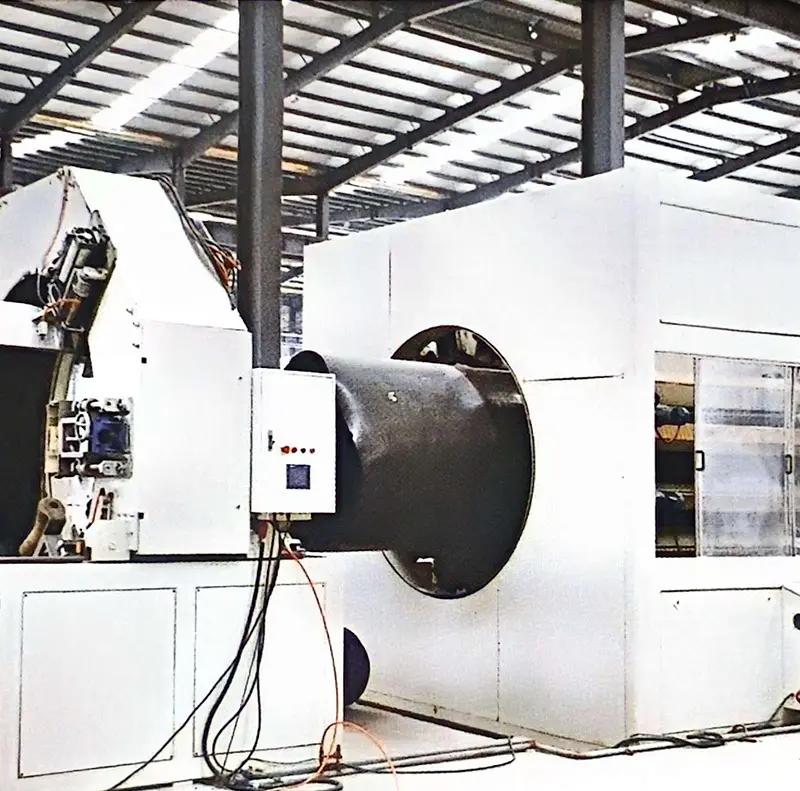
Led by Chairman Mr. Ming SUN, an environmentalist and advocate of technological innovation, Shaanxi Kerlimar Engineers Co., Ltd. has prioritized sustainable operations. Beginning in 2019, in response to evolving green directives, the company established a dedicated clean energy division. This team focuses on vertical-axis wind power technology, designed to address challenges in wind energy capture, installation footprint, and operational safety.
Our research and development pipeline addresses challenges across suspension dynamics, grid structures, magnetic levitation systems, structural cabling, and land floating foundations. Leveraging our background in structural metallurgy, we optimize the structural components of vertical-axis wind turbines—demanding specialized structural hollow steel sections that resist fatigue under extreme wind environments.
Certified as a National High-tech Enterprise in December 2020. Recognized at the China-Finland High Technology Match Conference (2021) and awarded Excellence at the 11th China Innovation and Entrepreneurship Competition (2022).
Invited to participate in the COP28 Conference in Dubai (December 2023). We align our supply chain policies to support industrial decarbonization and the global target of limiting temperature rise below 1.5°C.
Completed testing on 10KW-500KW wind power generation systems. These structural designs leverage low cost, high reliability, and system control features to support decentralized rural grid development.
How high-strength steel development, digital manufacturing, and green building certifications are reshaping the specification of mild steel square profiles.
The steel industry is seeing a shift toward micro-alloyed, high-strength structural profiles. By introducing small amounts of niobium, vanadium, and titanium, manufacturers can achieve yield strengths exceeding 460 MPa without increasing carbon contents. This process maintains high weldability while enabling thinner wall designs, reducing overall structural weight. Lower weight reduces logistics costs and structural load profiles, optimizing foundation and installation requirements.
Corrosion protection remains a key factor in extending structural lifecycle metrics. Traditional hot-dip galvanizing (zinc coating weights of Z275 to Z600) is being augmented by advanced Zinc-Aluminum-Magnesium (ZAM) alloy coatings. ZAM coatings provide up to three times the corrosion resistance of standard galvanizing in highly corrosive marine and industrial environments. This coating features self-healing properties on cut edges, reducing onsite maintenance and lengthening component service lifespans.
Offsite prefabrication relies on modular building designs utilizing square and rectangular hollow sections. The dimensional stability and geometric accuracy of square profiles ensure precise fitments within factory settings, reducing erection delays on construction sites. Manufacturers provide specialized processes including CNC laser profiling, pre-drilling, and factory-applied structural primers to support fast-track field connections.

Figure: Structural analysis and tensioning system for Kerlimar's vertical-axis wind turbine systems.
From architectural framing to heavy agricultural applications, our carbon steel square sections are deployed across diverse operating environments.
Mild steel square pipes are specified across diverse industrial and geographical applications. Due to their design, they are a primary structural component in civil engineering, machinery production, and energy infrastructure projects worldwide:
Answers to common structural design, tolerance, material comparison, and procurement questions compiled by our engineering team.
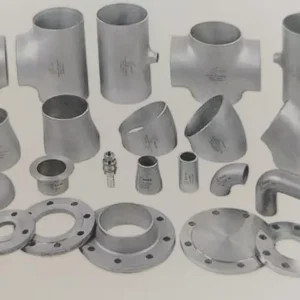
Complete your pipeline layouts with butt-welding pipe fittings, precision seamless sections, and specialized carbon steel casings.
 Kerlimar