Explore our state-of-the-art precision components designed for extreme pressure, high temperature, and corrosive media handling environments.
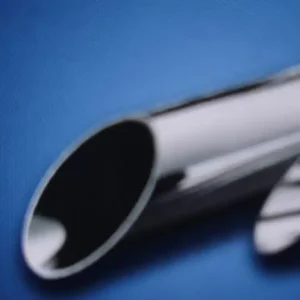
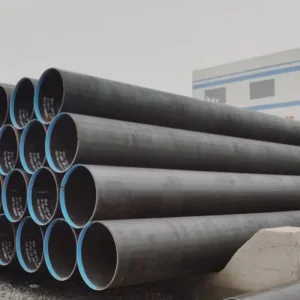
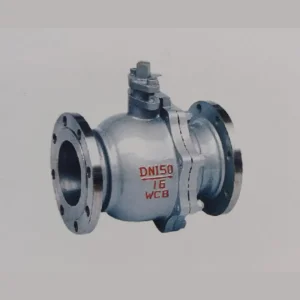
Stainless steel ball valves represent the cornerstone of modern industrial fluid dynamics. Designed to manage the flow of various liquids, gases, and slurries, these components are highly utilized in sectors demanding strict hygiene, extreme temperature management, and reliable chemical compatibility. Stainless steel grades—primarily austenitic steels like ASTM A182 F316/F316L and A351 CF8M—provide superior resistance to oxidation, localized pitting, and general corrosion. This makes them indispensable in chemical manufacturing, marine pipelines, pharmaceuticals, and cryogenic operations.
"In heavy infrastructure projects, flow control safety margins represent a crucial factor for prevention of environmental hazards. A failure rate below 0.001% is standard for top-tier international stainless steel ball valves."
From a commercial perspective, the international market for stainless steel flow control components has experienced robust growth. The surge is primarily driven by industrial modernization, stricter environmental regulations concerning fugitive emissions, and the expansion of liquefied natural gas (LNG) networks globally. As processing plants transition to automated control systems, ball valves paired with electric or pneumatic actuators are increasingly specified, shifting the demand from basic manual hardware to high-precision engineering assemblies.
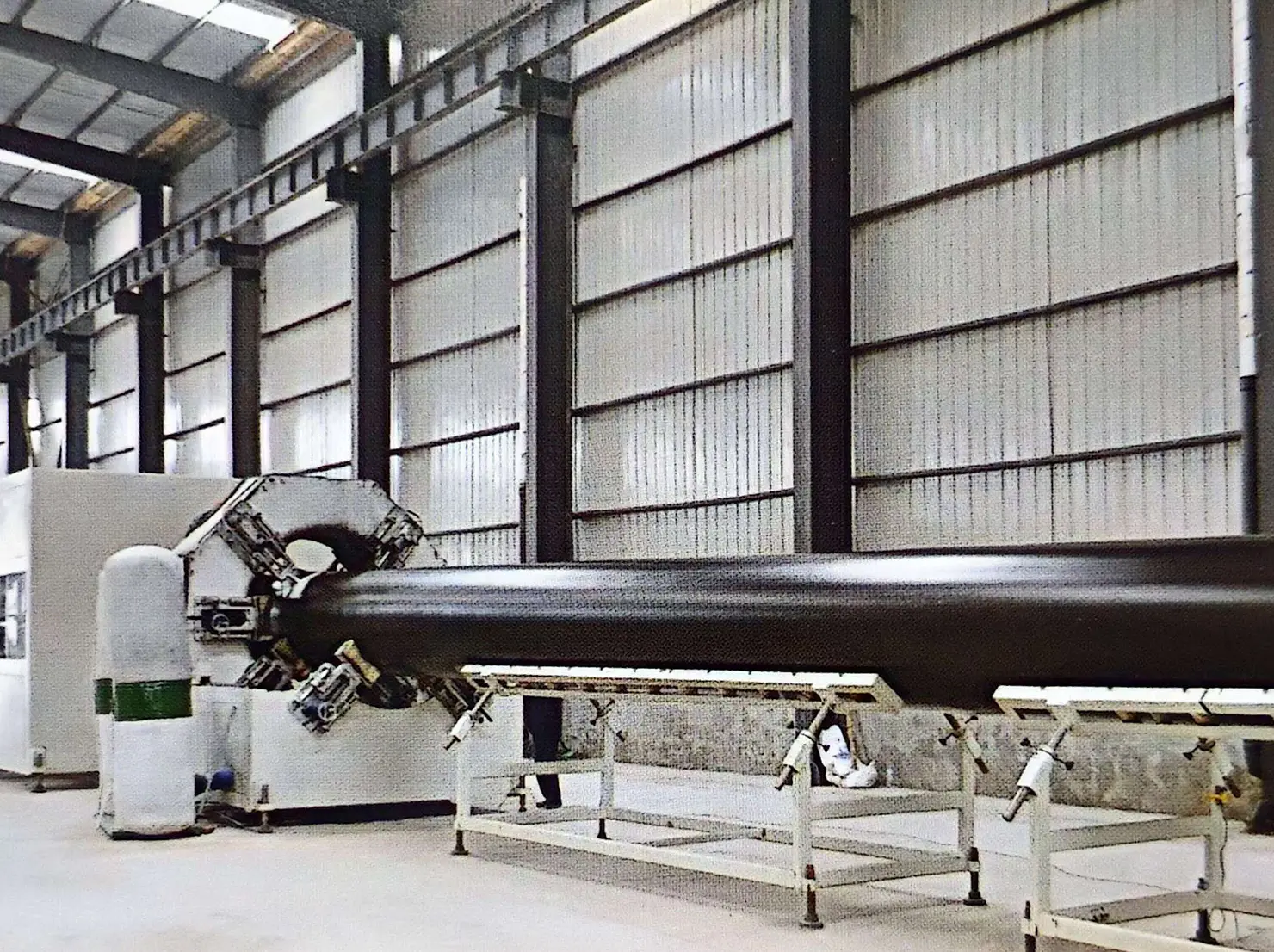
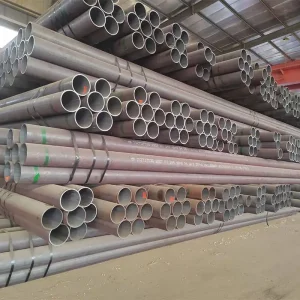
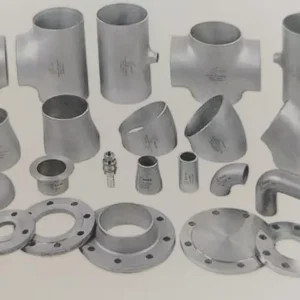
Established in 2003, Shaanxi Kerlimar Engineers Co., Ltd. has spent over 21 years cementing its status as an international engineering and flow assurance leader. Specializing in carbon steel, alloy steel, and stainless steel materials, the company's extensive portfolio encompasses seamless pipes, straight-seam welded pipes, spiral welded pipes, and matched flow-control fittings including premium ball valves. All fabrications conform rigorously to global standards, including ASTM, ASME, EN, and JIS.
Guided by our chairman, Mr. Ming SUN, Kerlimar incorporates clean technology and environmental stewardship into its industrial engineering practices. Since 2019, the company has channeled research and development into vertical axis wind turbine innovations, accumulating over 40 authorized patents by the State Intellectual Property Office alongside international patent designations. This dual commitment to heavy engineering and green technological development positions Kerlimar as an authoritative partner for forward-thinking enterprises aiming to reconcile industrial efficiency with low-carbon operational mandates.
The global dominance of Chinese valve manufacturing is not merely a matter of scale, but a result of deep supply chain integration and advanced technical capability. Modern Chinese manufacturing hubs leverage vertically integrated networks that link raw material smelting, precision investment casting, multi-axis CNC machining, and automated testing facilities under a localized radius. This significantly minimizes logistical friction and shortens lead times for massive infrastructure-scale valve orders.
Utilizing high-grade silica sol technology to achieve ultra-smooth surfaces, dimensional accuracy, and structurally sound valve body walls that eliminate microscopic gas pockets.
Applying automated hydrostatic pressure testing, helium leak detection, and non-destructive material evaluation (NDT) to ensure zero-leakage performance under extreme workloads.
Rapid deployment of custom configurations, dynamic seal selections (PTFE, PEEK, Devlon), and customized actuation interfaces designed to meet project-specific fluid requirements.
By blending advanced automation with skilled process engineering, factories like Shaanxi Kerlimar Engineers Co., Ltd. maintain consistent production standards that meet or exceed European and North American pressure equipment directives. The resulting cost-efficiencies are directly passed to procurement departments, allowing global enterprises to manage budget constraints without compromising on the quality and longevity of their flow control networks.
The choice of ball valve design depends heavily on the specific environmental and chemical stressors it will encounter during operation. Stainless steel ball valves are engineered to perform across several challenging applications:
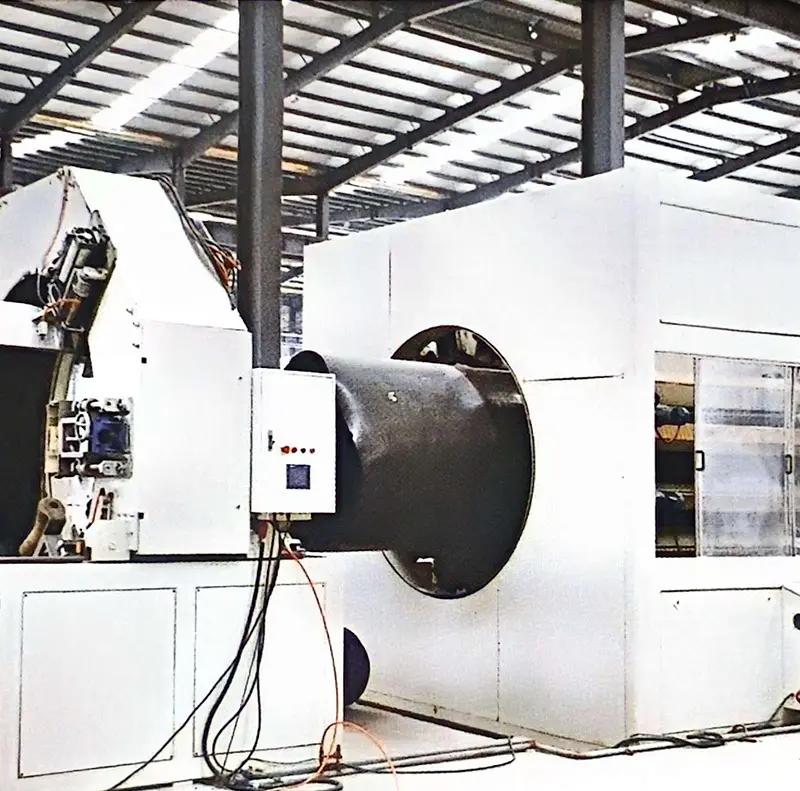
The industrial flow control sector is undergoing a massive shift towards digitization and environmental responsibility. Understanding these trends is key to future-proofing your supply chain:
Predictive maintenance is replacing reactive repair cycles. Modern ball valves are increasingly equipped with digital smart positioners and acoustic emission sensors that detect internal leakages before they cause system failures, streamlining operations in remote offshore pipelines and automated chemical processing units.
With global climate mandates aiming to minimize greenhouse gas emissions, valves must comply with standards like ISO 15848-1 and API 641. These certifications verify that the valve stem seals are designed to minimize volatile compound leakages, helping industrial plants meet strict ESG targets.

For international procurers, validating vendor competence goes beyond pricing. Global buyers prioritize suppliers who provide certified material test reports (MTRs) to EN 10204 3.1, hydrostatic testing compliance, and comprehensive quality assurance systems. Companies like Shaanxi Kerlimar Engineers Co., Ltd. offer this exact degree of transparency, demonstrating technical authority through global high-tech awards and a history of research recognition, such as winning the Excellence Award in the China Innovation and Entrepreneurship Competition.
Technical insight and answers to critical queries from engineering and sourcing professionals.
Discover our comprehensive range of high-performance piping, casings, and flow solutions manufactured for strict quality requirements.
 Kerlimar