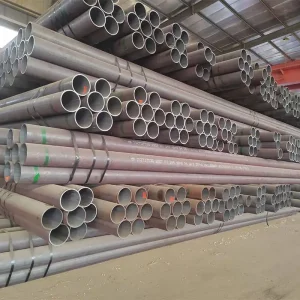
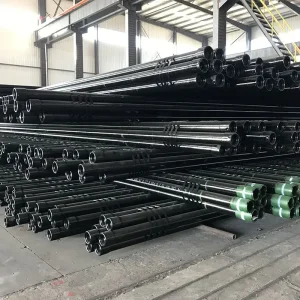
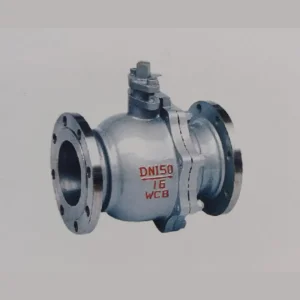
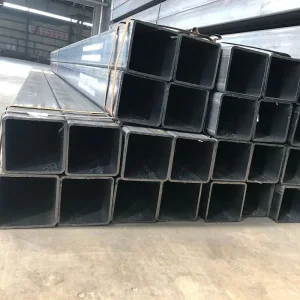
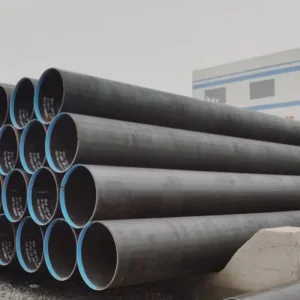
In high-pressure, thermal-stress, and highly corrosive pipeline networks, the integrity of a pipeline is only as reliable as its connection points. Pipe joints serve as the localized anchors that accommodate mechanical stress, structural shifts, and temperature fluxes. When engineering piping systems, selecting high-quality stainless steel pipe joints is crucial to avoid system failure, environmental hazards, and costly downtime.
With modern industries transitioning toward advanced automation, aggressive processing chemicals, and demanding offshore locations, the structural metrics for pipe joints have scaled dramatically. Standard structural configurations are being replaced by high-performance alloy interfaces that guarantee zero-leakage tolerances over multi-decade lifecycles.
Modern pipeline architectures require joints engineered to mitigate specific failure mechanisms:
Maintained structural integrity under high-heat regimes exceeding 650°C.
PREN value exceeding 32 for standard marine duties and 40+ for localized acidic environments.
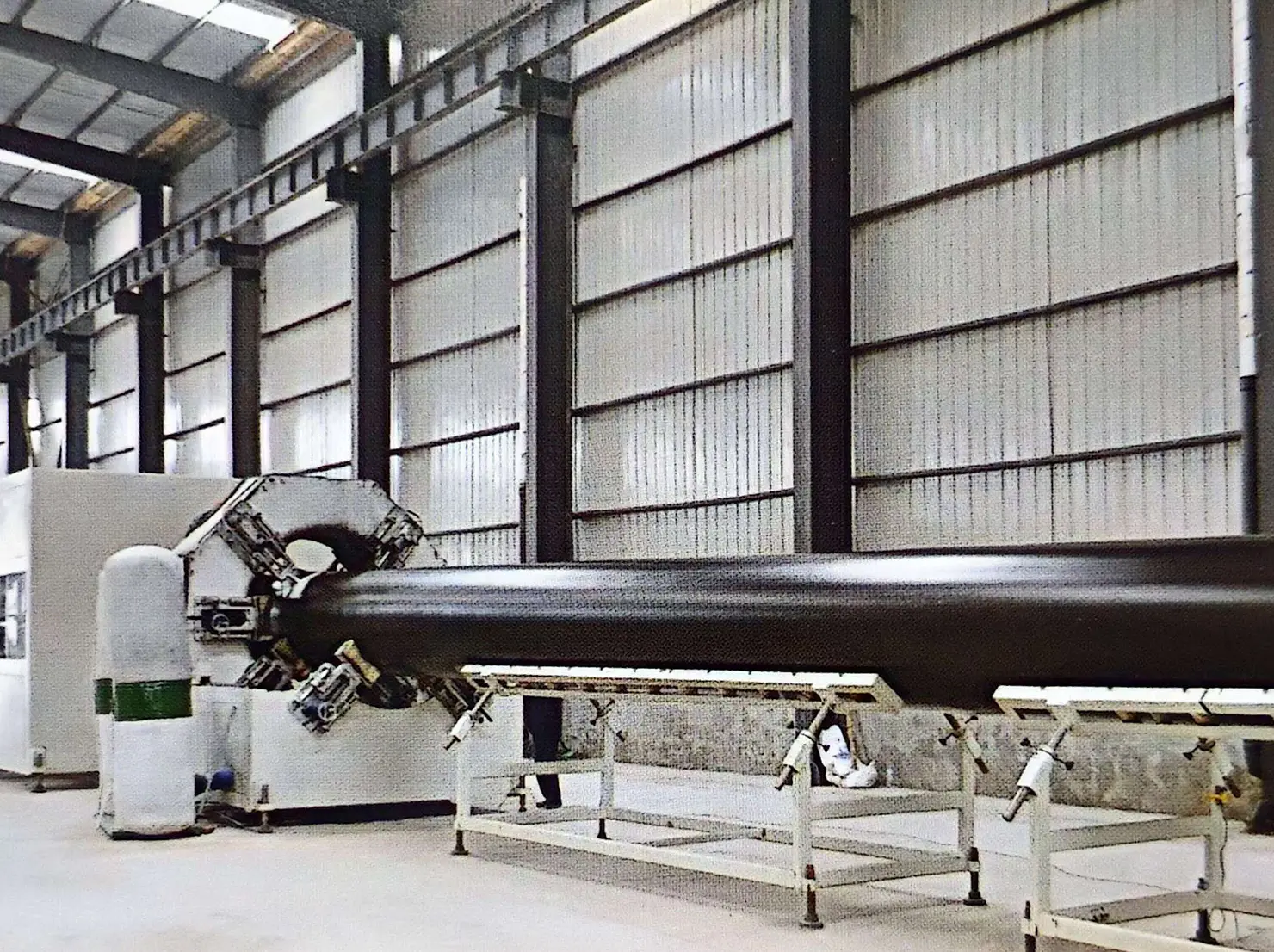
Established in 2003, Shaanxi Kerlimar Engineers Co., Ltd. has developed over two decades of engineering expertise, supplying high-performance pipelines, carbon steel, alloy steel, and stainless steel pipe joints. We comply with strict manufacturing standards, including ASTM, ASME, EN, and JIS, to deliver certified products to clean energy projects, petrochemical plants, and infrastructure installations worldwide.
Under the leadership of our chairman, Mr. Ming SUN, a committed environmentalist and technology innovator, we focus on engineering quality alongside sustainable manufacturing processes. This double focus drives our efforts to optimize raw material usage, implement waste heat recovery, and design components for low-carbon applications.
Since 2019, Shaanxi Kerlimar has integrated clean energy technologies with advanced metallurgy. Our R&D efforts cover new vertical-axis wind turbine designs, magnetic levitation suspensions, grid structures, and land-based floating energy systems. This structural design capability has resulted in more than 40 patents authorized by the State Intellectual Property Office, alongside multiple international patent filings.
This engineering approach direct impacts our stainless steel piping and joints production. By applying structural modeling used in high-stress wind turbines to our pipe joint designs, we ensure our fittings can handle complex mechanical stresses. We aim to contribute to global climate goals, including limiting temperature rise to 1.5°C, by providing robust pipeline components for hydrogen transport, wind structures, and geothermal systems.
In recognition of these efforts, we received the national High-tech Enterprise certification in 2020, won the Excellence Award at the 11th China Innovation and Entrepreneurship Competition in 2022, and were invited to participate in the COP28 Conference in Dubai in 2023.
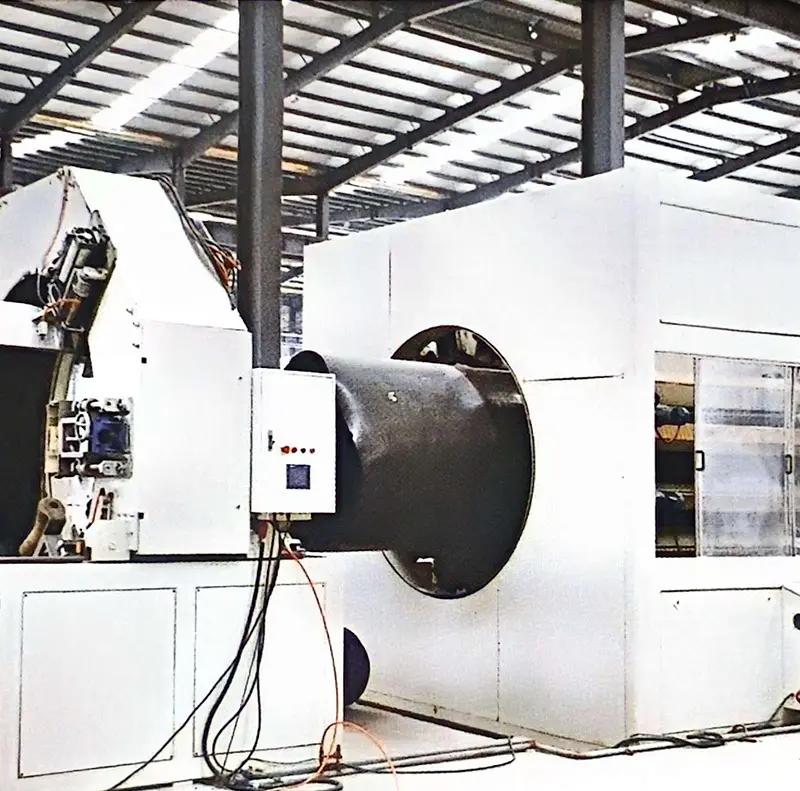

China's manufacturing sector has transitioned from mass production to precision engineering, utilizing integrated supply chains and advanced quality control systems.
From raw iron ore processing and vacuum oxygen decarburization (VOD) refining to hot rolling and final machining, the entire production cycle occurs within specialized industrial zones. This reduces transit costs and ensures consistent chemical compositions across product batches.
Chinese factories utilize advanced multi-axis CNC machines and automated forging presses. This technology allows for tight dimensional tolerances (within ±0.05mm) on complex thread patterns, including NPT, BSPT, and metric configurations.
Leading manufacturers verify alloy compositions using spark emission spectrometers and positive material identification (PMI) testing. Material Test Reports (MTR) are provided in accordance with EN 10204 3.1 standards to confirm batch traceability.
Different operational environments demand specific steel compositions. The table below details the performance parameters of common stainless steel joint materials.
| Alloy Grade | Chemical Composition Key Highlight | PREN Value | Optimal Operating Temperature | Primary Industrial Applications |
|---|---|---|---|---|
| Austenitic 304/304L | 18% Cr, 8% Ni (Low Carbon) | 18 - 20 | -196°C to 538°C | Food processing, domestic water infrastructure, general manufacturing. |
| Austenitic 316/316L | 16% Cr, 10% Ni, 2% Mo | 23 - 25 | -196°C to 600°C | Marine fittings, pharmaceutical equipment, chemical transport, saline environments. |
| Super Austenitic 904L | 20% Cr, 25% Ni, 4.5% Mo, 1.5% Cu | 34 - 36 | Up to 400°C | Sulfuric acid processing, heat exchangers, pulp & paper industries. |
| Duplex 2205 (UNS S32205) | 22% Cr, 5% Ni, 3% Mo, 0.18% N | 35 - 38 | -50°C to 300°C | Offshore oil drilling rigs, high-stress structural pipe joints, flue gas scrubbers. |
| Super Duplex 2507 (UNS S32750) | 25% Cr, 7% Ni, 4% Mo, 0.28% N | 41 - 43 | -50°C to 300°C | Desalination plants, deep sea exploration subsea pipelines, chemical processing. |
Modern industrial projects rely on specialized piping joints to maintain continuous operation. In Offshore and Marine Engineering, joints must withstand galvanic corrosion, salt spray, and tidal forces. Utilizing 316L and Duplex 2205 joints helps prevent chloride-induced stress corrosion cracking (SCC).
In the Chemical and Petrochemical Processing sector, pipelines carry acidic, alkaline, and high-temperature hydrocarbon streams. High-performance joints prevent fugitive emissions, helping operators comply with strict environmental safety regulations.
For Clean Energy and Cryogenic Applications, including LNG terminals and green hydrogen distribution systems, pipe joints must remain ductile at sub-zero temperatures. Low-carbon grade joints (304L/316L) are used to prevent embrittlement and catastrophic joint failure.
Designed to withstand pressures up to 6000 PSI, featuring heavy-duty forged socket weld configurations and union fittings for critical fluid lines.
Features internal surface finishes polished down to Ra < 0.4 µm. This design minimizes bacterial adhesion and product contamination in pharmaceutical and food-processing piping systems.
International buyers must navigate strict quality compliance and logistics requirements. Sourcing stainless steel pipe joints requires verifying mill certificates, dimensional tolerances, and testing protocols. At Shaanxi Kerlimar, we coordinate these steps, managing material sourcing, CNC machining, non-destructive testing (NDT), packaging, and customs clearance to deliver compliant products directly to your project site.
 Kerlimar