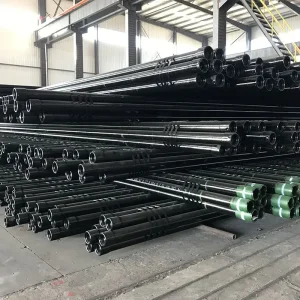
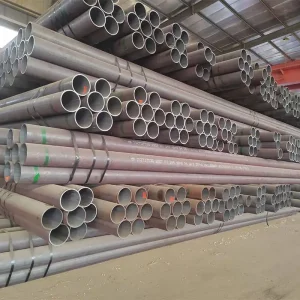
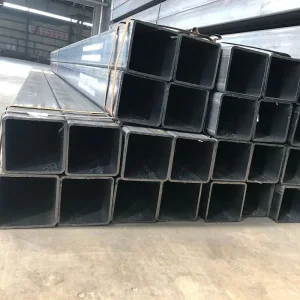
In the modern industrial landscape, 409 Stainless Steel (UNS S40900) stands as the backbone of high-temperature ferritic applications. Originally developed for automotive exhaust systems, its evolution into general industrial use—including furnace parts, heat exchangers, and agricultural equipment—demonstrates its unique balance of titanium stabilization and oxidation resistance.
As a leading 409 Stainless Steel Pipe Supplier, Shaanxi Kerlimar Engineers Co., Ltd. (established in 2003) brings 21 years of metallurgical expertise. Our approach transcends simple distribution; we provide Information Gain by analyzing material performance under varying thermal cycles to ensure your project's longevity.
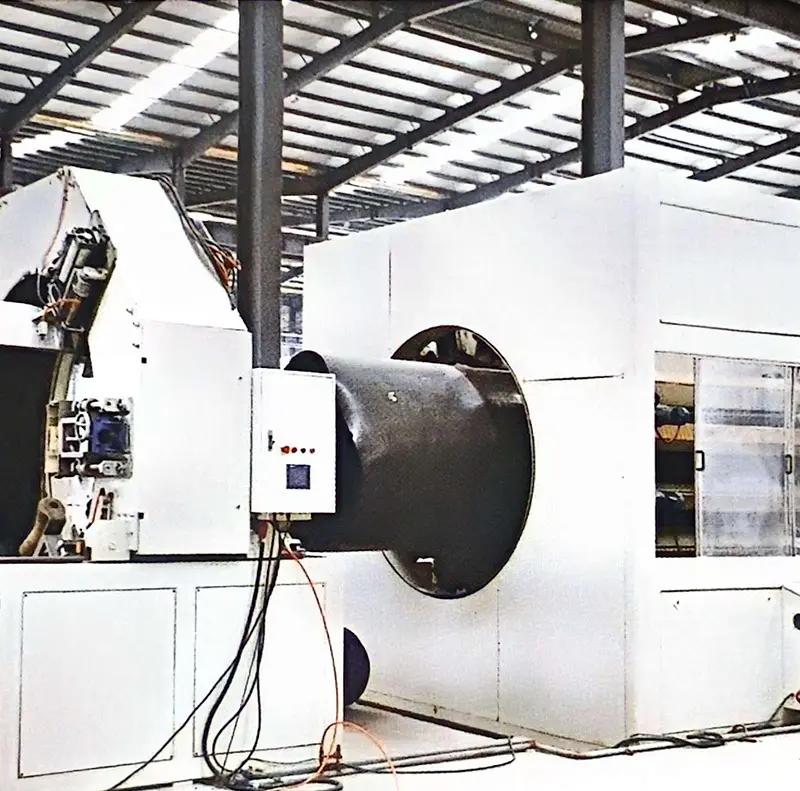
Utilizing automated welding and real-time ultrasonic testing, our "Factory 4.0" initiative ensures that every 409 stainless steel pipe meets ASTM A268 standards with zero-defect tolerance. This digital integration minimizes human error and maximizes material efficiency.
In a volatile global market, our strategic location in Shaanxi provides a resilient logistics network. By integrating raw material sourcing with advanced processing, we mitigate the risks of global price fluctuations and lead-time delays.
Led by environmentalist Mr. Ming SUN, our company prioritizes eco-friendly manufacturing. Our commitment to low-carbon production aligned with the global "Double Carbon" goals ensures that your supply chain meets international environmental compliance.
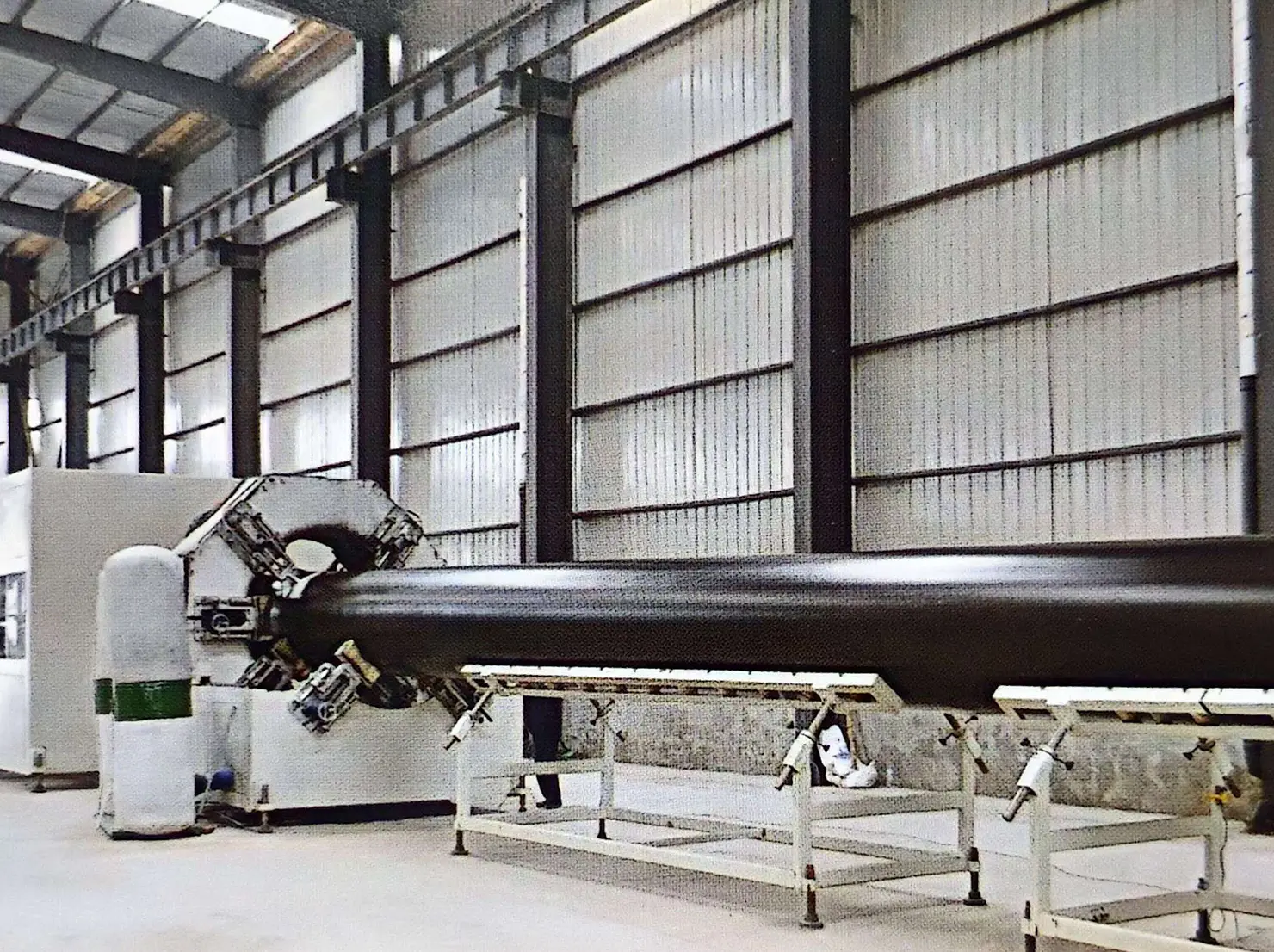
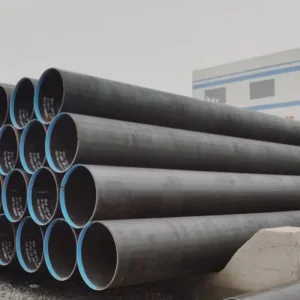
Shaanxi Kerlimar Engineers Co., Ltd. was established in 2003, has long been engaged in international trade business, mainly a variety of pipes, carbon steel, alloy steel, stainless steel material, seamless pipe, straight seam welded pipe, spiral welded pipe and matching pipe fittings.
Manufacturing standards for ASTM, ASME, EN, JIS and so on, in line with international standards. We are providing good quality, price competition, timely delivery, perfect service! Our legacy is built on 21 years of trust and innovation.
The primary demand for 409 pipes remains in automotive exhaust systems (manifolds, tailpipes, and silencers). With the rise of Euro 6 and China VI emission standards, the requirement for corrosion-resistant ferritic steel that can withstand condensate acidity has surged.
Recent industry whitepapers suggest 409 grades are being investigated for specialized heat exchange components in hydrogen fuel cell infrastructure due to their cost-effectiveness compared to 300-series stainless steels.
Buyers in North America and Europe are increasingly moving toward "just-in-time" procurement from certified Chinese manufacturers who can provide full MTC (Mill Test Certificate) transparency. The focus has shifted from "lowest price" to "lowest total cost of ownership (TCO)."
In the agricultural sector, 409 pipes are replacing galvanized steel for dry fertilizer spreaders and heat exchange tubes, offering superior lifespan in abrasive and mildly corrosive environments.
The chairman of the company: Mr. Ming SUN, is a strong environmentalist and a fan of technological innovation. Since 2019, we have launched clean energy technology R&D, focusing on new vertical axis wind power technology to solve wind power bottlenecks.
With more than 40 patents authorized and the national High-tech Enterprise certification (2020), Kerlimar is not just a pipe supplier—we are a technology-driven powerhouse contributing to the global 1.5°C temperature control goal.

A: 409 is a ferritic stainless steel with approximately 11% chromium and titanium stabilization, primarily designed for heat resistance and oxidation. 304 is austenitic (18% chromium, 8% nickel) with higher corrosion resistance but at a significantly higher cost. 409 is the preferred choice for exhaust systems where surface rust is acceptable but structural integrity under heat is critical.
A: Yes, 409 pipes have excellent weldability. Due to their titanium stabilization, they resist grain growth and intergranular corrosion in the heat-affected zone (HAZ) better than non-stabilized ferritic steels. Pre-heating is generally not required for thin-walled pipes.
A: We follow rigorous international standards including ASTM A268. Our quality control involves spectroscopic analysis, hydrostatic testing, and eddy current testing to ensure every pipe meets the mechanical and chemical requirements of the buyer.
A: 409 may develop a light surface discoloration or "tea staining" in humid or corrosive environments. However, this surface oxidation acts as a protective layer and does not compromise the structural integrity of the pipe, unlike carbon steel which flakes and corrodes through.
 Kerlimar