Explore high-performance seamless pipes, insulated systems, and critical line components for global industries.
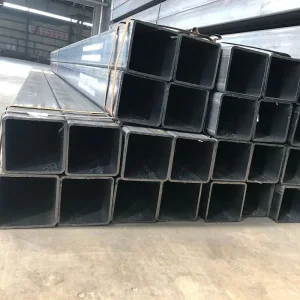
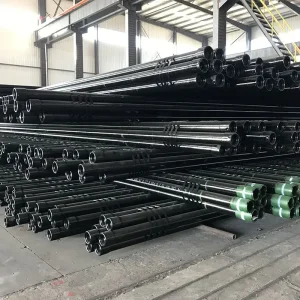
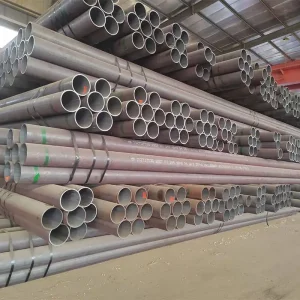
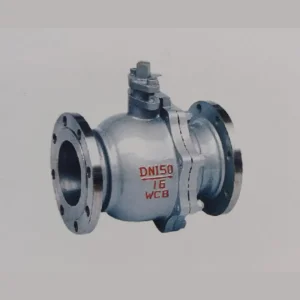
Unlike Circular Hollow Sections (CHS) which exhibit uniform properties in all radial directions, Rectangular Hollow Sections (RHS) are engineered to maximize load distribution across specified coordinates. In structural engineering, the bending moment represents a severe challenge. By placing more material furthest from the neutral axis along the major axis, RHS achieves superior moments of inertia ($I_x$) and section moduli ($Z_x$) relative to its weight.
For applications where bending is primarily unidirectional—such as purlins, floor beams, and bridge structural frameworks—RHS offers unmatched material savings. This mechanical efficiency directly correlates to reduced building weights, smaller foundation footings, and minimized transport emissions, fulfilling both economic goals and environmental imperatives.
RHS structural efficiency is calculated using the Torsional Constant ($J$) and the Section Modulus ($Z$). When subject to high torsional forces, the closed box-profile of rectangular pipes prevents local buckling far better than open steel beams (such as I-beams or channels).
A reference database mapping global industry standards. Standardizing size categories reduces engineering margins and increases supply reliability.
| Nominal Dimensions (mm) | Wall Thickness (mm) | Cross-Sectional Area (cm²) | Calculated Weight (kg/m) | Primary Regulatory Standard |
|---|---|---|---|---|
| 50 x 30 | 2.0 - 4.0 | 2.94 - 5.41 | 2.31 - 4.25 | EN 10219 / ASTM A500 |
| 100 x 50 | 3.0 - 6.0 | 8.36 - 15.60 | 6.56 - 12.20 | EN 10210 / JIS G3466 |
| 150 x 100 | 4.0 - 10.0 | 18.70 - 43.10 | 14.70 - 33.90 | ASTM A500 / AS 1163 |
| 200 x 100 | 5.0 - 12.0 | 28.10 - 62.40 | 22.10 - 49.00 | EN 10219 / ASTM A500 |
| 300 x 200 | 6.0 - 16.0 | 56.90 - 141.00 | 44.70 - 111.00 | EN 10210 / ISO 657 |
| 400 x 200 | 8.0 - 16.0 | 89.90 - 173.00 | 70.60 - 136.00 | ASTM A500 Grade C |
Under ASTM A500, wall thickness cannot deviate more than ±10% of nominal thickness. For EN 10210 (hot-finished profiles), tighter limits of ±5% ensure maximum structural reliability under static load conditions.
Cold-formed profiles require careful control of outer corner radii (typically $1.5t$ to $3.0t$ where $t$ is thickness). Improper corner control introduces residual stress concentrations, risking premature fatigue failure.
Maximum permissible deviation from straightness is 0.15% of the total length for hot-finished structural sections, ensuring seamless alignment and welding consistency on structural building sites.
Bridging international procurement guidelines with regional compliance demands.
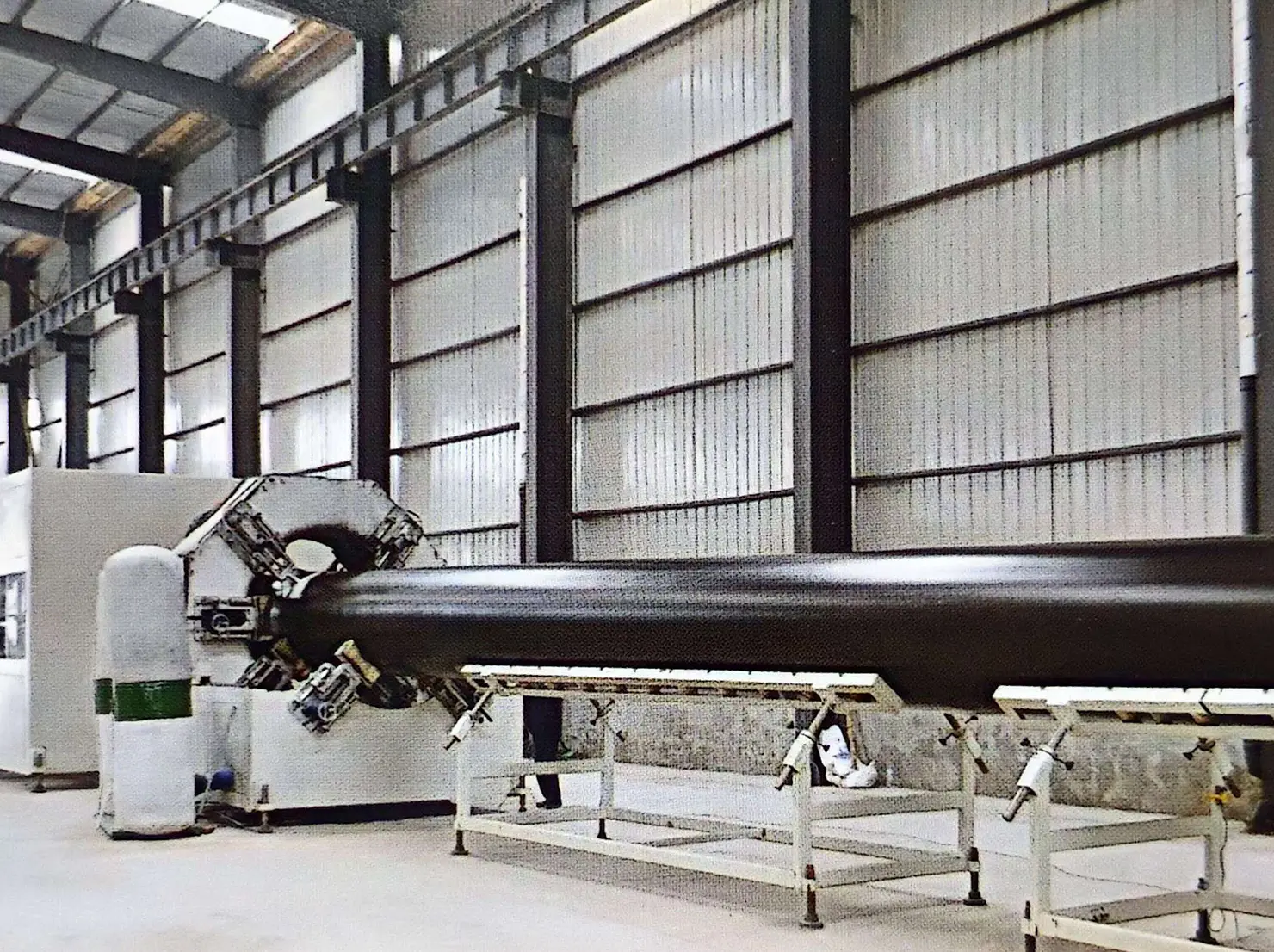
Navigating global compliance when purchasing structural steel requires understanding regional differences. While the US relies heavily on ASTM A500 (cold-formed) and ASTM A1085 (offering tighter tolerances and mandatory charpy V-notch impact testing), European nations enforce EN 10219 (cold-formed) and EN 10210 (hot-finished).
Crucially, hot-finished steel profiles (EN 10210) display minimal internal stresses, offering superior weldability and stability when subjected to thermal modification. For developers in the Asia-Pacific region, compliance with AS/NZS 1163 or JIS G3466 is necessary to satisfy seismic load requirements, making rigorous chemical composition verification (Carbon Equivalent Value - CEV) essential.
Mandatory compliance with AISC codes. Sourcing requires ASTM A500 Grade B/C certification alongside mill test reports (MTRs) detailing traceability from raw ladle to finished hollow structural section (HSS).
Requires EN 10219/10210 compliance under CPR (Construction Products Regulation). All materials must carry clear CE mark documentation and Declaration of Performance (DoP) certificates to clear customs.
AS/NZS 1163 structural steel grades (C350L0 / C450L0) demand verified low-temperature impact properties at 0°C or -20°C, providing ductile performance during seismic events.
Why China remains the global epicentre for steel processing, technical execution, and logistical reliability.
China's steel industry benefits from vertical integration, positioning structural pipe manufacturing plants close to primary blast furnaces and hot-rolled coil (HRC) production facilities. This setup minimizes internal freight costs, keeps molten metal inputs uniform, and shields buyers from supply chain issues.
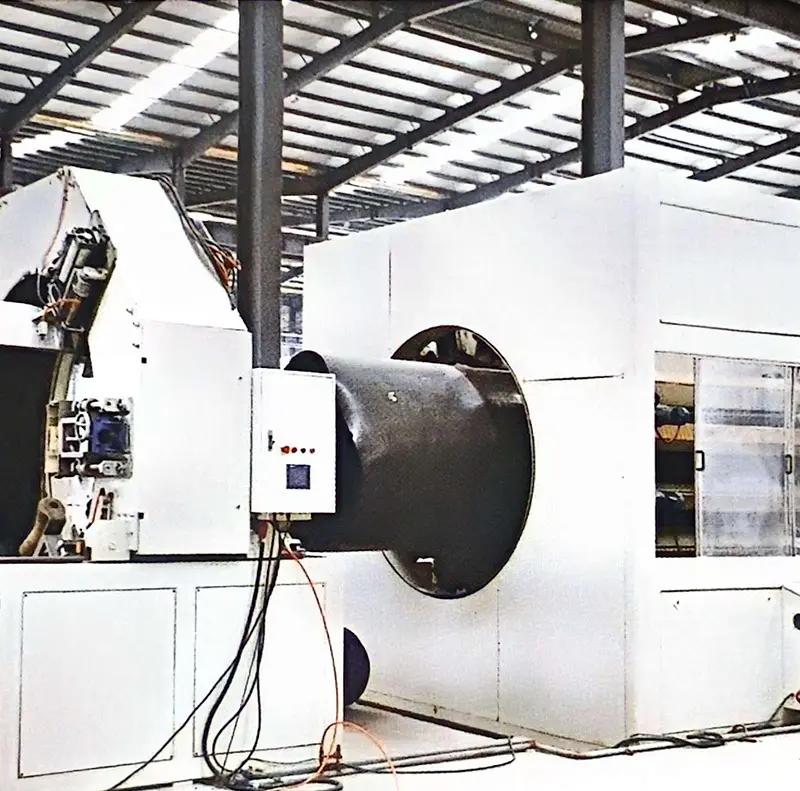
From advanced high-strength low-alloy (HSLA) formulations to standard carbon steel, Chinese manufacturers use automated rolling mills with real-time laser measurement systems. This advanced machinery guarantees consistent dimensions, flat outer surfaces, and reliable weld seams across high-volume production runs.
A legacy of precision manufacturing, engineering excellence, and future-focused environmental stewardship.

Shaanxi Kerlimar Engineers Co., Ltd. has served as a primary exporter of carbon steel, alloy steel, and stainless steel piping solutions. We produce seamless, straight-seam welded, and spiral-welded pipes alongside matching critical fittings. Our products strictly comply with ASTM, ASME, EN, and JIS standards, ensuring dependable performance in demanding operational environments.
Guided by our chairman, Mr. Ming SUN—a dedicated environmentalist and technological innovator—Kerlimar has expanded into clean energy technology since 2019. Recognizing the connection between heavy industrial manufacturing and climate change, the firm has developed new vertical axis wind power technologies. This research focuses on magnetic levitation systems, structural grid design, and floating offshore systems, securing over 40 patents authorized by the State Intellectual Property Office alongside multiple international PCT applications.
Awarded National High-Tech Enterprise status in December 2020. Recognized at the China-Finland High Technology Match Conference (June 2021) and awarded excellence at the 11th China Innovation and Entrepreneurship Competition (August 2022).
Invited to participate in the Dubai COP28 Conference in December 2023. Kerlimar integrates low-carbon manufacturing techniques into its steel piping production, directly supporting global temperature control goals.
Completed testing for 10kW-500kW vertical axis wind power units. These systems leverage highly efficient, low-cost structural steel frameworks to support rural revitalization and carbon reduction initiatives.
From architectural landmarks to renewable energy infrastructure: where precision steel shapes tomorrow.
Modern commercial high-rises rely on heavy-duty RHS sections for perimeter columns and structural outriggers. Standard sizes like 400x200mm are used to construct frames that withstand high wind loads and seismic activity.
Solar tracker mounting frames and structural towers for wind turbines require corrosion-resistant, high-strength rectangular profiles. These materials support stable long-term operation under variable environmental conditions.
Industrial cranes, agricultural equipment, and heavy-duty vehicle chassis depend on the torsional rigidity of rectangular steel tubes. These profiles handle dynamic loads and stresses without twisting or deformation.
Technical answers to common questions about rectangular hollow steel sections, manufacturing standards, and global logistics.
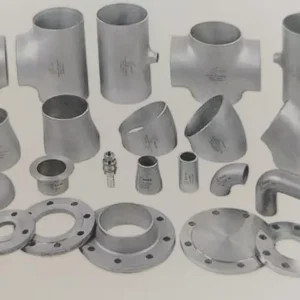
Premium grade structural sections, high-alloy pipelines, and precision-engineered butt-welded fittings.
 Kerlimar