Explore our core selection of industrial pipes, anti-corrosion solutions, and high-performance valves engineered for critical seamless flow control.
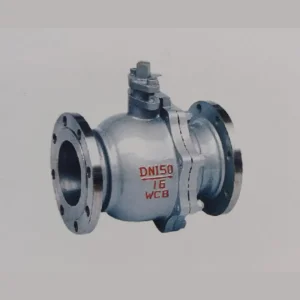
In large-scale modern pipeline operations, flow control mechanism sizing acts as the cornerstone of overall facility integrity. The 3-inch ball valve represents a ubiquitous standard size configuration globally, acting as the transition threshold between secondary instrumentation lines and major process transport pathways. This diameter class is heavily relied upon in chemical processing, municipal water distribution, natural gas transport, and refinery operations.
Technically specified as DN80, the 3-inch sizing balances high volumetric flow capacity with relatively manageable actuator torque requirements. This makes it an ideal fit for both manual operation via levers or gears, and automated system integration using pneumatic, electric, or hydraulic actuators. By choosing high-quality ball valves certified to international standards such as API 6D, ASME B16.34, and ISO 17292, modern industrial enterprises ensure negligible pressure drop, minimal maintenance costs, and exceptional lifespan parameters.
"Selecting the correct 3-inch ball valve involves balancing operational temperature ranges, media compatibility, pressure drop curves, and fugitive emission regulations. A reliable valve not only stops flow; it safeguards your entire pipeline infrastructure from catastrophic pressure shocks and dynamic surge losses."
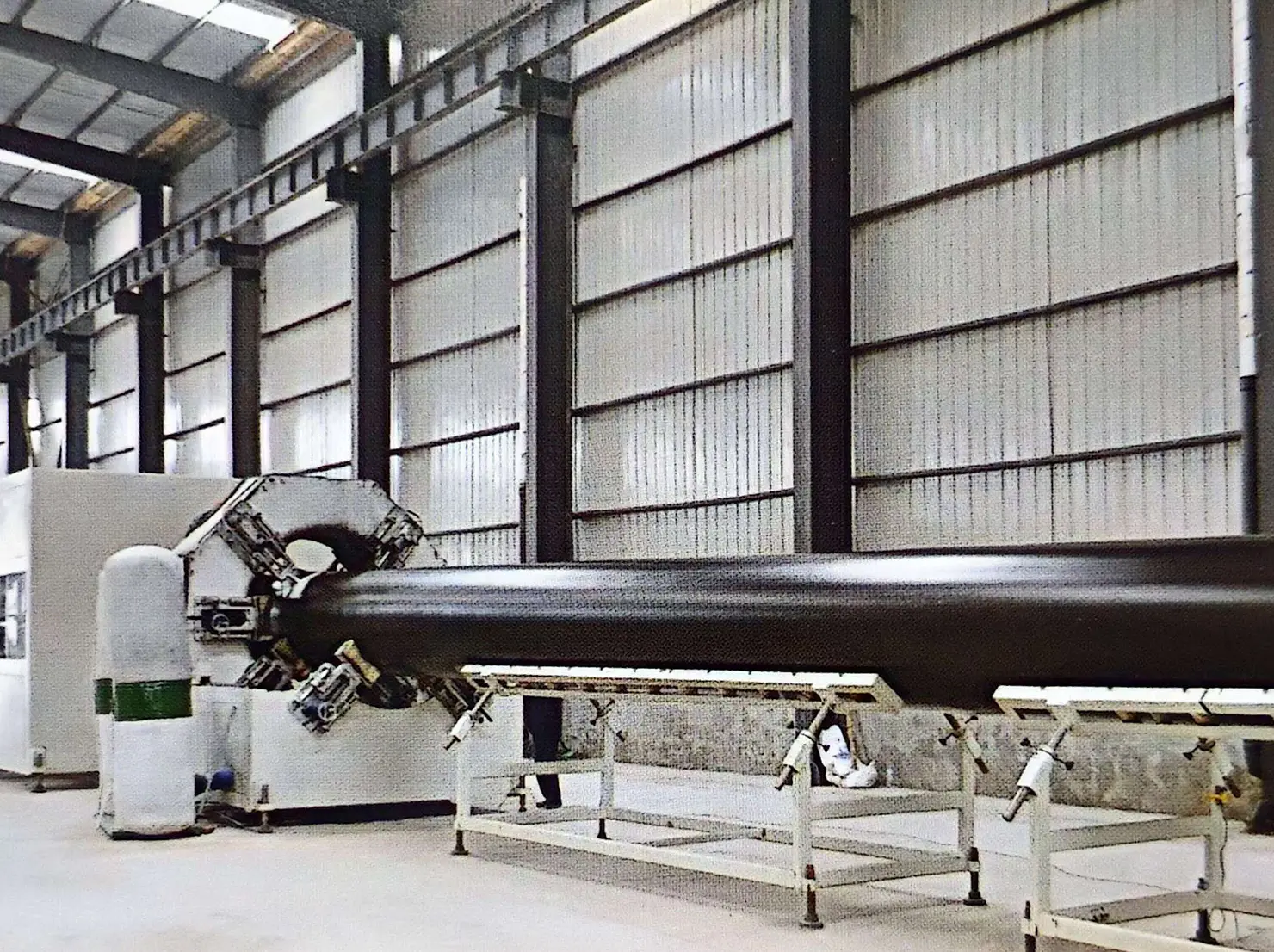
Established in 2003, Shaanxi Kerlimar Engineers Co., Ltd. has developed over two decades into an international trading powerhouse and manufacturing leader. We specialize in sourcing, customizing, and delivering structural carbon steel, alloy steel, and premium stainless steel pipes, matching butt-welding fittings, and robust flow-control valves for high-stress applications.
All products match rigorous standards including ASTM, ASME, EN, JIS, and DIN. This adherence ensures seamless integration across cross-border construction projects. Over our 21-year history, Shaanxi Kerlimar has prioritizing high quality, competitive pricing structures, exact delivery schedules, and responsive customer service. We bridge the gap between engineering needs and direct-from-factory metal supply lines.
Why modern global chemical, energy, and process industries are sourcing their 3-inch ball valve configurations from specialized industrial parks in China.
Chinese valve foundries utilize computer-aided modeling and automatic molding lines to produce valve body blanks of carbon steel (WCB, LCC) and stainless steel (CF8, CF8M, Duplex) with zero porosity and optimized grain flow structures, guaranteeing long-term pressure retention up to Class 1500.
Using multi-axis CNC tooling machines, factories achieve critical dimensional tolerances within micrometers for the ball and seat surfaces. This minimizes breakaway torque, maintains zero-leakage configurations, and prolongs soft seat (PTFE, RPTFE, PEEK) and metal-to-metal seating life.
From positive material identification (PMI) of incoming alloys to hydrostatic and pneumatic seat testing per API 598, Chinese factories offer documented traceability. They supply EN 10204 3.1 material test certificates for absolute compliance verification.
At Shaanxi Kerlimar Engineers Co., Ltd., corporate identity is defined by Mr. Ming SUN, our chairman, an environmentalist and strong advocate for environmental technologies. Under his leadership, the company expanded beyond traditional steel pipes and valves, directing R&D resources toward resolving the global bottlenecks associated with wind energy systems.
Since 2019, Kerlimar has driven clean energy initiatives, focusing on advanced vertical axis wind turbine design. We design improvements for magnetic levitation rails, land-based floating configurations, cable structures, and grid suspension mechanisms. With over 40 patents authorized by the State Intellectual Property Office and multiple international PCT applications, Kerlimar integrates heavy industrial steel capabilities with forward-thinking green solutions.
When specifying a 3-inch ball valve, engineers choose configurations based on the pressure envelope, seat material limits, flow media qualities, and mechanical stress profiles. Choosing incorrectly can lead to seat erosion, stem seal blowout, or premature actuator failure. Below are the key design structures:
In this classic model, the ball is suspended between two elastic seats. Under differential pressure, the ball shifts slightly downstream, pressing against the seat to form a tight seal. This design is highly cost-effective for Class 150 and Class 300 applications, but requires higher actuation torque under full pressure drop.
For high-pressure lines (Class 600 and above) or frequent cycling, a trunnion-mounted design is preferred. Here, the ball is anchored by a top stem and bottom pivot (trunnion). The line pressure pushes the floating seats against the ball, rather than moving the ball itself. This significantly reduces torque and extends seat wear life.
A full port 3-inch ball valve has an internal bore matching the pipeline's inside diameter (approx. 76-80mm), minimizing pressure drop and allowing pipeline pigging. A reduced port design has a smaller bore (usually 2-inch equivalent), reducing costs and weight in lines where flow restriction is acceptable.
Furthermore, selection extends to body materials. Carbon steel (such as ASTM A216 WCB) is standard for oil, gas, and non-corrosive hydrocarbons. In municipal water, steam, and food processing, stainless steel (ASTM A351 CF8/CF8M) is required. Severe services, such as offshore seawater pipelines or high-chloride environments, demand duplex steels (e.g., Duplex 2205) to resist pitting and stress corrosion cracking.

In December 2020, Shaanxi Kerlimar Engineers Co., Ltd. won national High-tech Enterprise certification, reinforcing our R&D capabilities. In June 2021, our technical team was invited to the China-Finland High Technology Match Conference to exchange structural and aerodynamic designs. Later, in August 2022, we participated in the 11th China Innovation and Entrepreneurship Competition, earning the Excellence Award.
In December 2023, Kerlimar was invited to participate in the Dubai COP28 Conference. Here, we shared our low-cost, highly reliable, and easily controlled 10KW-500KW vertical wind turbines. These technologies are developed to support rural energy transitions and help meet global carbon reduction targets.
Analyzing localized, high-stress use cases where DN80 flow-control equipment plays a critical role in system reliability.
Used at header manifolds, test separator inlets, and chemical injection lines. Carbon steel 3-inch ball valves with fire-safe designs (per API 607) ensure tight shut-off, preventing hydrocarbon leakages during emergency pipeline shut downs.
For reverse osmosis units and brackish water piping, 3-inch duplex stainless steel ball valves resist corrosion. They endure high chloride ions and high operational pressures without causing metal contamination.
In thermal control loops, 3-inch valves manage steam supply lines. Equipped with high-performance carbon-reinforced or metal-to-metal seats, they operate under high temperatures without sticking or suffering thermal expansion lockups.
For industrial procurement departments, purchasing 3-inch ball valves requires a structured technical evaluation. Sourcing on purchase price alone can lead to premature failure in the field. When issuing requests for quotes (RFQs), ensure your specifications cover these four pillars of valve procurement:
Get professional answers to common questions about selecting, maintaining, and sourcing 3-inch ball valves.
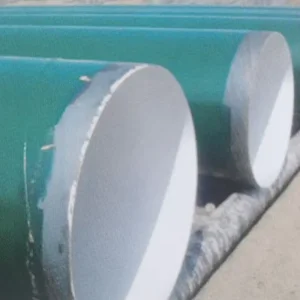
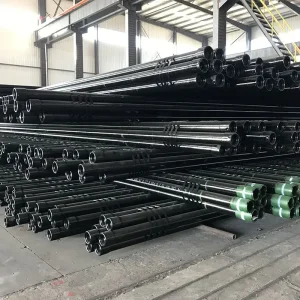
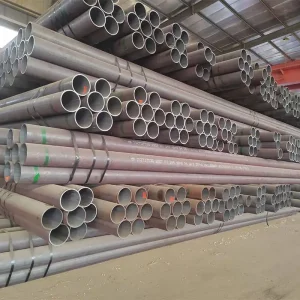
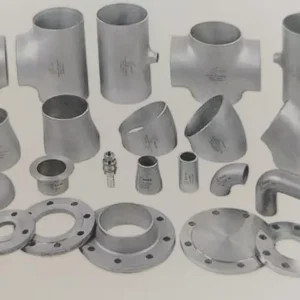
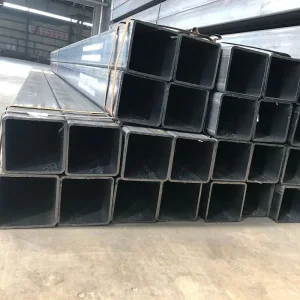
Complement your valve installations with our line of seamless steel pipes, butt-weld fittings, and API-certified tubing solutions.
 Kerlimar