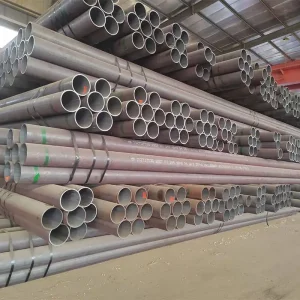
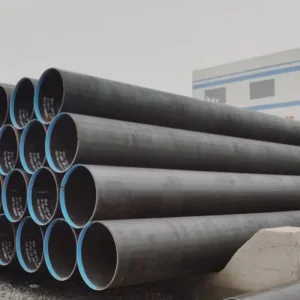
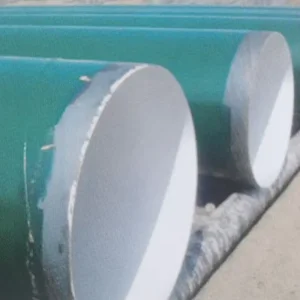
In the world of high-performance metallurgy, 316H Stainless Steel (UNS S31609) represents the pinnacle of high-temperature austenitic steel engineering. Unlike its low-carbon sibling 316L, which is optimized for welding-induced corrosion resistance, the "H" grade is specifically designed with a controlled carbon content of 0.04% to 0.10%. This precise chemical balance provides superior creep strength and higher tensile strength at temperatures exceeding 500°C (932°F).
As a leading 316H stainless steel pipe manufacturer, Shaanxi Kerlimar Engineers Co., Ltd. recognizes that industrial infrastructure in the 21st century demands more than just material supply; it requires technical reliability. Our pipes are utilized in environments where grain size stability and resistance to thermal deformation are not just preferences, but safety mandates. From petrochemical refineries to ultra-supercritical power plants, 316H remains the backbone of heat-intensive operations.
Controlled high carbon content ensures that the alloy maintains structural integrity under constant stress at elevated temperatures, preventing long-term deformation.
Exceptional metallurgical stability in temperatures up to 800°C, making it ideal for boilers, heat exchangers, and condenser systems.
Fully compliant with ASTM A312, ASME SA312, and EN 10216-5, ensuring seamless integration into international engineering projects.
Established in 2003, Shaanxi Kerlimar Engineers Co., Ltd. has evolved from a specialized pipe supplier into a global leader in industrial solutions. We provide a comprehensive range of carbon steel, alloy steel, and high-grade stainless steel pipes, including seamless, ERW, and spiral welded variants.
Our commitment to E-E-A-T principles is reflected in our 40+ authorized patents and our recognition as a national High-tech Enterprise. Under the visionary leadership of Mr. Ming SUN, we have integrated environmental stewardship with technological innovation, participating in prestigious global forums like COP28 in Dubai.

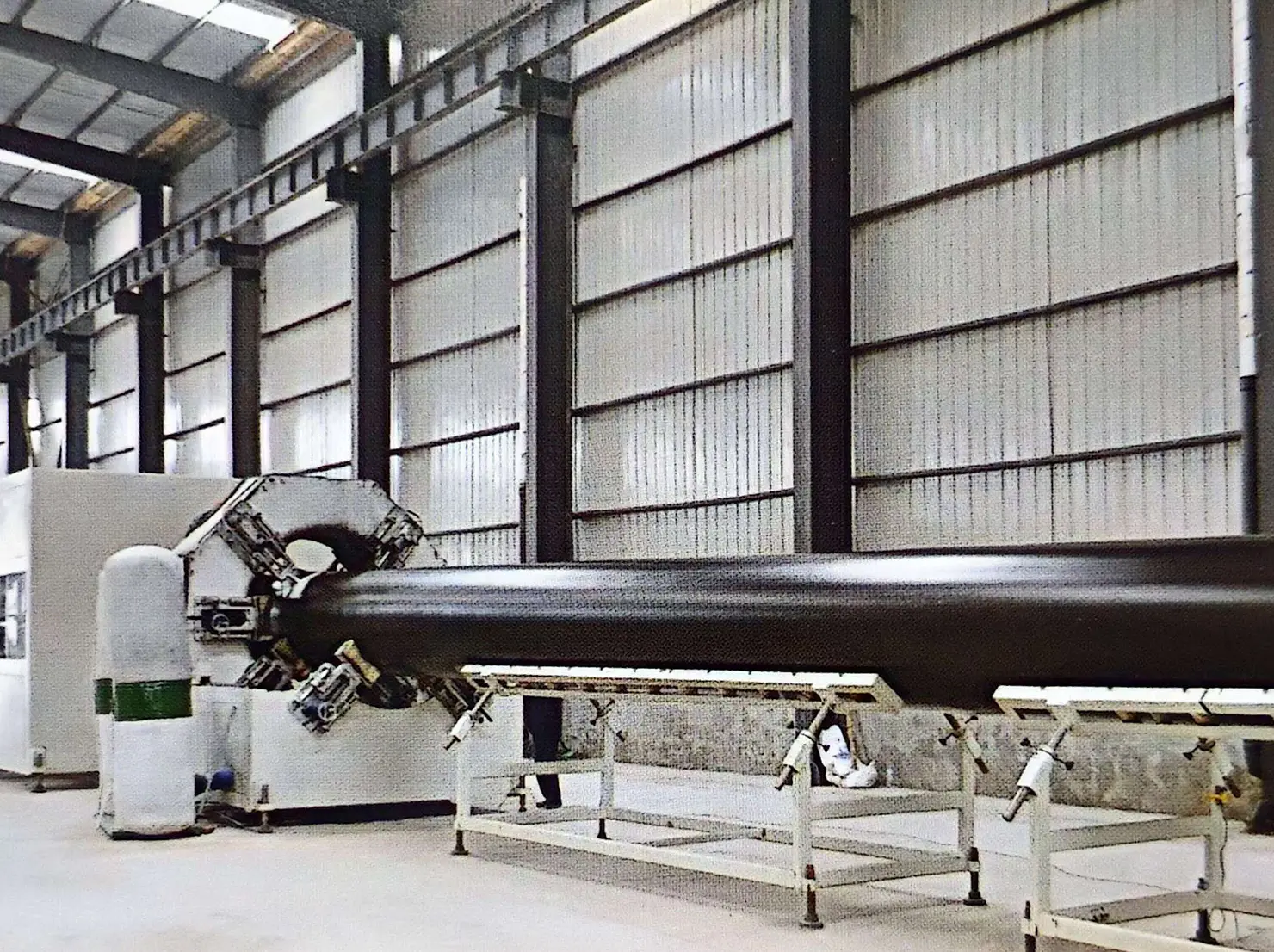
The global demand for 316H stainless steel pipes is currently witnessing a CAGR of 5.4%, driven primarily by the "Energy Transition" era. As nations move toward more efficient coal-fired plants (Ultra-Supercritical) and advanced nuclear reactors (Gen IV), the necessity for materials that can withstand high-pressure/high-temperature (HPHT) cycles is paramount.
Used in primary cooling loops where the pipe must resist neutron irradiation and maintain strength at 600°C+.
Crucial for catalytic cracking units and hydroprocessing, where sulfur-rich environments meet extreme heat.
Integral to molten salt piping in solar thermal plants, handling the corrosive and thermal shocks of thermal storage media.
The future of 316H stainless steel pipes lies in the intersection of Nanotechnology and Sustainable Manufacturing. Shaanxi Kerlimar is currently pioneering a technical roadmap that focuses on three key pillars:
Integration of Real-time Ultrasonic Monitoring (RUM) during the extrusion process to ensure zero-defect crystal lattice structures.
Development of "Green Stainless Steel" using 100% recycled scrap melted in hydrogen-powered electric arc furnaces.
Smart Piping Systems: Embedding fiber-optic sensors within the 316H pipe walls to monitor stress and temperature in real-time via 6G networks.
Our participation in the China Innovation and Entrepreneurship Competition and our Excellence Award underscore our capacity to lead these changes. We are not just following trends; we are setting the standard for the next generation of industrial productivity.
Beyond piping, Shaanxi Kerlimar Engineers Co., Ltd. is solving global challenges. As a strong advocate for the 1.5°C global temperature control target, we are pivoting our metallurgical expertise into the wind energy sector. Our new Vertical Axis Wind Turbine (VAWT) technology, supported by over 40 patents, aims to solve the bottlenecks of traditional wind power.
This macro-solution integrates high-performance steel structures with magnetic levitation and rail technologies, providing rural revitalization and contributing to the "Double Carbon" goals. When you choose Kerlimar, you are partnering with a company that views industrial supply through the lens of global sustainability.
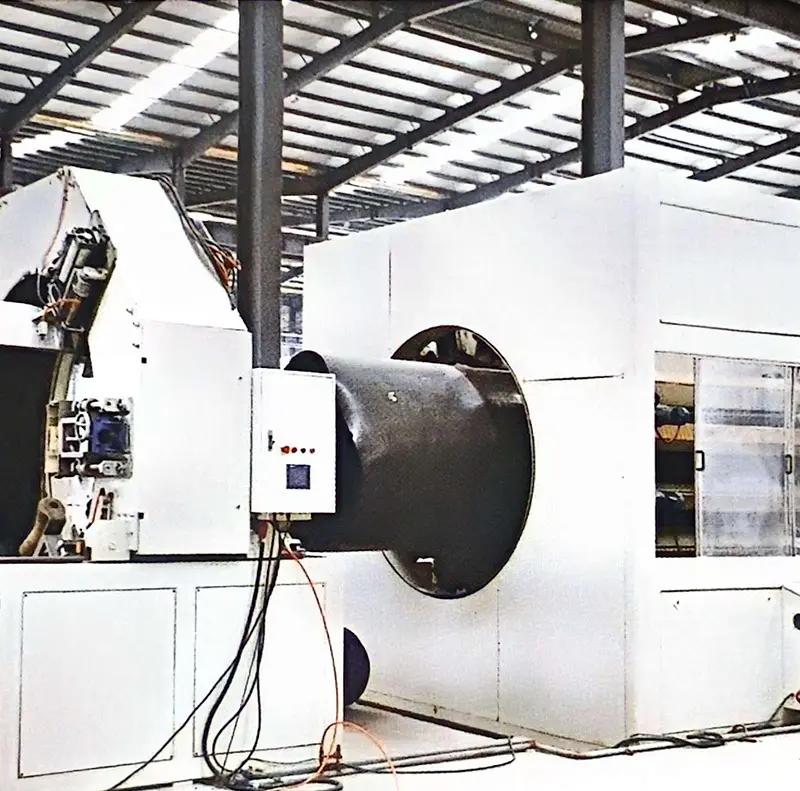
Shaanxi Kerlimar Engineers Co., Ltd. – Leading the Future of Steel Engineering Since 2003.
Download Whitepaper (PDF) Kerlimar