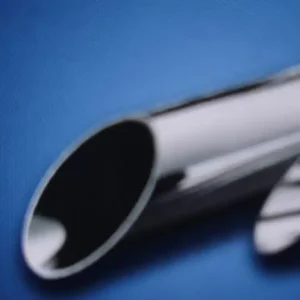
In the realm of industrial piping, the 2 Inch 316 Stainless Steel Pipe represents a critical equilibrium between structural integrity, hydraulic efficiency, and long-term chemical stability. As global industries shift toward more corrosive environments—driven by offshore energy extraction, advanced pharmaceutical synthesis, and desalination—the demand for molybdenum-bearing austenitic steels has reached unprecedented heights.
China, as a global manufacturing powerhouse, has evolved from high-volume production to precision-engineered high-EEAT manufacturing. Manufacturers today leverage advanced vacuum oxygen decarburization (VOD) and continuous casting techniques to ensure that every 2-inch pipe meets rigorous ASTM A312 or ASME SA312 standards. This section explores why the 316 grade is the non-negotiable choice for modern infrastructure.
316 stainless steel contains 2-3% Molybdenum, which drastically improves resistance to localized chloride attack (pitting) compared to 304 grade, making it essential for marine and coastal applications.
Designed to operate effectively in temperatures ranging from cryogenic levels up to 800°C, ensuring performance in high-heat chemical processing units.
While the initial investment is higher than carbon steel, the negligible maintenance requirements and 50+ year lifespan provide superior ROI for global enterprises.
The competitive advantage of sourcing 2 Inch 316 SS pipes from China is no longer just about price. It is about the integration of the entire supply chain, from raw material smelting to precision finishing and global logistics.
Chinese factories like Shaanxi Kerlimar Engineers offer tailored solutions, from custom wall thicknesses (Schedule 10s to 80s) to specific surface polishes (Mirror, Satin, or Pickled).
Adherence to international standards including ASTM, ASME, EN, and JIS is standard. API 5L and ISO 9001 certifications ensure that quality control is embedded in every weld and extrusion.
Recent shifts toward "Green Steel" manufacturing have reduced the carbon footprint of production, aligning with global ESG (Environmental, Social, and Governance) requirements.
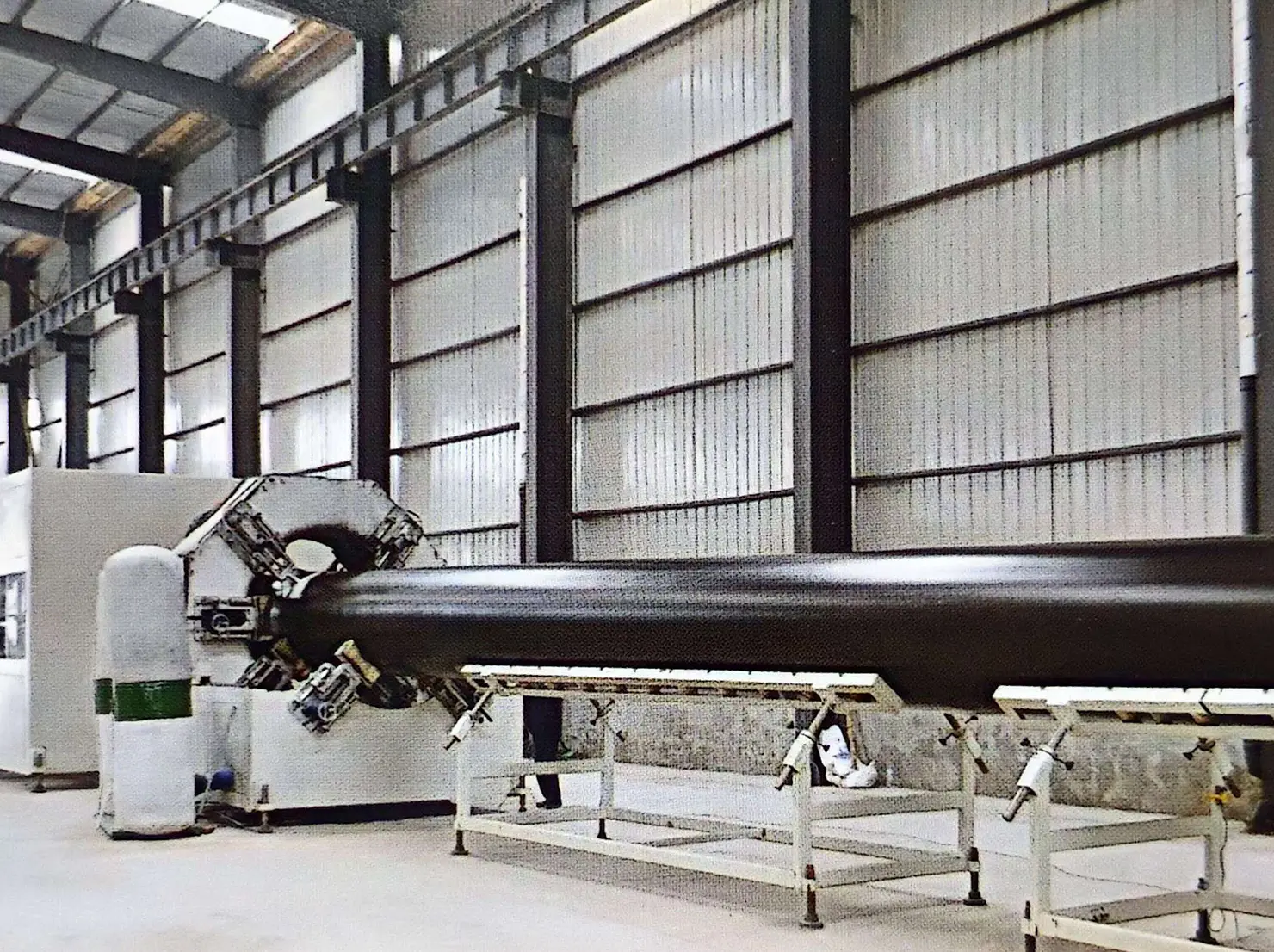
Established in 2003, Shaanxi Kerlimar Engineers Co., Ltd. has been a cornerstone in the international trade of industrial piping. Specializing in carbon steel, alloy steel, and high-performance 316 stainless steel, we provide seamless, straight seam welded, and spiral welded solutions that define modern engineering.
Under the leadership of Mr. Ming SUN, a strong environmentalist, we prioritize climate change mitigation. Since 2019, we have expanded into clean energy, developing vertical axis wind power technologies with over 40 authorized patents.
Recognized as a National High-tech Enterprise, we have participated in the China-Finland High Technology Match and won awards at the China Innovation and Entrepreneurship Competition. Our 10KW-500KW wind units are pioneering rural revitalization and carbon-neutral goals.

Global procurement teams in the EPC (Engineering, Procurement, and Construction) sector require more than just a product; they require a total supply chain solution that mitigates risk and ensures project timelines.
| Application Sector | Specific Utility of 2" 316 Pipe | Macro Benefit |
|---|---|---|
| Marine & Offshore | Desalination units & deck piping. | Resistance to saltwater corrosion prevents catastrophic leaks. |
| Pharmaceutical | Sanitary fluid transport. | High purity levels prevent product contamination. |
| Oil & Gas | Control lines & chemical injection. | Durability in high-pressure hydrogen sulfide environments. |
| Renewable Energy | Hydrogen transport & cooling systems. | Supports the global transition to clean energy (Double Carbon Goal). |
Integration of AI and IoT in pipe manufacturing allows for real-time monitoring of wall thickness and weld integrity, ensuring 0% defect rates.
The rise of prefabricated pipe spools where 2-inch 316 pipes are pre-welded into modules in China and shipped globally for rapid assembly.
316 Stainless Steel is 100% recyclable. Future trends focus on the "Circular Steel Economy," reducing the ecological footprint of large-scale infrastructure.
 Kerlimar