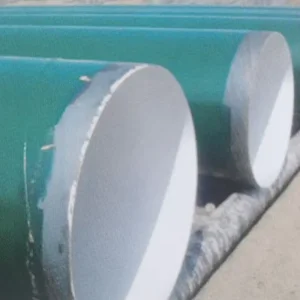
Direct sourcing channels for high-precision, API-certified, and corrosion-resistant pipeline products manufactured under strict global industry directives.
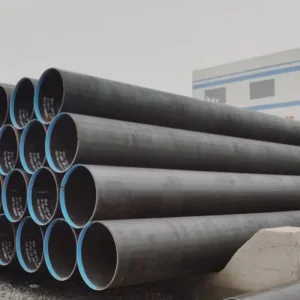
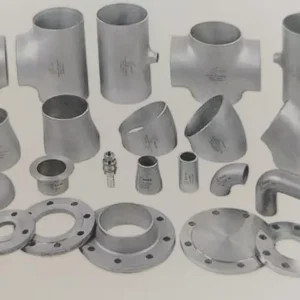
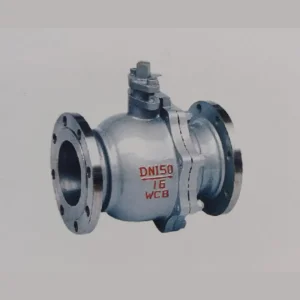
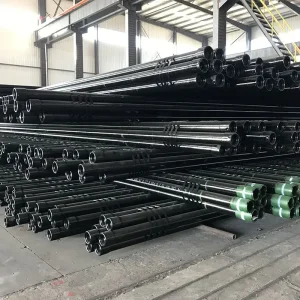
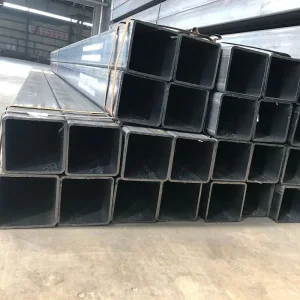
Modern industrial processing plants operate under aggressive thermodynamic and chemical environments. The transport of corrosive media—such as strong acids, alkaline mixtures, saline slurries, and active hydrocarbons—presents severe challenges to metallurgical integrity. Carbon steel, while widely appreciated for its exceptional tensile strength, pressure containment capabilities, and structural reliability, is inherently vulnerable to localized and uniform corrosion when in contact with reactive substances.
To address this challenge without incurring the prohibitive cost of exotic solid alloys (such as Hastelloy, Titanium, or Monel), the process industries rely heavily on Carbon Steel Lined Pipes. By merging the mechanical robustness of an outer carbon steel shell with the chemical inertness of internal lining materials (such as PTFE, PFA, PP, PVDF, and specialty elastomeric compounds), engineers achieve a cost-effective, high-integrity containment system. The global demand for these systems is driven by expanding operations in petrochemical manufacturing, deep-well oil and gas extraction, municipal and industrial wastewater purification, and thermal power plant desulfurization installations.
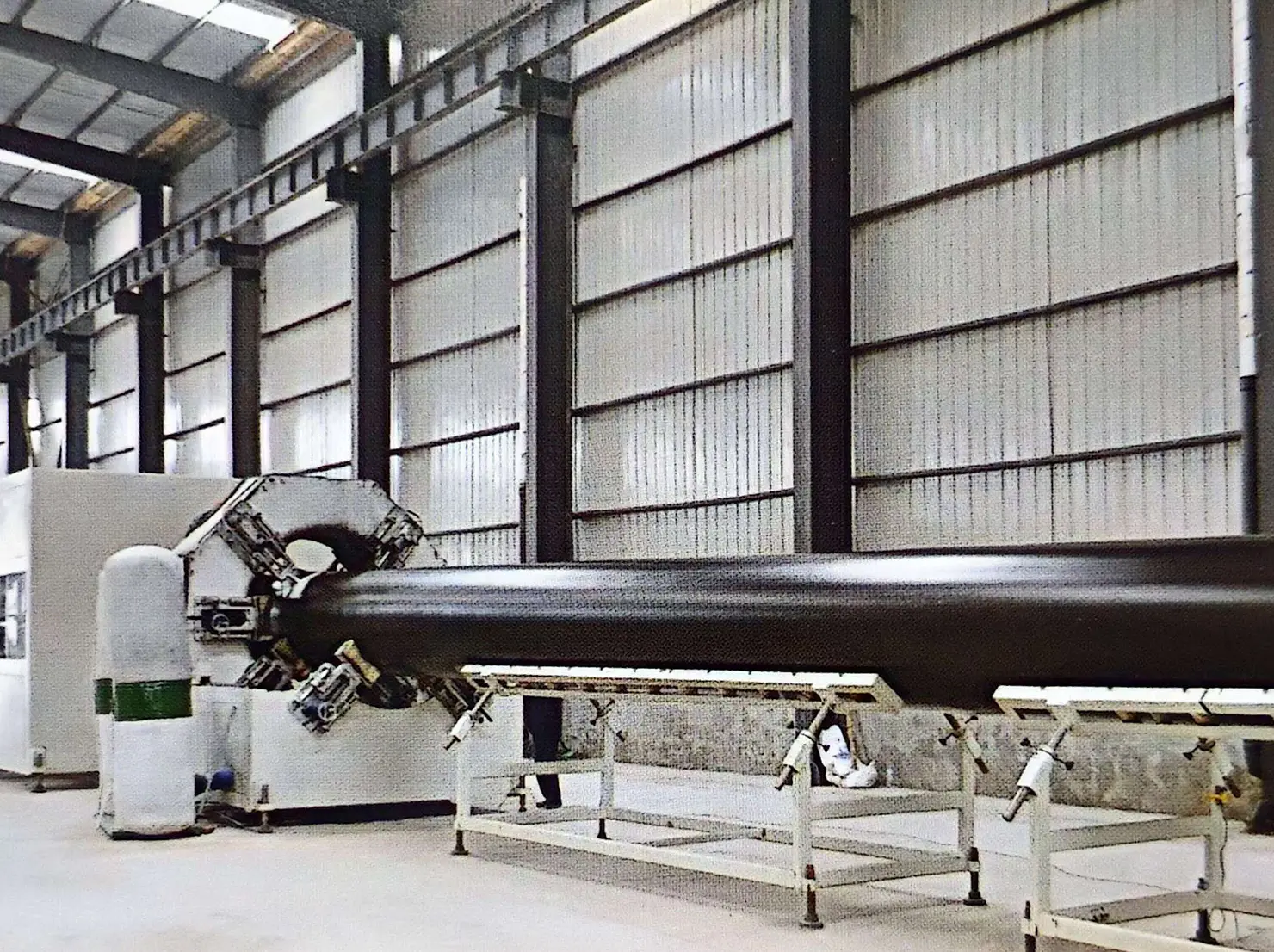
A Distinguished Legacy of Metallurgical Trading, International Engineering Standards, and Clean Tech Innovations
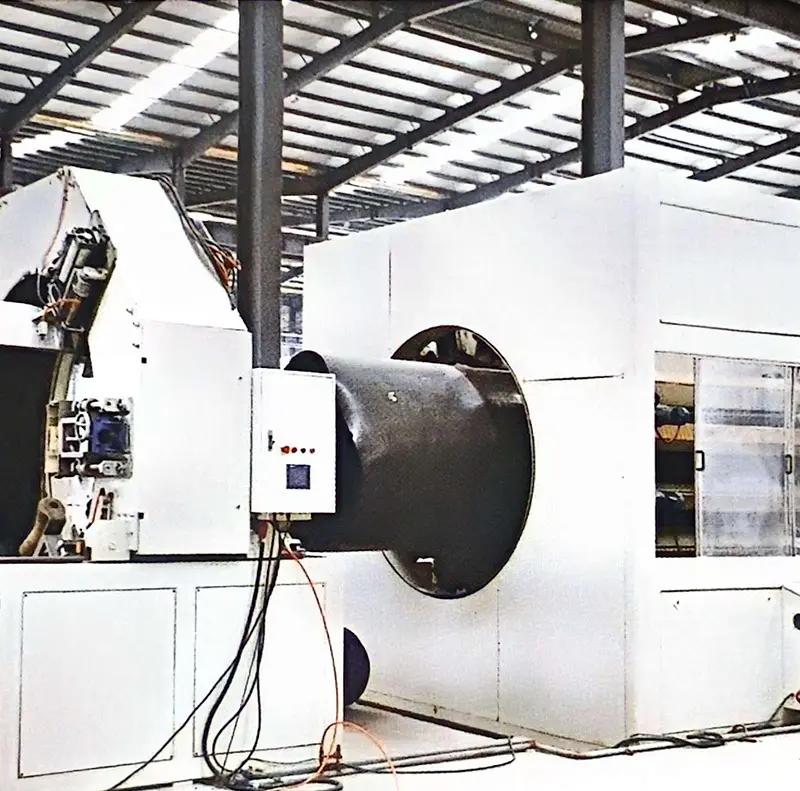
Established in 2003, Shaanxi Kerlimar Engineers Co., Ltd. has developed over two decades of experience in the international trade and structural supply of industrial pipelines. Specializing in carbon steel, alloy steel, and stainless steel materials, the company delivers high-precision solutions including seamless pipes, straight-seam welded pipes (ERW), spiral welded pipes (SSAW), and high-integrity matching pipe fittings. Shaanxi Kerlimar ensures all manufacturing is conducted in strict compliance with globally accepted standards, including ASTM, ASME, EN, and JIS.
Beyond our core metallurgical supply chains, the leadership under Chairman Mr. Ming SUN has pioneered sustainability initiatives. Actively engaged in climate mitigation, our engineering R&D divisions have developed vertical axis wind turbine designs, magnetic levitation rail systems, and land-floating grid configurations. Having secured more than 40 national patents and multiple international patent validations, Kerlimar continuously bridges heavy industrial capability with progressive green engineering.
Achieving optimal chemical compatibility and structural resilience through precision engineering.
Polytetrafluoroethylene (PTFE) and Perfluoroalkoxy (PFA) linings offer chemical resistance across a pH range of 0 to 14. These fluoropolymers maintain physical stability at service temperatures up to 260°C (500°F). Our lining process utilizes isotropic, thick-walled liners to prevent permeation and withstand vacuum conditions without collapsing inside the carbon steel body.
The structural integrity of our piping systems is based on ASTM A106 Grade B seamless carbon steel for high-pressure configurations, or ASTM A53 / API 5L steel for transport lines. The steel tubing acts as the pressure containment vessel, capable of operating at ASME Class 150, 300, and 600 pressure ratings, while the liner isolates the corrosive media.
A critical engineering challenge in lined piping is the thermal expansion rate variance between carbon steel and fluoropolymers. Our manufacturing processes utilize specialized mechanical bonding, radial compression, and thermal locking techniques. These ensure the liner and the steel casing expand and contract in unison, preventing flange face shearing and buckling.
Every carbon steel lined pipe, fitting, and valve assembly undergoes rigorous quality control to ensure zero permeability. This includes high-voltage electrostatic spark testing (typically 10kV to 25kV) to detect pinholes or micro-voids in the polymer liner. Additionally, hydro-testing at 1.5 times the design pressure guarantees mechanical integrity, while helium leak detection is applied to highly critical gaseous systems.

Why sourcing from Chinese integrated steel mills and fabrication units offers commercial and technical value.
China's steel fabrication sector offers significant supply chain integration benefits. By combining steel melting, hot-rolling, tube welding (ERW, SSAW), thermal treatment, and lining operations within regional hubs, China-based manufacturers minimize transport delays and optimize material costs. Shaanxi Kerlimar leverages these localized networks to supply high-quality pipelines at competitive prices.
"Our pipelines undergo rigorous dimensional inspections according to ASME B16.5 and ASME B16.9. These standards guarantee that matching carbon steel lined elbows, tees, reducers, and instrumentation spacers align correctly in field layouts, preventing installation issues and thermal stress build-up."
Critical operating environments requiring high pressure capacity and corrosion protection.
From sulfuric and hydrochloric acid transport to organic solvent processing, lined piping systems provide safety and reliability in chemical plants. By using inert fluoropolymers, these systems isolate corrosive media from the pressure-bearing carbon steel shell, preventing corrosion and potential catastrophic failures.
Chloride ions in seawater can rapidly corrode standard carbon and stainless steel structures. Lined piping offers a robust solution for intake systems, filtration configurations, and reject brine lines in desalination plants, providing the structural strength of steel with the corrosion resistance of an internal polymer barrier.
Mining operations often handle abrasive, highly acidic slurries that cause joint abrasive-corrosive wear. Carbon steel lined with high-density polyethylene (HDPE) or polyurethane provides the impact resistance needed for abrasive transport, while protecting the metallic outer shell from acidic corrosion.
Answers to common engineering, design, and procurement questions from pipeline operators and procurement managers.
Explore our complete range of anti-corrosion, insulated, and specialty tubing solutions for global industrial systems.
 Kerlimar