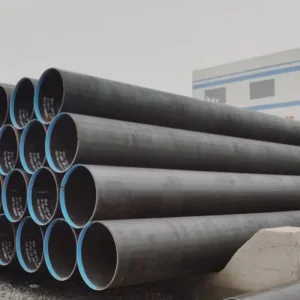
In the current global industrial landscape, Seamless Steel Pipes represent the backbone of critical infrastructure, ranging from high-pressure oil exploration to complex mechanical engineering. Unlike welded pipes, seamless pipes are manufactured through a rigorous extrusion or rotary piercing process, resulting in a homogenous steel structure that can withstand significantly higher pressure, temperature, and corrosive stress. As a leading China Seamless Steel Pipe manufacturer, Shaanxi Kerlimar Engineers Co., Ltd. addresses the surging global demand for reliability in harsh environments.
The global market is currently witnessing a transition toward "High-Performance Piping." Key sectors such as the Energy Sector (Oil & Gas), Nuclear Power, and Renewable Energy infrastructure are no longer seeking just "pipes," but "integrated pipeline solutions." This includes a demand for superior material chemistry (carbon, alloy, and stainless steel) that meets stringent international standards like ASTM, ASME, EN, and JIS.
China's role has evolved from a volume-based supplier to a high-end technological partner. The "Information Gain" in modern procurement lies in understanding how metallurgical advancements—such as controlled cooling and precision cold-drawing—enable thinner wall thicknesses without sacrificing structural integrity, thereby reducing the total cost of ownership (TCO) for global EPC (Engineering, Procurement, and Construction) firms.
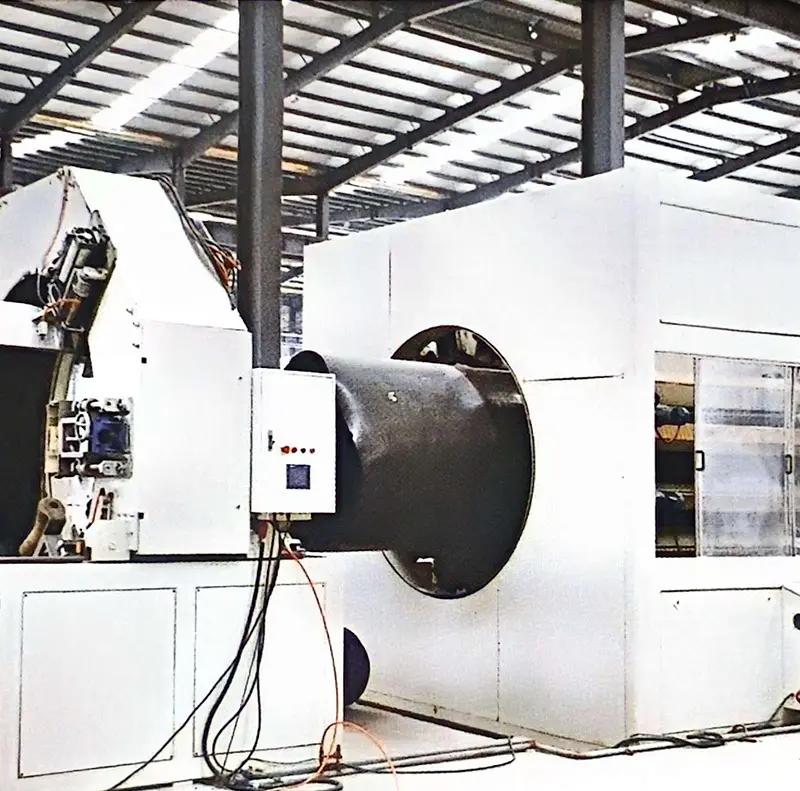
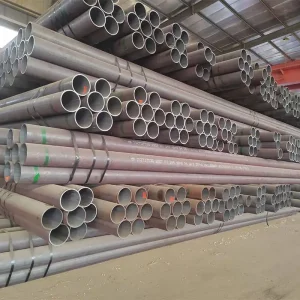
Utilizing vacuum degassed steel and continuous casting methods to ensure zero internal defects. Our seamless pipes offer superior concentricity and uniform grain structure, essential for high-stress applications.
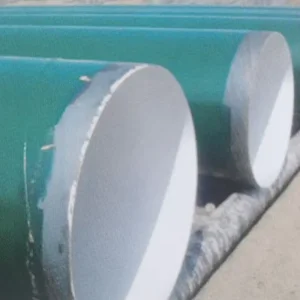
Integration of 3PE, FBE, and specialized internal coatings. We solve the "internal rust" bottleneck in long-distance offshore and onshore fluid transportation.
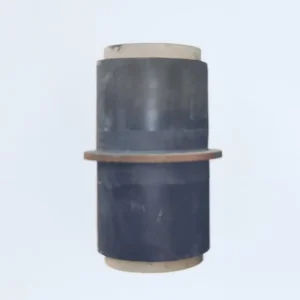
Our proprietary thermal insulation pipes (seamless) prevent energy loss in geothermal and steam transportation, aligning with global Net-Zero carbon goals.
Every pipe undergoes Non-Destructive Testing (NDT), including ultrasonic and eddy current testing, ensuring 100% compliance with ASTM A106, A53, and API 5L specifications.
Established in 2003, Shaanxi Kerlimar Engineers Co., Ltd. has spent over two decades mastering the art of steel fabrication. Our chairman, Mr. Ming SUN, a visionary environmentalist, has steered the company toward a unique intersection of heavy industry and sustainable technology.
In 2019, we expanded our R&D into clean energy technology, focusing on vertical axis wind power. This diversification isn't just about energy; it's about applying our expertise in high-strength seamless structures (maglev rails, suspension cables, and floating land structures) to solve the world's most pressing environmental challenges. With over 40 patents and recognition as a "National High-Tech Enterprise," we are redefining what it means to be a China Seamless Steel Pipe manufacturer.
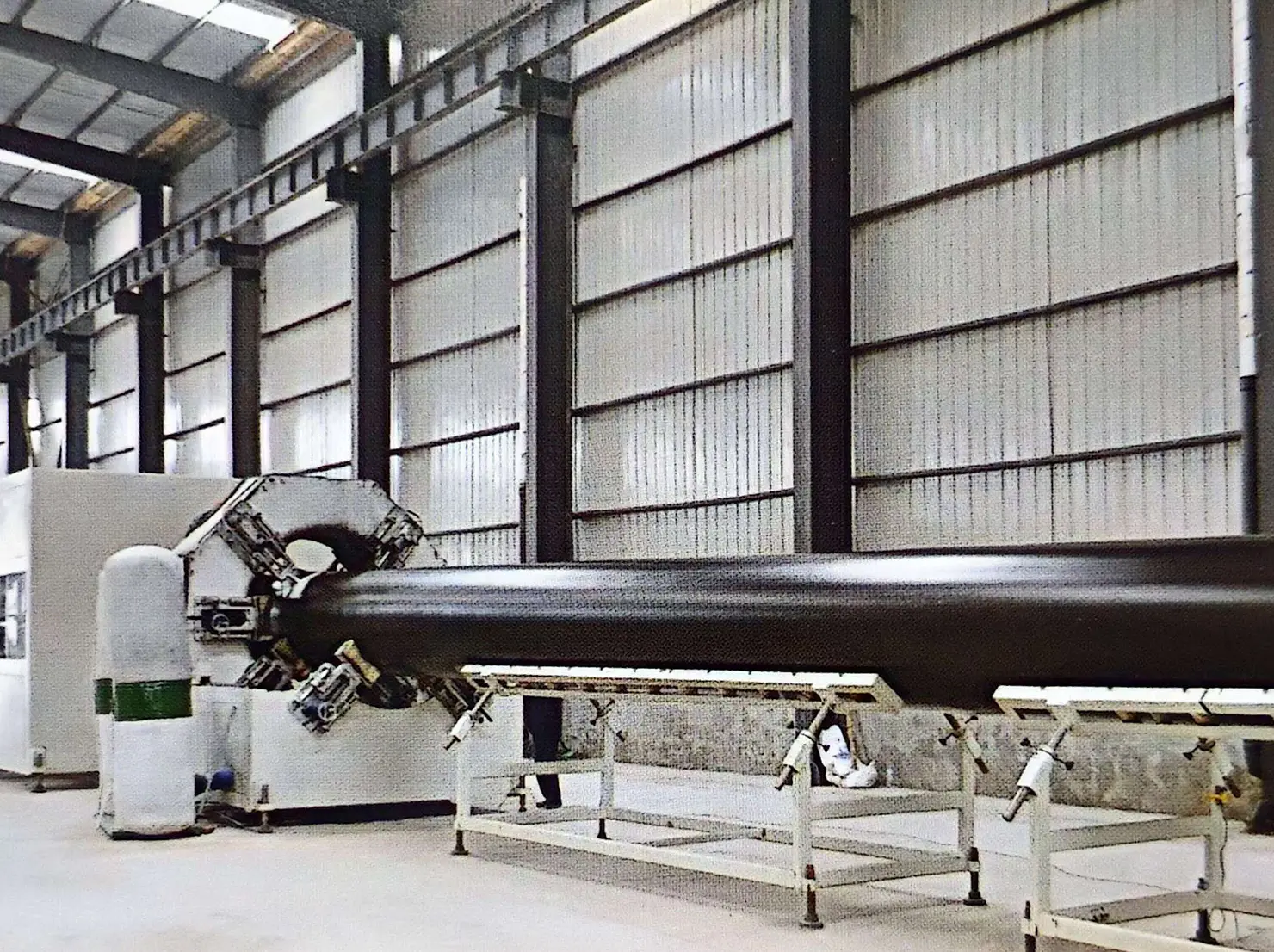
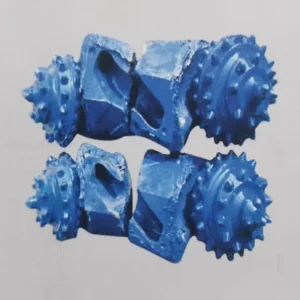
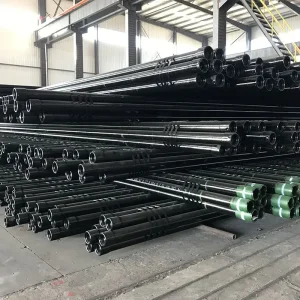
Providing API 5CT tubing and casing. Our products support deep-well drilling operations with high collapse resistance and premium gas-tight connections.
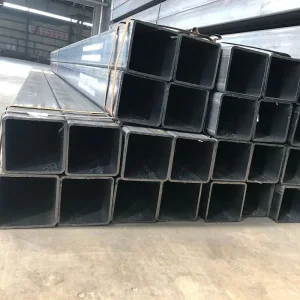
Supply of large-diameter SSAW and ERW pipes for piling, bridge construction, and municipal water systems where structural reliability is non-negotiable.
Thermal control and anti-corrosion solutions for district heating and LNG transport, reducing heat loss by up to 30% compared to traditional insulation.

Navigating international trade in the steel industry requires more than just manufacturing; it requires a deep understanding of local compliance and certification. At Shaanxi Kerlimar, we ensure every shipment is accompanied by Mill Test Certificates (MTC) to EN 10204 3.1 or 3.2.
We provide localized technical support, assisting engineers in selecting the correct grade—whether it’s carbon steel for cost-effectiveness or high-alloy stainless steel for extreme chemical resistance.
The industry is moving toward "Green Steel" and hydrogen-ready pipelines. Shaanxi Kerlimar is currently researching seamless pipes optimized for hydrogen transport, which requires low-carbon steel with specific microstructures to prevent hydrogen embrittlement. This is the new productivity that will drive the 21st-century energy transition.
 Kerlimar