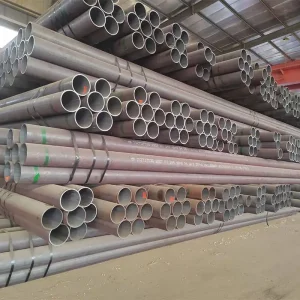
In the evolving landscape of global industrial infrastructure, 317L Stainless Steel Pipe stands as a critical component for operations involving highly corrosive media. Unlike standard 304 or 316 grades, 317L (UNS S31703) is a low-carbon, molybdenum-bearing austenitic stainless steel that offers significantly enhanced resistance to chemical attack. With a molybdenum content ranging from 3% to 4%, it provides superior resistance to pitting and crevice corrosion, particularly in environments rich in chlorides and sulfuric compounds.
The "L" designation signifies "Low Carbon" (max 0.03%), which is vital for preventing sensitization during welding. This characteristic ensures that the 317L pipe retains its integrity and corrosion resistance in the heat-affected zone (HAZ), making it the preferred choice for large-scale onsite fabrication in chemical processing plants.
The Pitting Resistance Equivalent Number (PREN) for 317L typically ranges between 28-33, compared to 23-26 for 316L. This ~20% increase in protection allows for longer lifecycle performance in flue gas desulfurization (FGD) systems.
317L exhibits higher creep, stress-to-rupture, and tensile strength at elevated temperatures compared to conventional stainless steels, ensuring structural reliability up to 450°C (842°F).
Highly effective against phosphoric acid, sulfurous acid, and naphthenic acids, making it indispensable for modern refinery upgrades and pharmaceutical synthesis.
As global energy demand shifts toward sour crude processing, the need for 317L pipes has spiked. They handle polythionic acid stress corrosion cracking (PASCC) far better than 300-series alloys, preventing catastrophic failures in hydrocracker units.
In paper mills, chloride-intensive bleaching stages (C-D-E-D-ED) create localized corrosion zones. 317L's higher molybdenum content protects digesters and piping from the aggressive oxidizing environments found in modern circular economy paper production.
With IMO 2020 regulations, marine scrubbers require materials that can withstand sulfuric acid condensate. 317L is the primary alloy selected for scrubber internal piping due to its cost-to-performance ratio compared to nickel-base alloys.
Established in 2003, Shaanxi Kerlimar Engineers Co., Ltd. has long been a pillar in international trade, specializing in high-performance piping solutions including 317L stainless steel, carbon steel, and alloy steel. Following ASTM, ASME, EN, and JIS standards, we ensure that every seamless and welded pipe meets the most stringent international quality benchmarks.
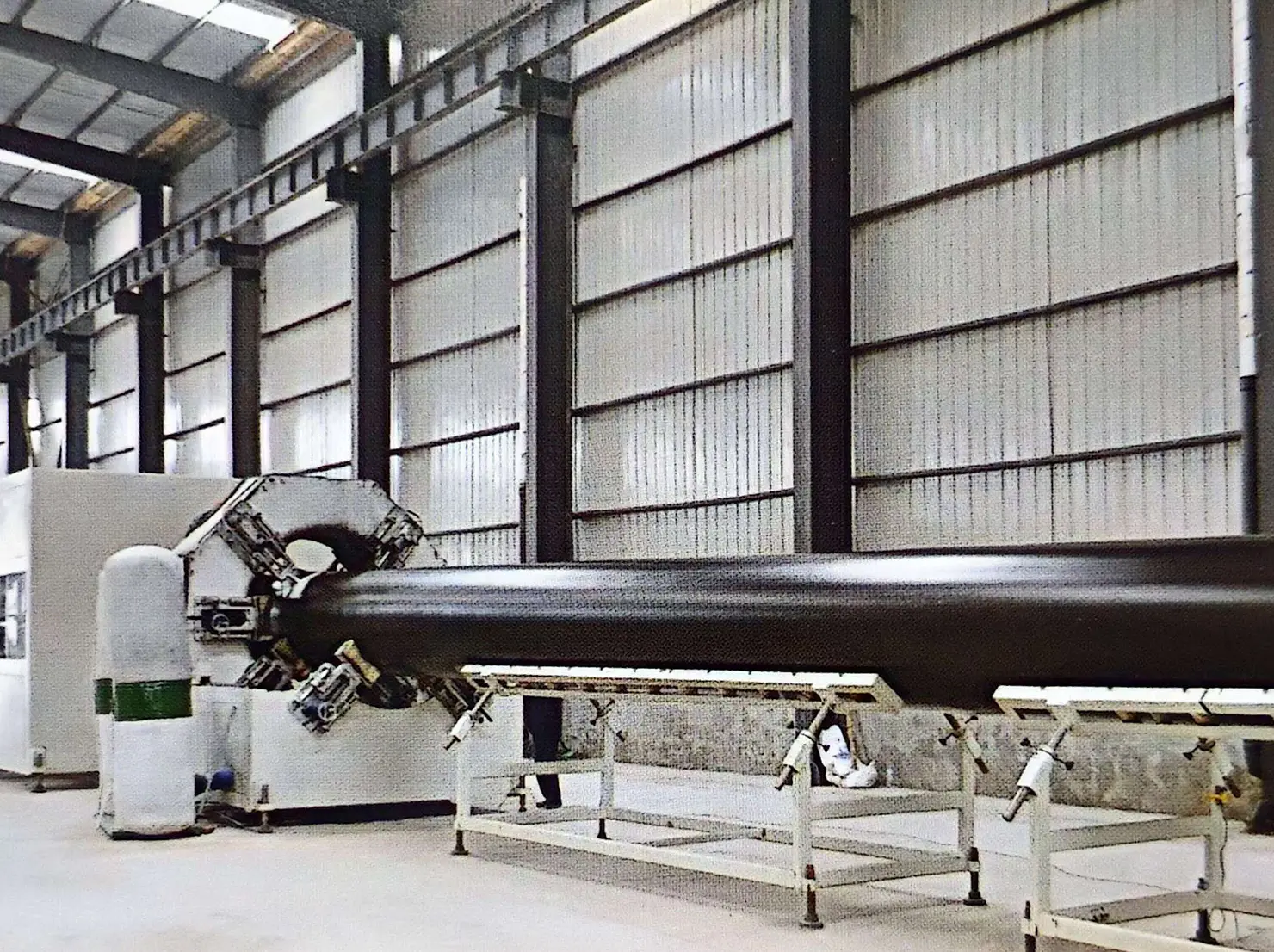
Under the leadership of Mr. Ming SUN, a visionary environmentalist, Kerlimar has integrated technological innovation with environmental protection. From new vertical axis wind power research to high-performance metallurgy, we lead the way in sustainable industrial growth.
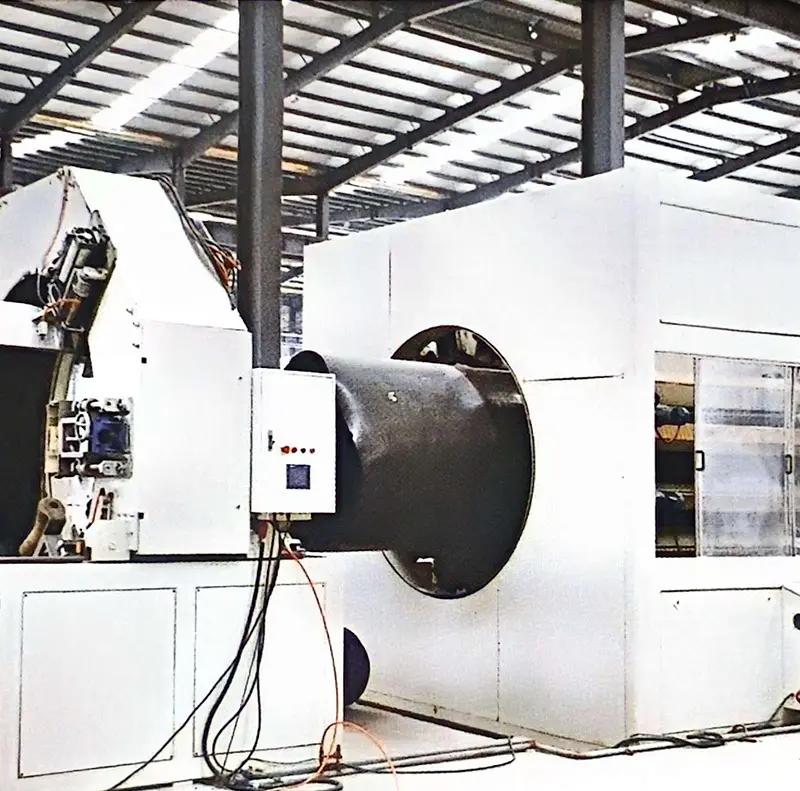
A national High-tech Enterprise since 2020, we have been recognized at the China-Finland High Technology Match Conference and the Dubai COP28 Conference. Our commitment is to control global temperature rise below 1.5°C through clean energy and efficient industrial materials.

Participating in the "thousands of the wind action," Kerlimar provides high-reliability, low-cost units and advanced piping for rural revitalization and society's double-carbon goals.
The future of 317L stainless steel piping lies in the "Ultra-High Purity" smelting techniques. By utilizing Vacuum Induction Melting (VIM) and Argon Oxygen Decarburization (AOD), manufacturers can further reduce trace impurities like Phosphorus and Sulfur, pushing the boundaries of corrosion resistance even further.
Implementation of AI-driven non-destructive testing (NDT) to identify micro-voids in 317L welds before they leave the factory.
Integration of IoT sensors within the pipe's insulation layer to monitor real-time corrosion rates and thermal loss in high-acid chemical lines.
Transitioning to Hydrogen-based reduction in steel mills to provide the first "Net-Zero Carbon" 317L pipes for the global market.
Our 317L products are fully compliant with:
We provide localized technical support across Europe, Southeast Asia, and the Middle East. This includes local inventory hubs for rapid "Just-in-Time" delivery and onsite engineering consultation for major infrastructure projects.
Aligned with COP28 goals, we track the Carbon Footprint of our logistics and production, ensuring that your supply chain meets modern ESG audit requirements.
 Kerlimar