Optimized performance profiles across industrial grade applications. Browse our selected structural, casing, and anti-corrosive system units.
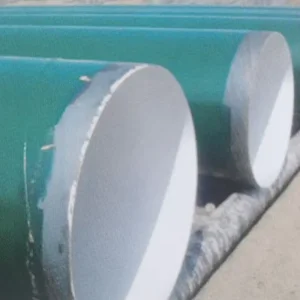
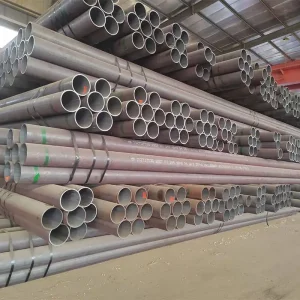
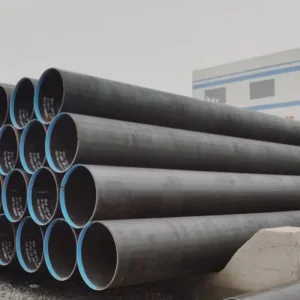
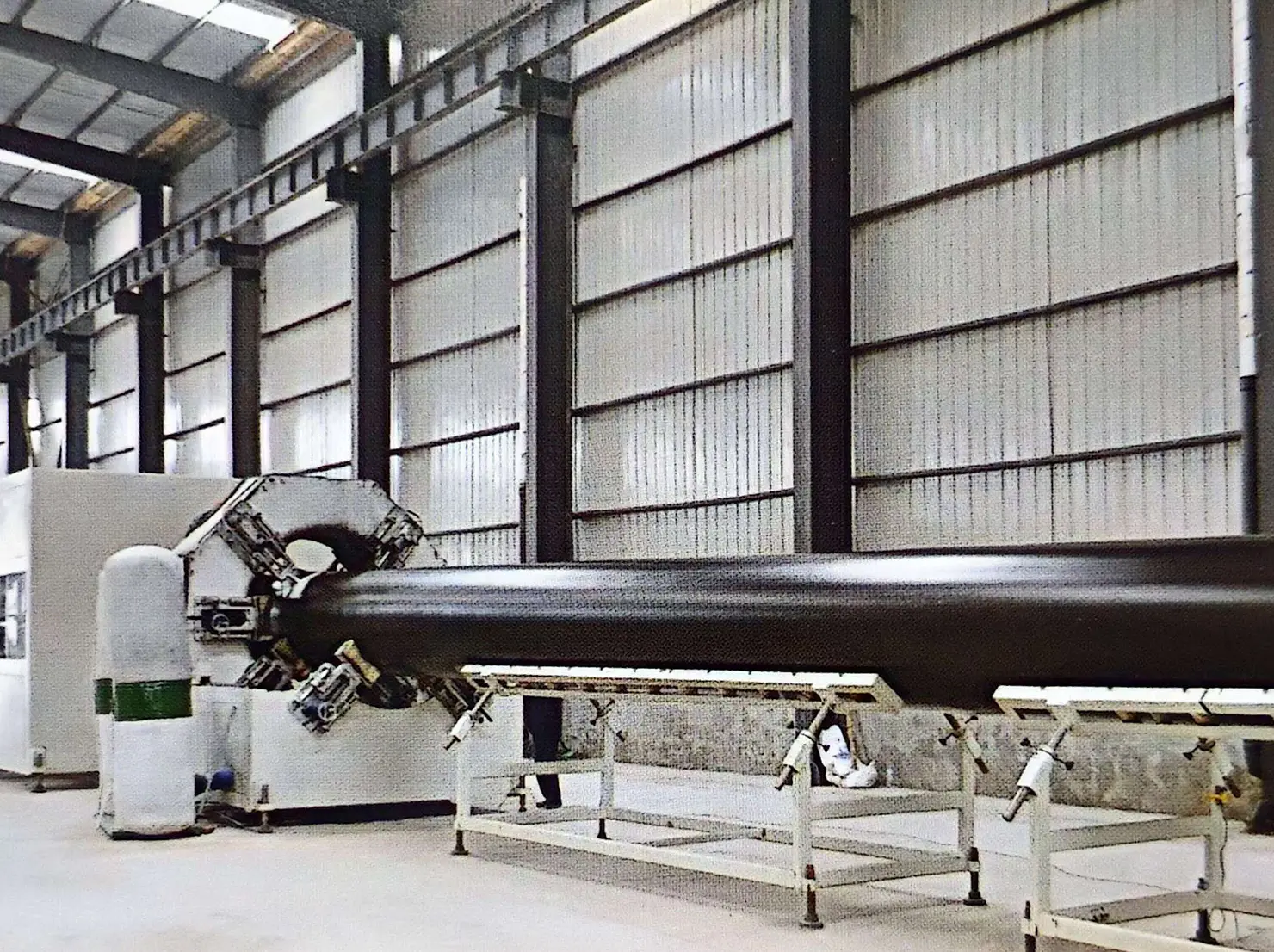
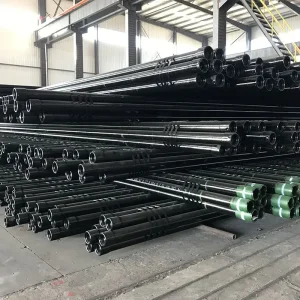
The demand for 4-inch (4") stainless steel pipes spans crucial global industries including petrochemical plants, structural offshore rigs, municipal waste management systems, and specialized green-energy installations. Stainless steel, particularly in its austenitic (304/304L, 316/316L) and ferritic/martensitic (Grade 400 series like 409, 410, 430) configurations, provides structural integrity, exceptional corrosion resistance, and thermal efficiency.
When procuring piping networks, engineers must audit suppliers not only based on baseline costs but also on metallurgical traceability, mechanical integrity, and standard compliance. Industrial operations requiring high flow volumes under high pressure levels look to 4" Schedule 40 or Schedule 80 stainless steel pipes to balance flow optimization with safety coefficients.
Addressing severe corrosive, high-stress, and energy-intensive conditions with certified metallurgical solutions.
Utilizing high-nickel, high-chromium alloys to combat localized pitting, crevice corrosion, and stress-cracking in acidic, maritime, and sulfur-rich chemical environments.
Aligning robust stainless structures with environmental technologies. Providing high fatigue-strength steel to withstand vibrations and dynamic loads in wind generator chassis structures.
Grade 400 series stainless (such as 409 and 439) is deployed in high-temperature settings due to its thermal stability, low thermal expansion rates, and oxidation resilience.
Established in 2003, Shaanxi Kerlimar Engineers Co., Ltd. has accumulated over 21 years of experience in the international trade of pipes, covering carbon steel, alloy steel, and stainless steel materials. Our catalog features high-grade seamless pipes, straight-seam welded pipes (ERW), spiral-welded pipes (SSAW), and corresponding precision pipe fittings.
Under the guidance of our chairman, Mr. Ming SUN, Kerlimar has integrated standard industrial steel production with sustainable engineering. Since 2019, the company has focused on wind power technology R&D, patenting next-gen vertical-axis wind turbine designs, maglev suspension, and structural grid components to support double-carbon goals globally.
Recognized as a national High-tech Enterprise and an award recipient at the 11th China Innovation and Entrepreneurship Competition, Kerlimar was invited to showcase its research at the Dubai COP28 Conference. We demonstrate how clean technology and robust material engineering can work together to control global temperature rises below 1.5°C.
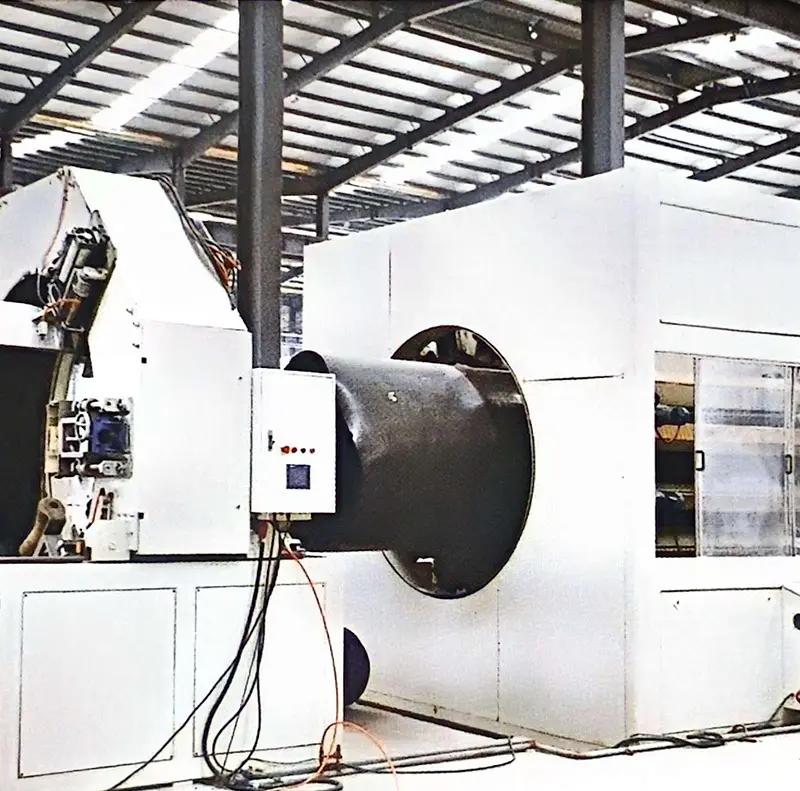

Operating a global steel network requires strict adherence to international safety policies. All stainless steel products provided by Shaanxi Kerlimar undergo heat treatment tracking, spectroscopic material confirmation (PMI testing), and thickness tolerances audits.
Whether for high-pressure seamless tubing or butt-welded piping configurations, we provide full EN 10204 3.1 Mill Test Certificates (MTC) detailing chemical composition (carbon, chromium, nickel, molybdenum content) and physical properties (tensile strength, yield strength, elongation rates).
Our logistics network ensures anti-corrosive, end-capped packaging, customized structural crates, and complete customs clearance documentation to minimize lead times across Europe, North America, the Middle East, and Southeast Asia.
Addressing key procurement challenges and metallurgical inquiries from engineering teams.
Grades 304 and 316 are austenitic stainless steels containing high levels of nickel and chromium, making them highly ductile and highly resistant to general corrosion (316 adds molybdenum to prevent chloride pitting). Grade 400 series (such as 409, 410, and 430) are ferritic or martensitic alloys. They contain lower nickel amounts, meaning they are magnetic, have higher thermal conductivity, lower thermal expansion, and excellent oxidation resistance at elevated temperatures, making them popular for thermal systems, furnace linings, and mechanical structures.
A nominal pipe size of 4 inches represents a sweet spot for flow capacity and structural rigidity. It allows for high-velocity liquid and gas throughput with minimal friction loss, while maintaining manageable wall thicknesses (Schedule 10, 40, or 80). This size is widely used in main distribution channels, chemical intake lines, and load-bearing framework columns in petrochemical plants, marine structures, and offshore installations.
High-spec projects require Mill Test Reports (MTR) or Mill Test Certificates conforming to EN 10204 3.1 or 3.2. These documents verify chemical analysis, mechanical property evaluations (yield, tensile, elongation), hardness tests, and physical assessments like flattening or flaring. Additionally, projects often demand non-destructive test results, including hydrostatic pressure checks, Ultrasonic Testing (UT), Radiography (for welded lines), and Positive Material Identification (PMI) to confirm alloy authenticity.
We actively support low-carbon initiatives. Led by Mr. Ming SUN, Kerlimar designs renewable energy machinery and integrates vertical-axis wind turbine engineering into structural steel applications. By optimizing material weight, utilizing energy-efficient processing plants, and selecting low-emission supply chains, we help client organizations meet their double-carbon targets while maintaining heavy industry performance.
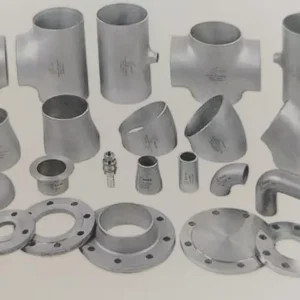
Ensuring reliable joints, high-load capacities, and efficient fluid management across heavy-duty industrial installations.
 Kerlimar