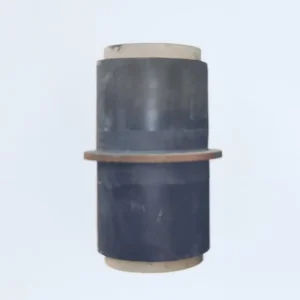
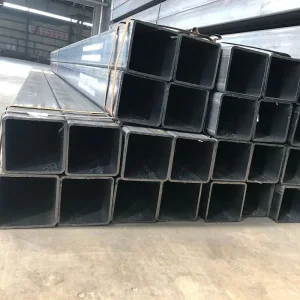
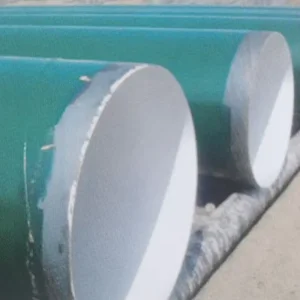
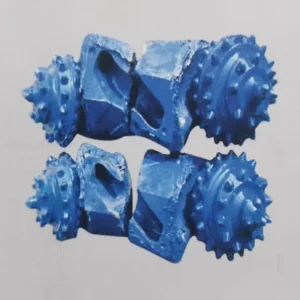
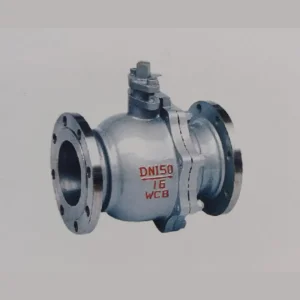
Explore our industrial pipe inventory manufactured under stringent international guidelines. These solutions serve structural engineering, thermal control, oil extraction, and long-distance pipeline networks.
Established in 2003, Shaanxi Kerlimar Engineers Co., Ltd. has developed an extensive footprint in international trade and steel engineering. We specialize in supply chains for carbon steel, alloy steel, and stainless steel products, delivering high-performance seamless and welded piping systems across the globe.
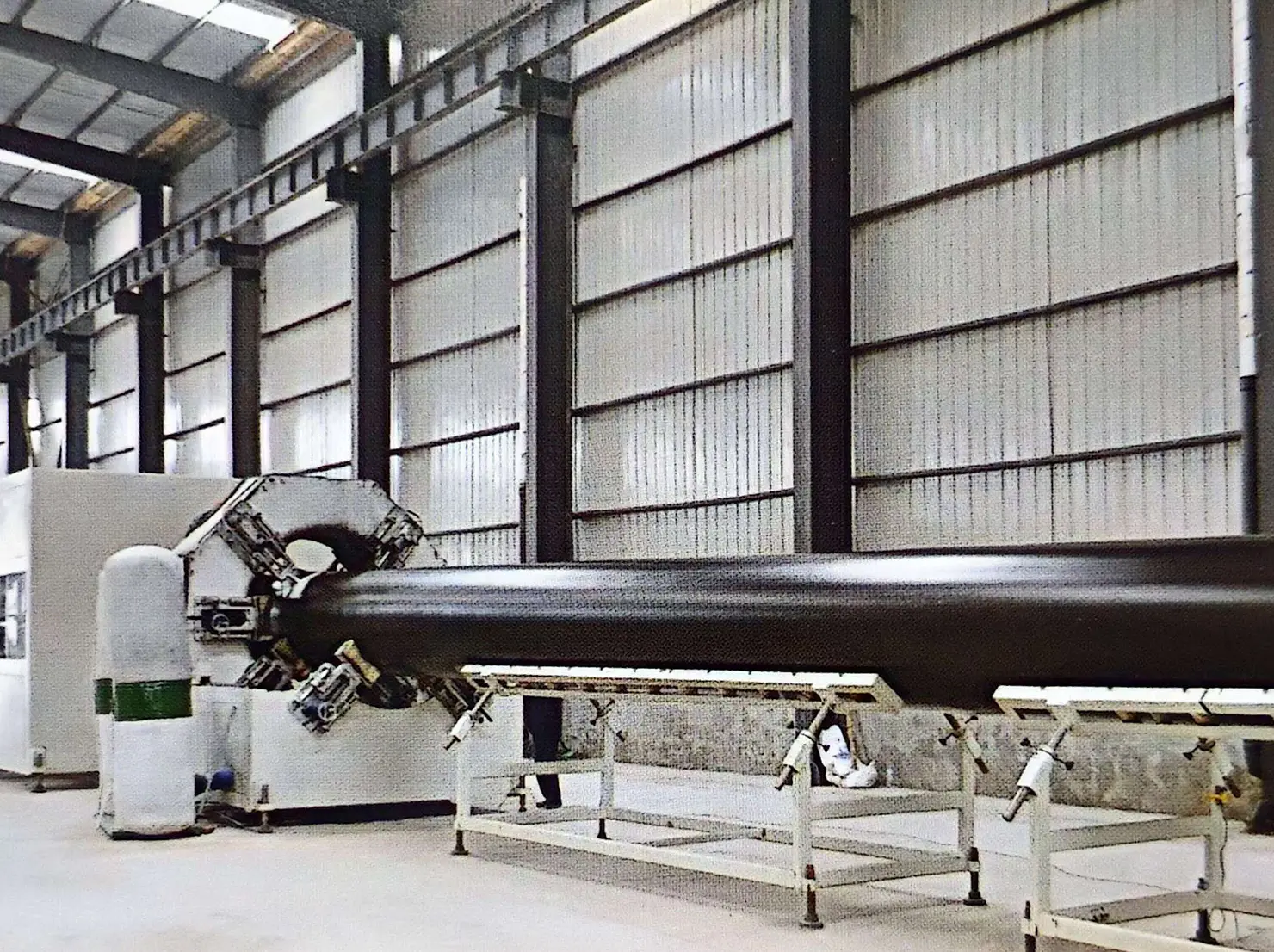
Our Chairman, Mr. Ming SUN, is an active advocate for climate change mitigation and technological innovation. Since 2019, Kerlimar has integrated mechanical steel fabrication expertise with next-generation clean energy solutions, focusing on the research and development of vertical axis wind turbine systems.
This integration of heavy metallurgy and advanced aerodynamics aims to bypass wind-generation bottlenecks. Research targets include suspension structures, rail maglev components, floating platforms, and grid networks. Backed by 40+ patents authorized by the State Intellectual Property Office (SIPO) and various international patent filings, Kerlimar is positioning its engineering knowledge to lead clean energy applications globally.
In December 2020, Shaanxi Kerlimar Engineers Co., Ltd. secured its High-tech Enterprise certification. Over the years, we have built key partnerships through bilateral technology events, including the China-Finland High Technology Match Conference in June 2021, and earned the Excellence Award at the 11th China Innovation and Entrepreneurship Competition in August 2022.
In December 2023, Kerlimar participated in the Dubai COP28 Climate Conference, presenting 10KW-500KW experimental wind units. By matching durable industrial steel supply chains with high-efficiency wind technology, we help global clients achieve carbon neutrality and climate safety limits (keeping temperature rise below 1.5°C).
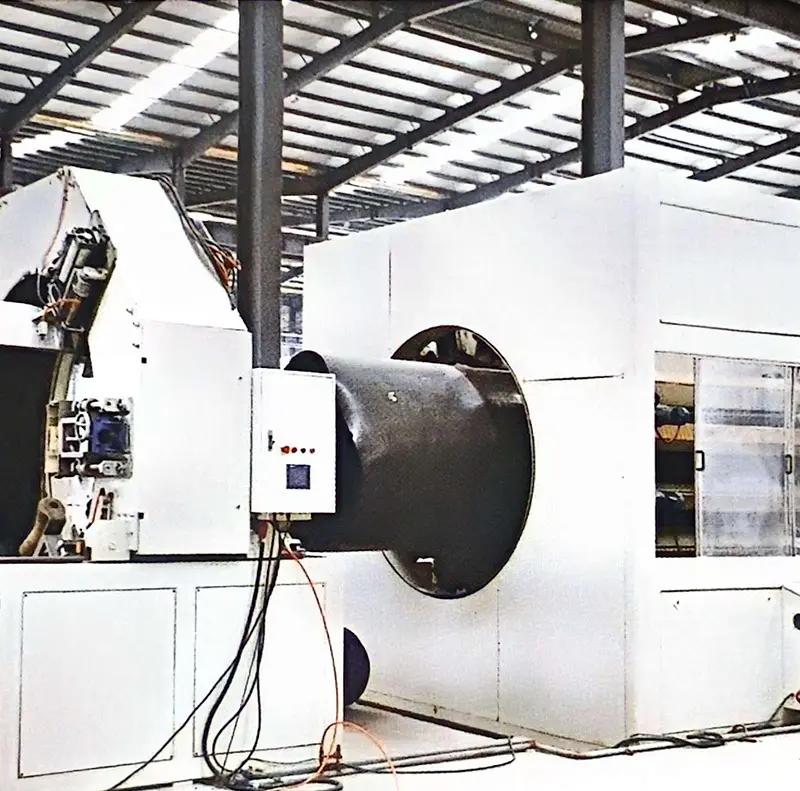
Carbon steel piping selection hinges on operating pressure, temperature limits, and mechanical stress profiles. Understanding the differences between manufacturing processes ensures structural safety and optimizes project costs.
Manufactured by pushing a solid billet over a piercing rod, creating a hollow shell without weld seams. Designed for high pressure, thermal cycling, and hazardous fluids.
Common Specifications: ASTM A106 Grade B, ASTM A53 Grade B, API 5L Line Pipe. Ideal for steam lines, oil refineries, and gas compression stations.
Formed from cold-rolled steel coils, with the seam welded using high-frequency electricity. Offers high dimensional accuracy and uniform wall thickness.
Common Specifications: ASTM A53, API 5L. Used widely in cross-country transmission lines, liquid storage, and mechanical frames.
Formed from hot-rolled steel strip, wound helically into a cylindrical shell and welded internally and externally using submerged arc welding. Cost-effective for large diameters.
Common Specifications: API 5L, ASTM A252. Ideal for low-pressure municipal water mains, structural piling, and civil works.
Industrial piping must comply with strict international regulatory systems. Standard compliance guarantees metallurgical composition, tensile limits, and impact strength under extreme thermal stress.
| Standard Code | Material Class | Common Applications | Testing Requirements |
|---|---|---|---|
| ASTM A106 / A53 | Carbon Steel (Grades A, B, C) | High-temperature steam lines, power generation plants, and structural frames. | Hydrostatic pressure testing, flattening, flaring, bend tests. |
| API 5L (PSL1 & PSL2) | Line Pipe (Grades B through X80) | Transporting petroleum, natural gas, slurry, and multi-phase fluids. | Charpy V-notch impact test, non-destructive testing (NDT), weld seam inspection. |
| EN 10219 / 10210 | Structural Steel (S235, S355) | Civil architecture, building frames, bridge foundations, and wind turbine towers. | Tensile analysis, dimensional tolerances, weld soundness checks. |
| JIS G3454 / G3456 | Carbon Steel for Pressure Service | Pressure vessels, high-pressure boilers, and mechanical fluid handling. | Chemical heat analysis, yield point measurements, ultrasonic testing. |
To qualify under strict European and American safety guidelines (such as PED 2014/68/EU), steel manufacturers implement multi-stage quality assurance systems. These include Ultrasonic Testing (UT) for volumetric defects, Radiographic Testing (RT) for weld joint validation, and Hydrostatic Testing to verify structural integrity under peak pressure levels. Every batch must be delivered with clear Mill Test Certificates (MTC) matching EN 10204 Type 3.1 or 3.2 formats.
For global engineering, procurement, and construction (EPC) companies, purchasing from integrated Chinese production clusters offers unique advantages:
Modern global logistics require strict alignment with ESG (Environmental, Social, and Governance) targets. Reducing carbon footprints in heavy manufacturing is crucial. Kerlimar addresses this demand by researching clean energy integrations, such as using structural hollow steel for vertical axis wind platforms and reducing energy consumption during steel pipe fabrication.

Carbon steel pipes perform critical functions in regional infrastructure projects, with material specifications varying by climate and application environment:
Pre-insulated pipes with high-density polyethylene (HDPE) jackets and polyurethane foam insulation carry hot water and chilled fluids in municipal distribution grids, cutting down thermal losses in municipal networks.
Large-diameter helical welded pipes (SSAW) and structural hollow sections serve as foundation piles for marine harbors, offshore platforms, and wind turbine support structures, providing high bending stiffness.
Seamless line pipes conforming to API 5L PSL2 standards transport wet, corrosive hydrocarbons in sour service conditions, utilizing NACE MR0175/ISO 15156 compliant chemistries to resist hydrogen cracking.
Check these detailed technical answers covering material grades, surface coatings, testing standards, and global purchasing procedures.
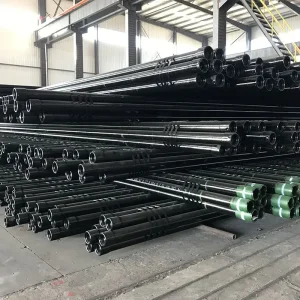
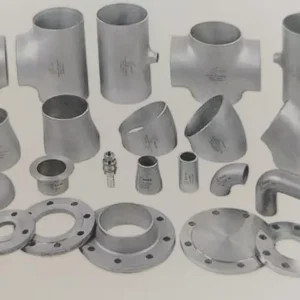
Browse our specialized product list covering high-performance corrosion protection coatings, durable valves, fittings, and oil country tubular goods (OCTG).
 Kerlimar