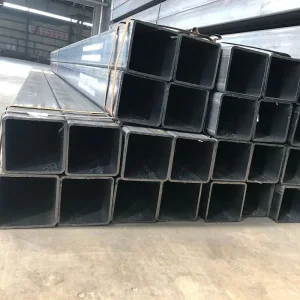
Direct factory access to highly engineered piping networks, high-pressure conduits, and critical isolation valves for international industrial infrastructure.
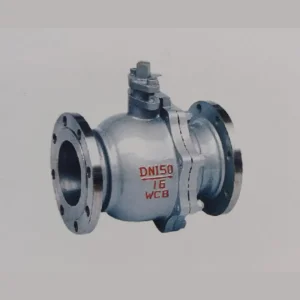
Transformer butterfly valves are specialized, high-security fluid isolation devices mounted directly on electrical power transformers. Unlike standard water-work or industrial butterfly valves, transformer-specific variants are designed to control the flow of highly sensitive dielectric fluids (such as mineral transformer oils, silicone-based fluids, and biodegradable synthetic esters). These valves operate continuously under high thermal cycling, high static pressure, and intensive outdoor ultraviolet exposure.
A single droplet of oil leakage or atmospheric moisture ingress can result in catastrophic failure of the dielectric insulation within a high-voltage substation transformer. Therefore, transformer butterfly valves must comply with stringent standards such as DIN EN 50216-4 or ANSI/IEEE standards, ensuring leak-free performance over operational lifespans exceeding 30 to 40 years.
Features optimized square or round flange patterns conforming strictly to global transformer tank interfaces. Grooved profiles house specialty sealing rings (like O-rings or flat gaskets) to secure absolute hermetic sealing at joint connection surfaces.
Constructed with customized Fluoroelastomers (Viton/FKM) or specialty Acrylonitrile Butadiene Rubber (NBR) compounds designed to resist chemically aggressive hot transformer oils, maintaining elasticity down to -40°C.
Discs are machined from grade 304/316 stainless steel or cast ductile iron coated with high-solid epoxy finishes, guaranteeing minimal fluid flow resistance and high resistance to galvanic and environmental corrosion.
As global transmission networks transition toward intelligent smart grids, the requirements placed on pipeline components and radiator isolation valves have evolved. The industry is currently undergoing a structural shift in mechanical engineering paradigms:
Future valve designs will integrate non-intrusive fiber-optic sensors and piezoelectric actuators. These elements allow operators to monitor torque profiles, seal degradation, and local vibration in real-time, providing predictive maintenance alerts directly to SCADA systems.
With environmental mandates pushing for biodegradable alternative fluids (natural and synthetic esters), valve manufacturers are re-engineering elastomer formulas. Ester oils exhibit different chemical dynamics compared to traditional mineral oil, requiring updated chemical compatibility profiles.
With applications moving into extreme climate zones (Arctic wind generation and desert solar farms), modern butterfly valves must tolerate a wider operating envelope. Advanced units are certified to function consistently from -60°C up to +120°C.
Optimizing the internal butterfly disc through computational fluid dynamics (CFD) minimizes fluid turbulence. Reducing localized pressure drops directly optimizes the natural convection oil cooling loop of the radiator system.
Transformer butterfly valves are not standalone products; they are critical safety barriers deployed across primary energy generation, transmission, and heavy industrial operations. Selecting the correct valve specifications ensures operational continuity in demanding sectors:
Offshore wind turbines and utility-scale solar installations require compact step-up transformers. These systems depend on highly corrosion-resistant C5-M marine-grade painted butterfly valves that can withstand continuous salt spray and atmospheric humidity without maintenance intervention.
HVDC converter stations and regional step-down substations employ large-diameter butterfly valves to secure the cooling headers. Absolute mechanical integrity under constant high hydraulic pressure is vital to prevent unscheduled blackouts affecting regional power grids.
Arc furnace transformers operate under extreme cyclic loads and intense vibration. Special locking handles, lockable notches, and robust metal-seated or reinforced soft-seated butterfly valves protect cooling oil lines against vibration-induced drift and seal fatigue.
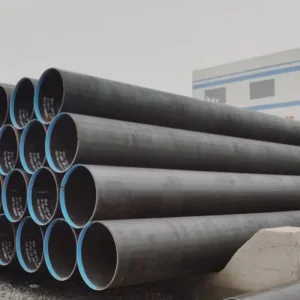
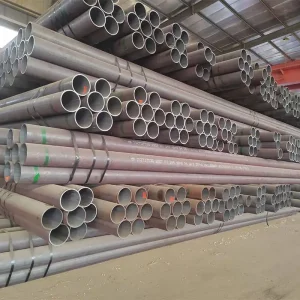
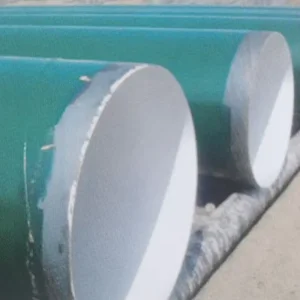
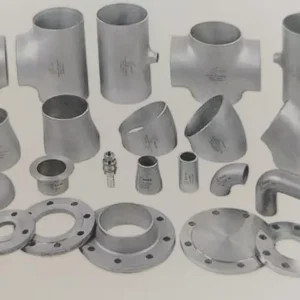
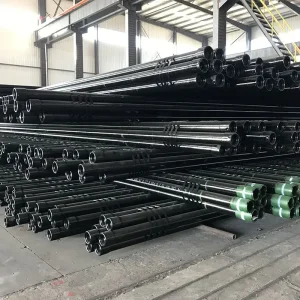
Shaanxi Kerlimar Engineers Co., Ltd., established in 2003, has long been engaged in international trade business. Our core product line encompasses a wide variety of industrial pipes, carbon steel, alloy steel, and stainless steel materials, seamless pipes, straight seam welded pipes, spiral welded pipes, and matching pipe fittings.
We manufacture to global engineering standards including ASTM, ASME, EN, JIS, and DIN, ensuring seamless integration into international projects. We pride ourselves on providing exceptional quality, competitive pricing, timely delivery, and perfect service to our global client base.
Our commitment to sustainability and engineering innovation stems from our leadership. Our chairman, Mr. Ming SUN, is a dedicated environmentalist and a proponent of technological innovation. Out of his deep concern for climate change and carbon mitigation, Shaanxi Kerlimar expanded its engineering horizons in 2019 by launching research into new vertical axis wind power technologies. This research focuses on magnetic levitation vertical axis wind turbine designs, structural suspensions, rail maglev systems, cable configurations, and offshore floating platforms.
In December 2020, Shaanxi Kerlimar won the national High-tech Enterprise certification in China. Following this milestone, in June 2021, we were invited to participate in the China-Finland High Technology Match Conference, highlighting our capability in collaborative international engineering.
Our environmental technology won the Excellence Award in the 11th China Innovation and Entrepreneurship Competition in August 2022. Our green initiatives led to an invitation to participate in the prestigious Dubai COP28 Conference in December 2023, where we shared our technological roadmap with global sustainability leaders.
Currently, we have completed testing on 10KW-500KW series vertical axis wind power units. These efficient, reliable, safe, and cost-effective energy solutions support global carbon mitigation targets and rural revitalization projects, helping to limit global temperature rises to under 1.5°C.
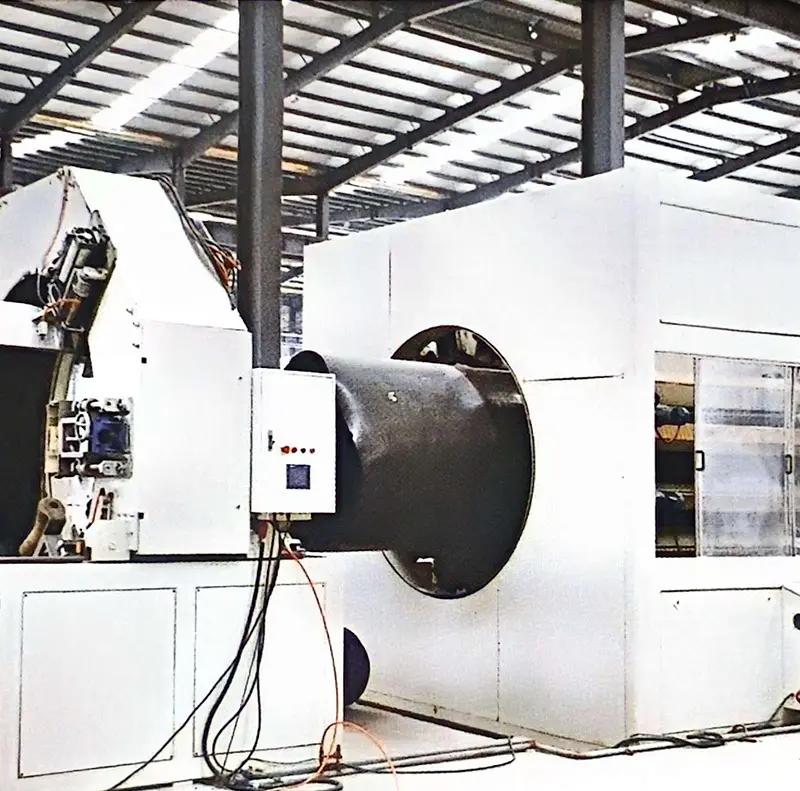

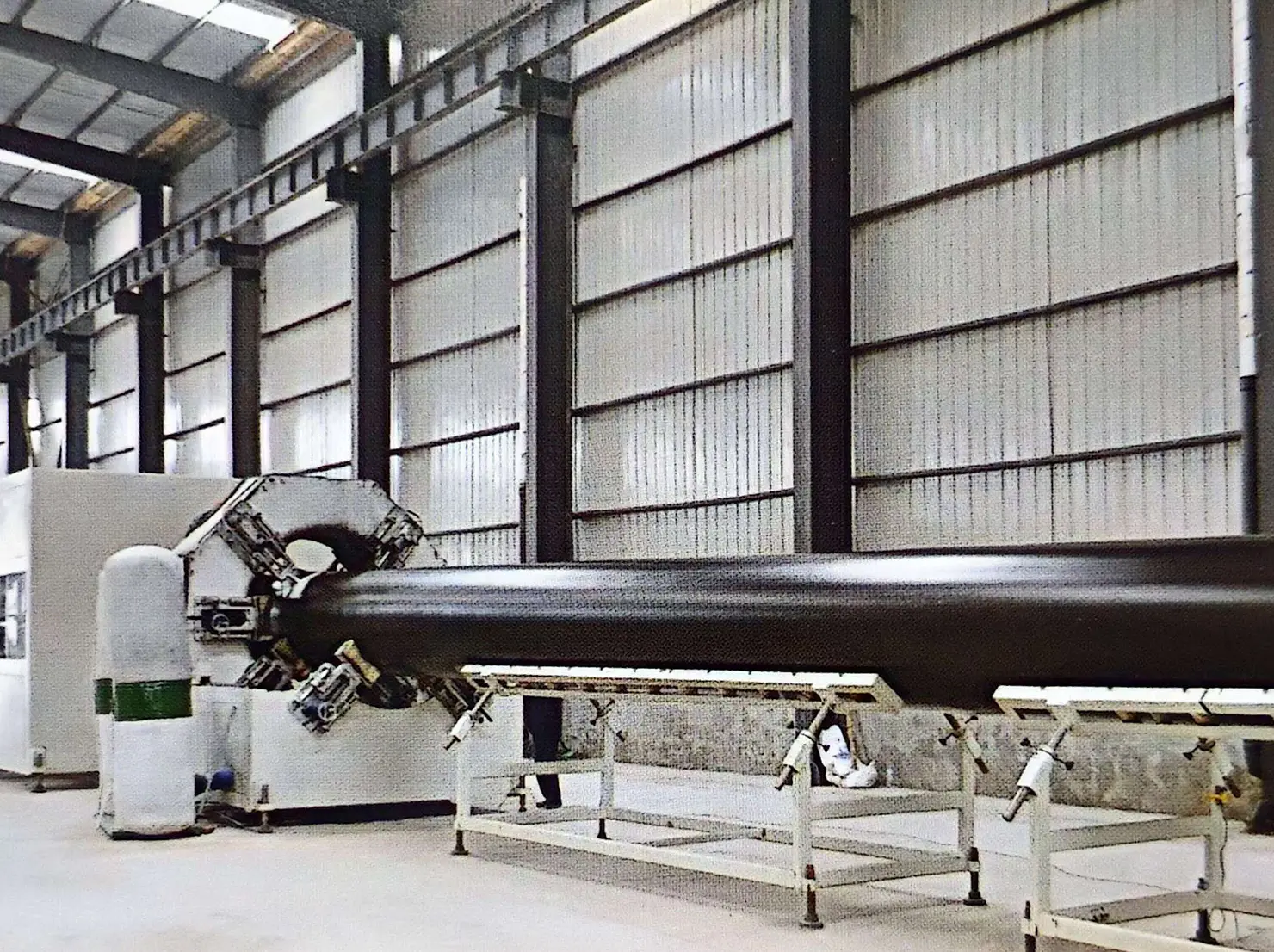
Modern Chinese manufacturing has evolved from basic component assembly to advanced Smart Factory 4.0 operations. This industrial maturity is crucial for manufacturing highly consistent, zero-defect transformer butterfly valves and high-grade pressure pipeline components:
Automated molding and computerized induction furnaces minimize internal casting anomalies, including porosity, shrinkages, and micro-cracks. This helps ensure consistent structural integrity of the valve body and flanges under high thermal stress.
Every production batch undergoes thorough Non-Destructive Testing (NDT), including ultrasonic, magnetic particle, and liquid penetrant tests, supplemented by helium mass spectrometer leak detection to confirm bubble-tight sealing.
Shaanxi Kerlimar leverages decades of carbon and stainless steel pipe manufacturing expertise to source premium mill-certified billets. This supply verticality ensures complete metallurgical traceability from the steel furnace to the finished valve body.
Navigating global grid requirements demands compliance with various international standards. We align our manufacturing and support networks to meet these regulatory standards:
Specifies the dimensions and testing parameters required for butterfly valves used in power transformers and radiator systems across the European market.
Defines the electrical, thermal, and mechanical safety parameters for liquid-immersed distribution and power transformers in North America.
Establishes standard quality management and eco-conscious manufacturing guidelines, ensuring consistent processes from raw steel to finished components.
Mandatory for high-pressure installations across Europe, certifying that valve castings and shells can safely withstand design pressure limits.
Our localization network provides pre-sales consultation, custom CAD/BIM model integration, physical pressure test certificates, and post-delivery logistical coordination. This ensures that custom-fabricated pipeline parts arrive on site ready for installation, with all mill test reports (MTRs) and material traceability sheets complete.
B2B procurement teams managing infrastructure projects must evaluate potential suppliers on engineering depth, rather than unit price alone. Below is a checklist for auditing transformer component and pipeline suppliers:
Ensure your chosen supplier provides EN 10204 Type 3.1 or 3.2 material traceability certificates. This documentation verifies the precise chemical and mechanical properties of the steel, alloy, or cast ductile iron used.
Request documented swelling, tensile strength retention, and hardness tests for elastomer seals exposed to hot transformer oil (especially natural/synthetic esters) over extended periods.
Substations operate in highly corrosive environments. Confirm that the supplier's surface prep complies with ISO 12944 standards, utilizing hot-dip galvanizing or multi-layer epoxy coatings matching C4 or C5 corrosion categories.
Explore our full range of certified industrial tubing, casing, thermal insulation systems, and precision-engineered pipe fittings.
 Kerlimar