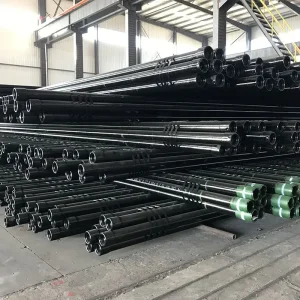
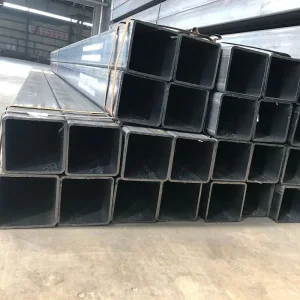
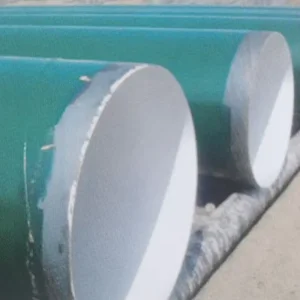
Select premium supplies manufactured in strict compliance with international mechanical certifications and testing standards.
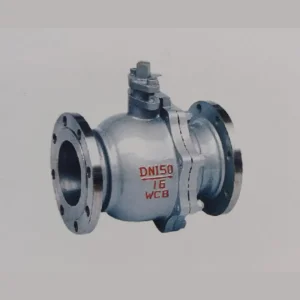
In modern industrial applications, liquid and gas transport processes rely deeply on robust control systems. The 2-piece (or 2-body) ball valve represents one of the most widely implemented structural choices for critical flow isolation. Characterized by a split body layout consisting of two distinct body components that join via a threaded, bolted, or welded connection, this configuration facilitates unparalleled maintainability and strength in medium-to-high pressure processes.
Unlike single-piece (monoblock) valves that offer limited interior access or three-piece variants which require extensive mounting space, the 2-piece ball valve balances cost-efficiency with high mechanical endurance. Industrial networks, particularly those processing crude oil, natural gas, steam, corrosive chemicals, and high-purity water, look to 2-piece designs to secure tight shutoff tolerances (typically complying with MSS SP-110, API 608, or API 6D specifications).
Two-piece designs accommodate both full bore geometries (matching the pipeline ID to prevent pressure drop) and reduced bore options to optimize cost and actuation torque values across liquid applications.
Engineered paths reduce turbulent flow patterns, which minimizes local cavitation and extends seat life expectancy significantly compared to gate or globe valve equivalents.
Integration of advanced polymers like PTFE, RPTFE, and PEEK, alongside metal-to-metal seating coatings, guarantees zero-leakage profiles conforming to ANSI/FCI 70-2 Class VI requirements.
Established in 2003 | A Global Leader in Pipeline Technology & Clean Energy Systems
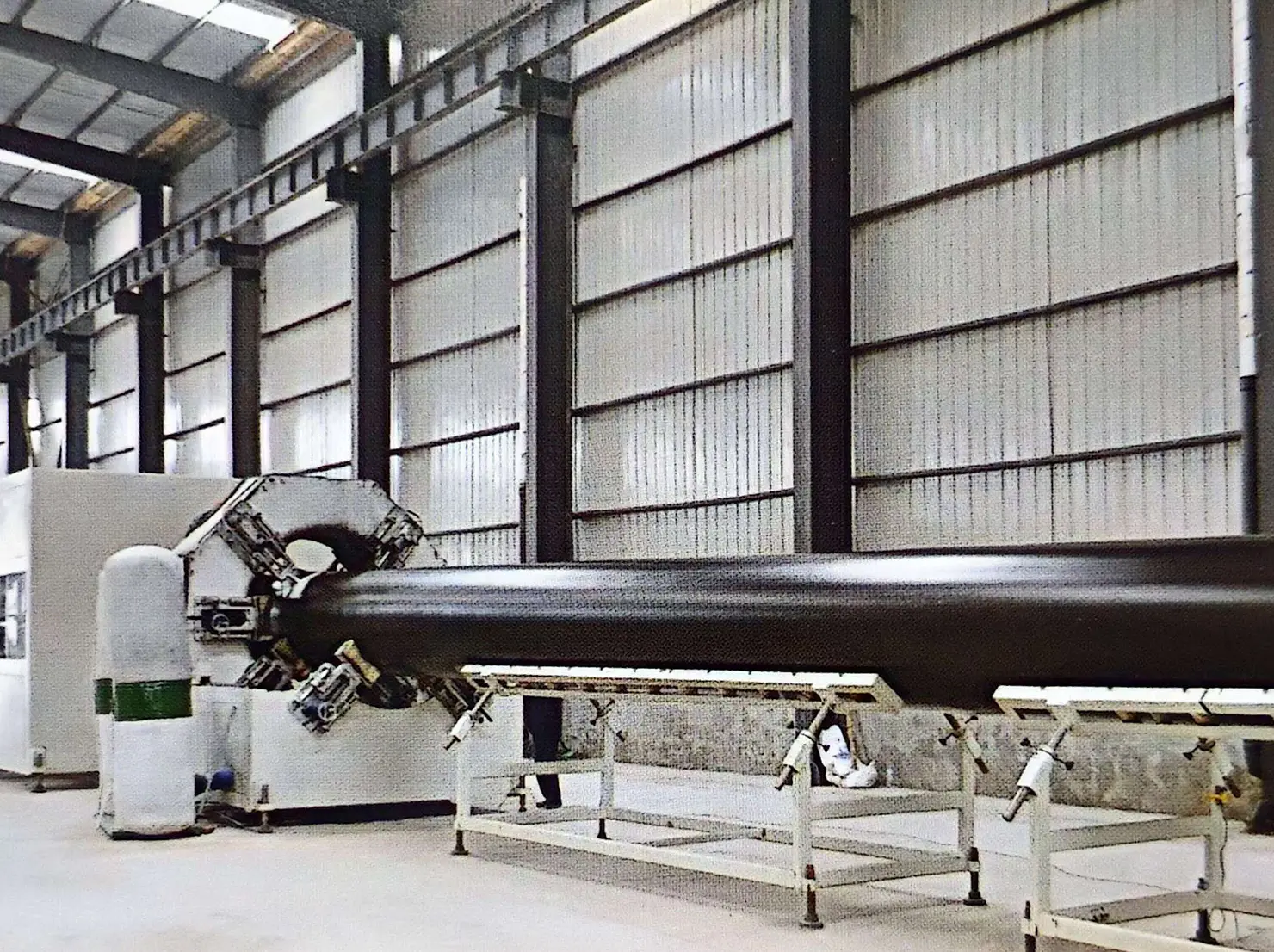
Shaanxi Kerlimar Engineers Co., Ltd. has stood at the forefront of international trade and heavy industrial pipe sourcing for over two decades. The company specializes in an extensive assortment of carbon steel, alloy steel, and stainless steel products, focusing heavily on carbon and stainless steel seamless pipes, straight seam welded pipes, spiral welded pipes, matching pipe fittings, and robust flow control hardware like 2-piece ball valves.
By complying fully with ASTM, ASME, EN, and JIS standards, Kerlimar delivers unparalleled mechanical reliability, cost competitiveness, and timely delivery to international engineering conglomerates. The manufacturing operations utilize top-tier raw materials to guarantee safe operations across volatile thermal networks and chemical delivery lines.
Under the visionary leadership of Mr. Ming SUN, Chairman of Shaanxi Kerlimar Engineers Co., Ltd., the organization has merged classic heavy industry metallurgy with modern renewable energy science. As a dedicated environmentalist, Mr. Sun has focused corporate strategy on resolving the bottlenecks of clean energy transition.
Beginning in 2019, response to national innovation objectives led to the intensive research and development of vertical axis wind power technologies. These innovations target suspension systems, grid structures, magnetic rail levitation, and floating offshore installations. Over 40 national patents and multiple international patents underscore the technical validity of these efforts, positioning the enterprise as an innovative contributor toward early achievement of carbon neutrality targets.
This same focus on sustainable technology informs our piping and flow control products. Our thermal insulation systems and pipeline valves are optimized to prevent media fugitive emissions, reducing the carbon footprint of transport lines globally and playing a role in limiting the rise of global temperatures below 1.5°C.
A timeline of innovation, compliance, and international presence in clean tech and heavy engineering.
Awarded official High-Tech Enterprise status in December 2020 by validating advanced design protocols and engineering patents.
Earned the Excellence Award at the 11th China Innovation and Entrepreneurship Competition for clean energy breakthroughs.
Invited to speak and present clean energy technology roadmaps at the landmark UN Climate Change Conference (COP28) in Dubai.

Unlocking unparalleled value through scaled production, structural precision, and robust testing regimens.
For global procurement managers, identifying the ideal production hub for industrial valves is critical to keeping capital expenditures (CAPEX) under control without risking operational safety. Chinese manufacturers, specifically those specializing in ASME-grade components like Shaanxi Kerlimar, provide distinct strategic advantages:
From local steel casting foundries producing reliable WCB carbon steel or CF8M stainless steel to precision CNC machining centers, the proximity of key processes cuts production lead times by up to 40% compared to Western counterparts.
Leading Chinese exporters hold ISO 9001, API 6D, API 607 (fire-safe compliance), and CE/PED certifications. This structural compliance ensures that the shipped valve models perform safely under high-pressure steam and high-cycle chemical processing.
Valves are engineered to fit specific actuation requirements. Whether utilizing pneumatic, electric, or hydraulic actuators, standard ISO 5211 mounting pads can be cast directly onto the valve body for seamless field integration.
Mapping high-integrity ball valves and piping to heavy industries globally.
| Sector | Common Materials | Critical Valve Feature Needed | Localized Application Scenario |
|---|---|---|---|
| Oil & Gas Transport | Carbon Steel (ASTM A216 WCB, LCC) | API 607 Fire-Safe Certification, NACE MR0175 Compliance | Mainline isolation and compressor stations handling wet H2S mixtures. |
| Chemical Processing | SS316L, Duplex Stainless Steel, Hastelloy | High Corrosion Resistance, PTFE/PEEK Seats | Corrosive acid delivery lines, caustic wash systems, and batch processing loops. |
| Thermal Power & Steam | Alloy Steel (ASTM A217 WC6, WC9) | High-Temperature Stem Packings (Graphite) | Boiler feedlines and high-pressure steam distribution headers. |
| Municipal Water Processing | Ductile Iron, Cast Carbon Steel | Full Bore, Low Torque operation | High-flow intake loops, filtration banks, and desalination facilities. |
By employing appropriate combinations of structural steel bodies and resilient polymer seats, 2-piece ball valves perform safely in environments ranging from cryogenic storage facilities (-196°C) to high-temperature refining pipelines (>350°C).
Key design metrics that must be specified to secure a zero-leakage pipeline lifecycle.
Verify Class 150, 300, 600, or PN16/40 compliance relative to pipeline design pressure.
Choose RTFPE for general duties (up to 180°C) or PEEK/Metal-to-Metal for abrasives.
Confirm the valve wall thickness aligns with ASME B16.34 standards to prevent fatigue.
Insist on EN 10204 Type 3.1 Material Test Reports (MTR) for all pressure-retaining components.
Industrial components manufactured under certified processes for oil casing, drilling, and thermal transport.
Technical answers to critical questions about 2-piece ball valves and sourcing processes.
 Kerlimar