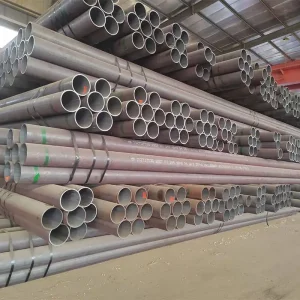
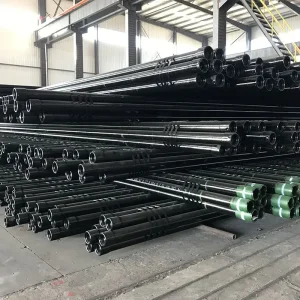
In the modern industrial landscape, where thermal efficiency and structural integrity at extreme temperatures are paramount, 321H Stainless Steel (UNS S32109) stands as a critical material of choice. As a high-carbon variant of the titanium-stabilized 321 alloy, the "H" grade is specifically engineered for enhanced creep resistance and higher strength at temperatures exceeding 1000°F (537°C). Shaanxi Kerlimar Engineers Co., Ltd., with over two decades of metallurgical expertise, provides this comprehensive white paper to explore the technical nuances, global market trends, and strategic applications of 321H piping systems.
321H is indispensable in ethylene crackers and pyrolysis furnaces where pipes must withstand internal pressure and external oxidation at sustained high heat.
In supercritical and ultra-supercritical coal plants, 321H tubes facilitate efficient steam transfer, reducing carbon footprint through higher thermal cycle efficiency.
The resistance to polythionic acid stress corrosion cracking makes 321H a strategic asset in refineries processing high-sulfur feedstocks and green energy conversion plants.
The global demand for high-performance austenitic stainless steels is projected to grow by 5.4% CAGR through 2030. Asia-Pacific, led by China's manufacturing prowess, remains the largest producer and consumer. However, the market is shifting from "commodity volume" to "specification depth." Procurement managers are no longer just looking for "321H pipe"; they are seeking suppliers who provide "Information Gain"—detailed heat-treatment records, titanium-to-carbon ratio precision, and ASTM/ASME compliance documentation.
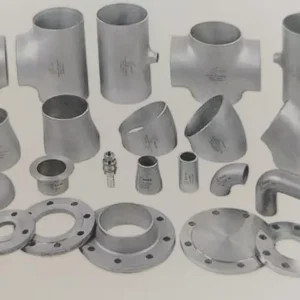
Shaanxi Kerlimar Engineers Co., Ltd. was established in 2003, and has long been engaged in international trade business, mainly a variety of pipes, carbon steel, alloy steel, stainless steel material, seamless pipe, straight seam welded pipe, spiral welded pipe and matching pipe fittings. Manufacturing standards for ASTM, ASME, EN, JIS and so on, in line with international standards.
In December 2020, we won the national High-tech Enterprise certification. Our chairman, Mr. Ming SUN, is a strong environmentalist and a fan of technological innovation. Since 2019, we have launched clean energy technology research and development, focusing on new vertical axis wind power technology. This innovative spirit permeates our steel division, ensuring every 321H pipe we supply meets the highest standards of reliability and environmental compliance.
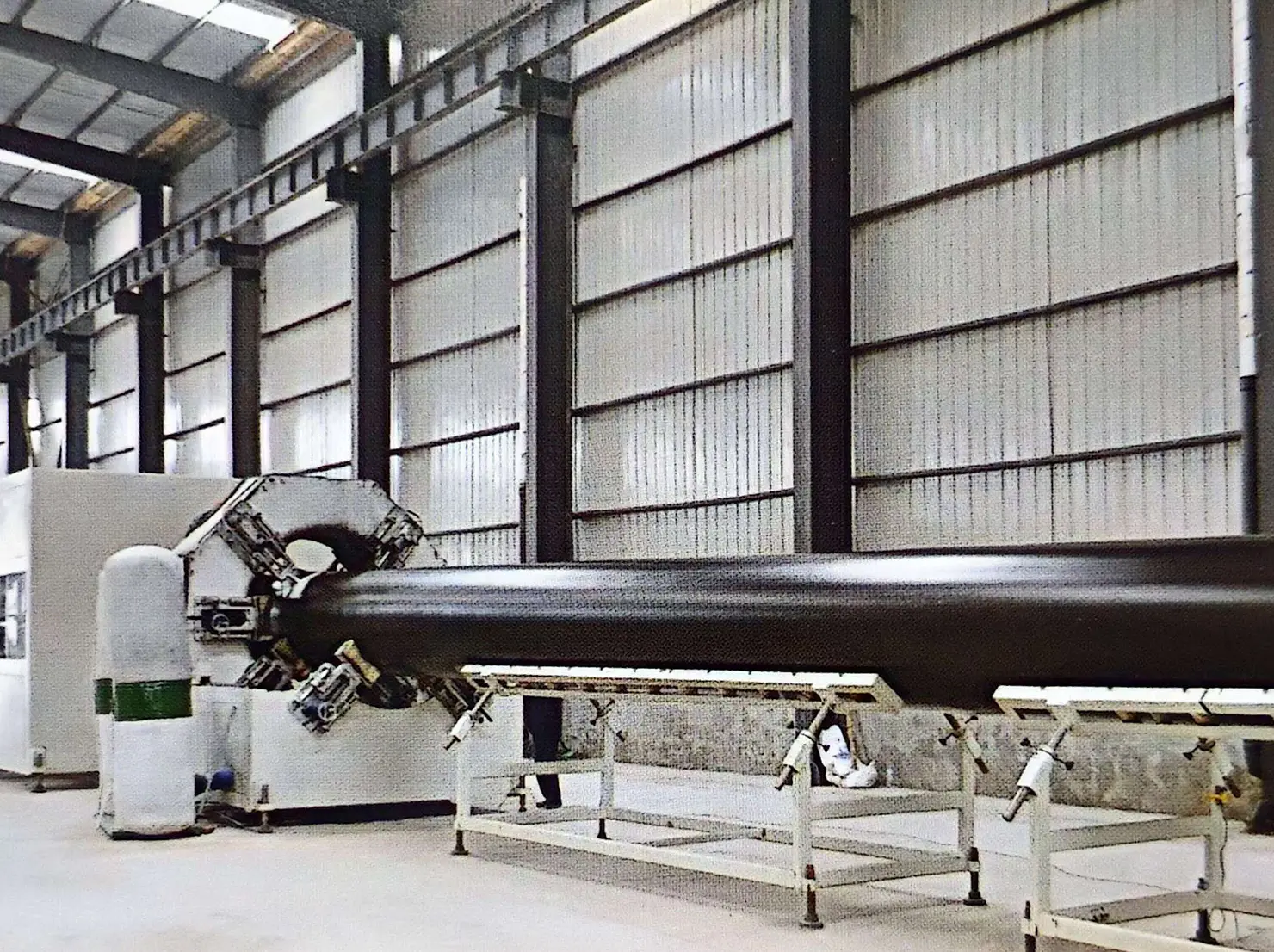
We have participated in global milestones such as the China-Finland High Technology Match Conference and the Dubai COP28 Conference. Our focus on "New Quality Productive Forces" allows us to provide 10KW-500KW units and precision piping components that contribute to the global goal of controlling temperature rise below 1.5°C.
Our 321H stainless steel solutions are not just products; they are part of a larger commitment to rural revitalization and the "Double Carbon" goals. With 40+ patents and PCT international applications, we define the technical frontier of the piping industry.
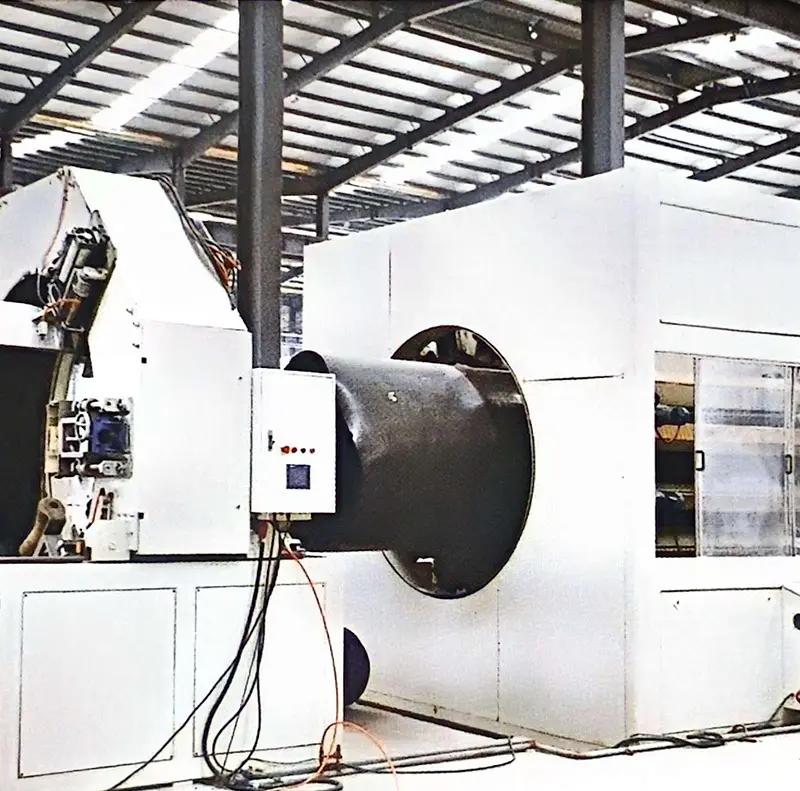
Unlike 304H, 321H contains titanium (at least 5x the carbon content). This prevents chromium carbide precipitation during welding, ensuring intergranular corrosion resistance in the "Critical Zone" (450°C-850°C).
The specific "H" designation requires a higher carbon range. This improves the material's short-term and long-term creep strength, vital for high-pressure boiler tubes.
Future iterations of our 321H pipes focus on ASTM grain size No. 7 or coarser to maximize high-temperature creep rupture life, a key requirement for ASME Section VIII Div 1 applications.
Navigating global standards requires more than a datasheet. Shaanxi Kerlimar provides localized compliance mapping:
As the world moves toward Hydrogen energy and advanced nuclear reactors (SMRs), the role of stabilized stainless steels like 321H will only expand. Shaanxi Kerlimar is currently researching "Nano-stabilized" variants to further enhance fatigue life. Our commitment remains: to provide the global industry with pipes that aren't just conduits, but the backbone of a sustainable, high-efficiency future.

 Kerlimar