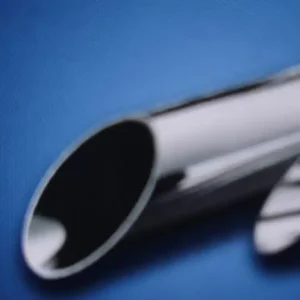
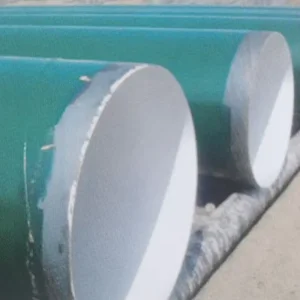
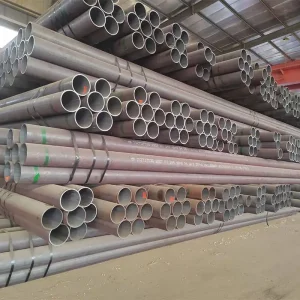
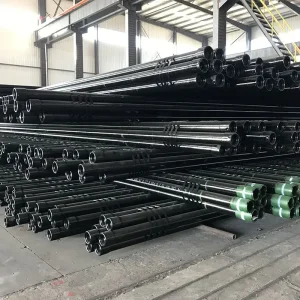
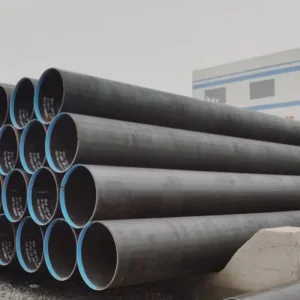
In the modern industrial landscape, Heavy Wall Carbon Steel Pipes represent the backbone of high-pressure fluid transportation. These specialized components are designed to withstand internal pressures exceeding 10,000 PSI and external hydrostatic pressures in deep-sea environments. As global energy demands shift toward more complex extraction methods—including deep-water drilling and high-pressure shale gas recovery—the demand for wall thicknesses exceeding 50mm has surged by 15% annually.
Despite fluctuations in raw material costs, the heavy-wall sector remains resilient due to its critical nature. Major industrial hubs in the Middle East, North America, and Southeast Asia are prioritizing long-term infrastructure over short-term savings. Leading manufacturers are now integrating advanced metallurgy to reduce weight while maintaining structural integrity, allowing for more cost-effective logistics in global trade.
Enterprises today are moving away from simple transactional buying. They seek OEM partnerships that provide comprehensive technical support. This involves pre-engineering consultations, custom wall thickness calculations, and stringent NDT (Non-Destructive Testing) protocols such as Ultrasonic and X-ray inspections to ensure "Zero Failure" operational goals.
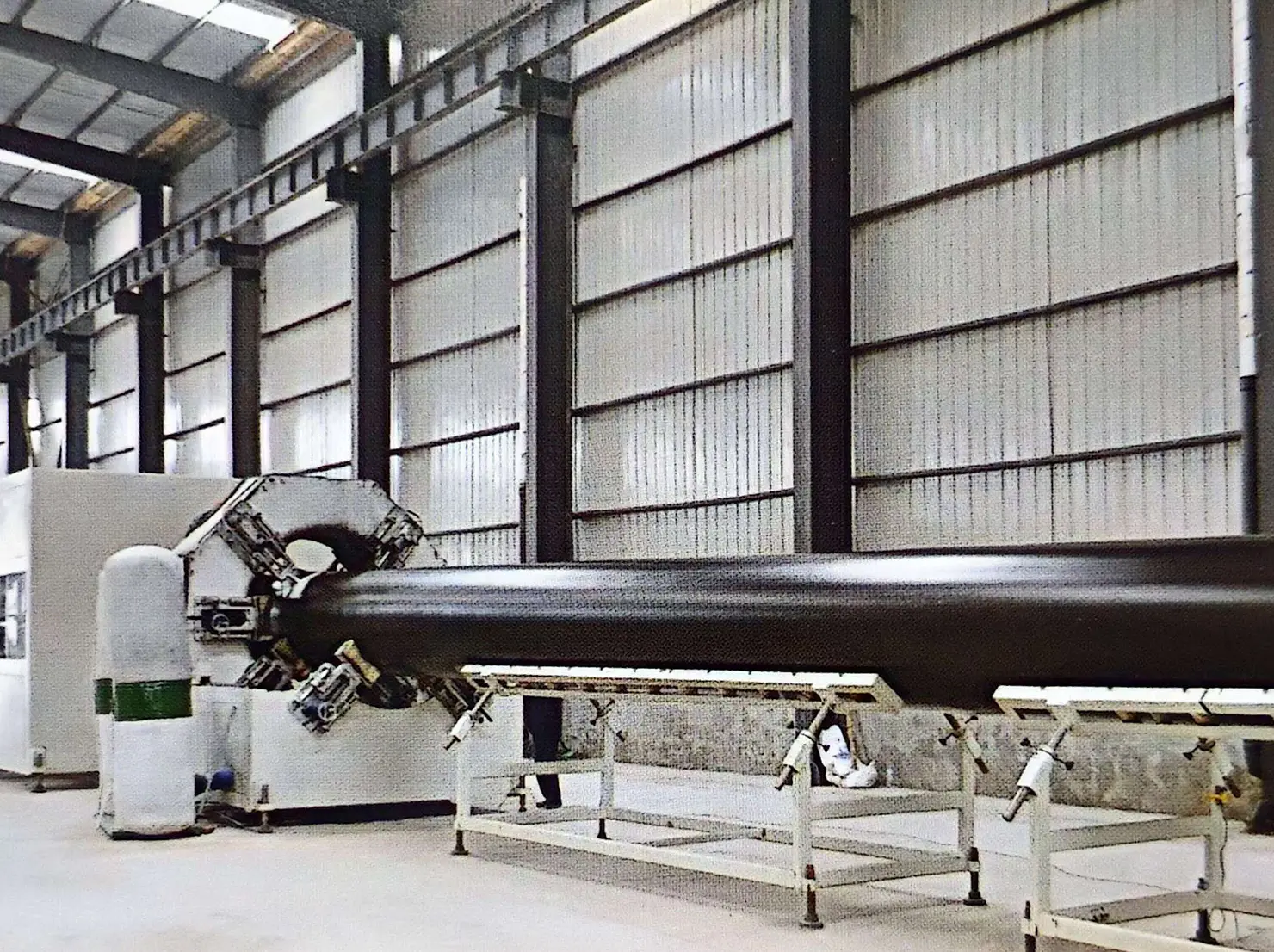
Established in 2003, Shaanxi Kerlimar Engineers Co., Ltd. has evolved into a powerhouse of international trade and precision manufacturing. Specializing in carbon steel, alloy steel, and stainless steel, we serve as a nexus between high-grade Chinese manufacturing and global industrial standards. Our expertise spans across Seamless Pipes, ERW, and Spiral Welded Pipes, ensuring a perfect fit for every project's unique pressure and temperature requirements.
The future of heavy wall pipe manufacturing is intrinsically linked to Material Science Innovation and Green Energy Integration. At Kerlimar, our roadmap focuses on several key technological pillars:
Researching the addition of nano-precipitates to carbon steel matrices to increase yield strength without compromising weldability, crucial for heavy wall applications where traditional welding can induce stress.
Integrating fiber-optic sensors within the wall layers of carbon steel pipes to provide real-time data on stress, strain, and corrosion rates, transforming static infrastructure into intelligent assets.
Reducing the carbon footprint of production through our vertical axis wind power technology. Mr. Ming SUN's vision of "Clean Tech" aims to power pipe fabrication plants using renewable energy sources.
Global operations require deep local understanding. We provide localized support by aligning our products with specific regional codes:
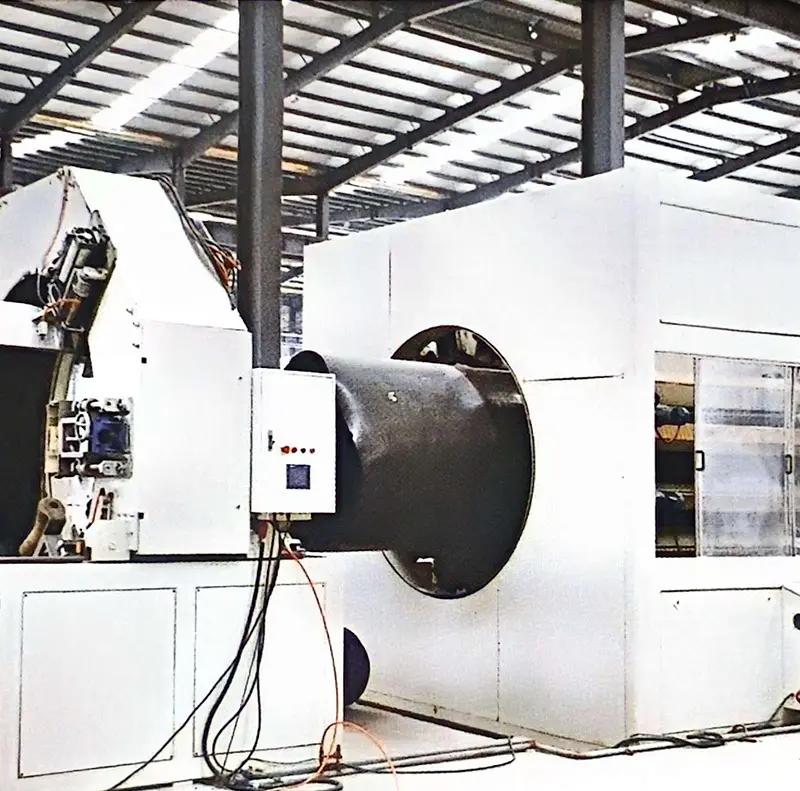
Heavy wall pipes are essential to prevent collapse under extreme ocean floor pressure. Our seamless pipes are used in riser systems for offshore platforms worldwide.
In the secondary cooling circuits of nuclear plants, carbon steel pipes with significant wall thickness provide the necessary safety margins against thermal fatigue.
Handling steam at temperatures above 600°C requires heavy wall thickness to maintain pressure without excessive pipe expansion.
Led by Mr. Ming SUN, a dedicated environmentalist, Shaanxi Kerlimar Engineers Co., Ltd. is not just a steel supplier but a technological innovator. Our journey into Vertical Axis Wind Power (VAWT) tech—with over 40 patents—is a testament to our commitment to the "Double Carbon" goals. By participating in global forums like COP28 in Dubai, we demonstrate that the heavy industry can lead the way in climate change mitigation.

 Kerlimar