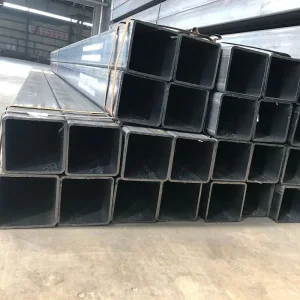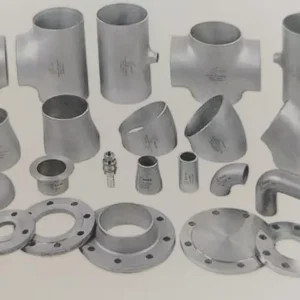
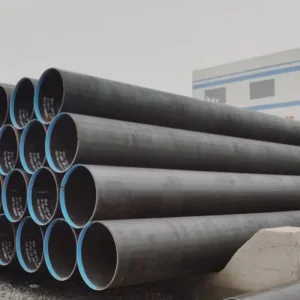
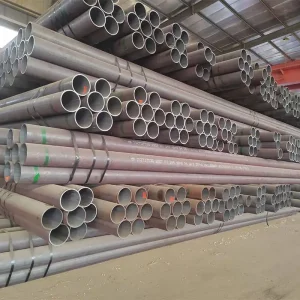
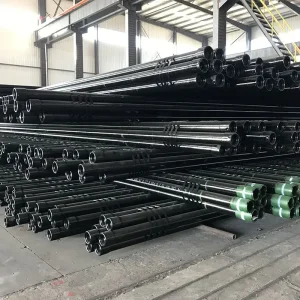
Established in 2003, Shaanxi Kerlimar Engineers Co., Ltd. has stood at the forefront of the international metallurgical trade and deep-well piping manufacturing sector. Over two decades of specialized operation have allowed us to curate a massive portfolio of seamless, ERW, and SSAW welded pipes, tailored in carbon steel, alloy steel, and corrosion-resistant stainless steel. We manufacture strictly according to standards including ASTM, ASME, EN, JIS, and API 5CT, securing a reputation for pristine reliability, structural durability, and rapid cross-border distribution logistics.
Under the vision of our chairman, Mr. Ming SUN—a dedicated environmentalist and technological innovator—Kerlimar has evolved beyond piping. Beginning in 2019, we leveraged our deep mechanical fabrication expertise to engineer next-generation vertical axis wind turbines, acquiring over 40 domestic patents and several international patents. Our dual focus on piping infrastructure and clean energy aligns with global initiatives like the COP28 Dubai Conference, driving down the carbon footprint of structural well installations globally.
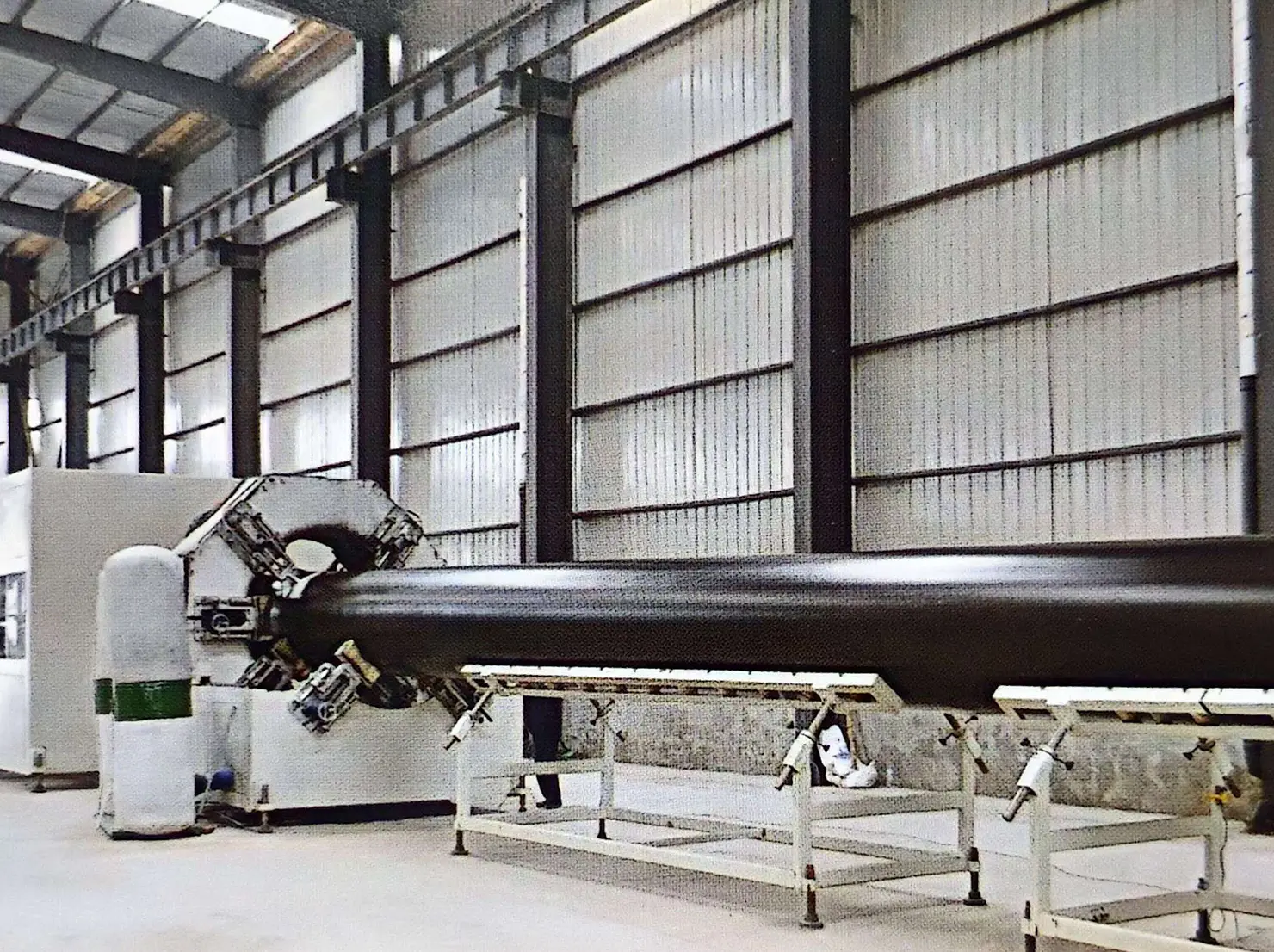
In the contemporary landscape of subsurface hydrology, geothermal development, and subsea hydrocarbon extraction, the integrity of well casing and piping systems is paramount. The traditional reliance on low-carbon steel casing has introduced staggering operational costs due to premature corrosion, biological fouling, and structural collapse under geological tectonic shifts. Consequently, the global shift toward premium stainless steel well pipes has accelerated, driven by the demand for infrastructure with a designed lifecycle exceeding 50 to 100 years.
Stainless steel, particularly austenitic and duplex grades, offers unique passive film protection that remains stable even in highly anaerobic, chloride-rich aquifers or sour oilfields containing high levels of hydrogen sulfide (H2S) and carbon dioxide (CO2). By utilizing optimized pipe alloys, operators mitigate the risk of corrosion-induced casing collapse, which can cause catastrophically expensive well-loss events.
Geothermal fluids routinely exceed temperatures of 150°C and carry aggressive dissolved mineral matrices, including chlorides, silicates, and heavy metals. Standard carbon steel casings undergo rapid pitting and galvanic corrosion in these environments. High-performance stainless steel well pipes provide the required thermal expansion stability and resistance to chloride stress-corrosion cracking (SCC).
Urban water supply wells are increasingly drilled to deeper aquifers to avoid surface pollutant plumes. Maintaining hygienic purity requires casings that do not release ferric oxide deposits or accommodate biofilm cultivation. Austenitic stainless steel (304L/316L) remains the globally accepted gold standard for hygienic municipal water casings.
Subsea wells encounter high-pressure, high-temperature (HPHT) regimes in marine environments where failure repairs are prohibitively expensive. Stainless steel and corrosion-resistant alloys (CRAs) act as the primary barrier against high salt concentrations and sour gases, ensuring structural integrity from mudline to production packer.
Selecting the optimal stainless steel grade is a balance of mechanical requirements, chemical parameters of the fluid media, and geological stress factors. Key considerations include the Pitting Resistance Equivalent Number (PREN), calculated as:
A higher PREN indicates superior resistance to localized pitting in high-chloride deep-well environments. Below is our design guidance for common stainless steel piping grades deployed in modern water extraction and oilfield completions:
| Stainless Steel Grade | UNS Designation | PREN Range | Tensile Strength (MPa) | Primary Deep-Well Application Environments |
|---|---|---|---|---|
| AISI 304 / 304L | S30400 / S30403 | 18.0 – 20.0 | ≥ 485 | Shallow to medium depth municipal water wells, low chloride levels (< 200 mg/L). |
| AISI 316 / 316L | S31600 / S31603 | 23.0 – 25.0 | ≥ 485 | Corrosive municipal water, deep well pumping, medium chloride profiles (< 1000 mg/L). |
| Duplex 2205 | S32205 | 31.0 – 36.0 | ≥ 655 | High-pressure deep aquifers, geothermal wells, high-velocity corrosive environments. |
| Super Duplex 2507 | S32750 | 40.0 – 43.0 | ≥ 800 | High-salinity brine wells, marine offshore well casings, oilfield chemical injection lines. |
| Super Austenitic 904L | N08904 | 32.0 – 38.0 | ≥ 490 | Highly acidic environments containing trace sulfuric or phosphoric concentrations, deep injection wells. |
At Shaanxi Kerlimar Engineers Co., Ltd., we combine metallurgic supply chains with sustainable technological innovations. Under the guidance of Mr. Ming SUN, our ongoing research into vertical axis wind turbines has led to a major alignment of our mechanical manufacturing divisions. By incorporating green energy and wind-assisted generation into our production framework, we work to lower the embodied carbon value of our steel products.
This commitment to technological advancement earned our enterprise the national High-tech Enterprise certification in 2020. Furthermore, our innovations were highlighted at the China-Finland High Technology Match Conference and recognized with the Excellence Award at the 11th China Innovation and Entrepreneurship Competition in 2022. By integrating carbon-reduction technologies directly into our industrial manufacturing practices, we help global clients achieve their Scope 3 emission-reduction targets.
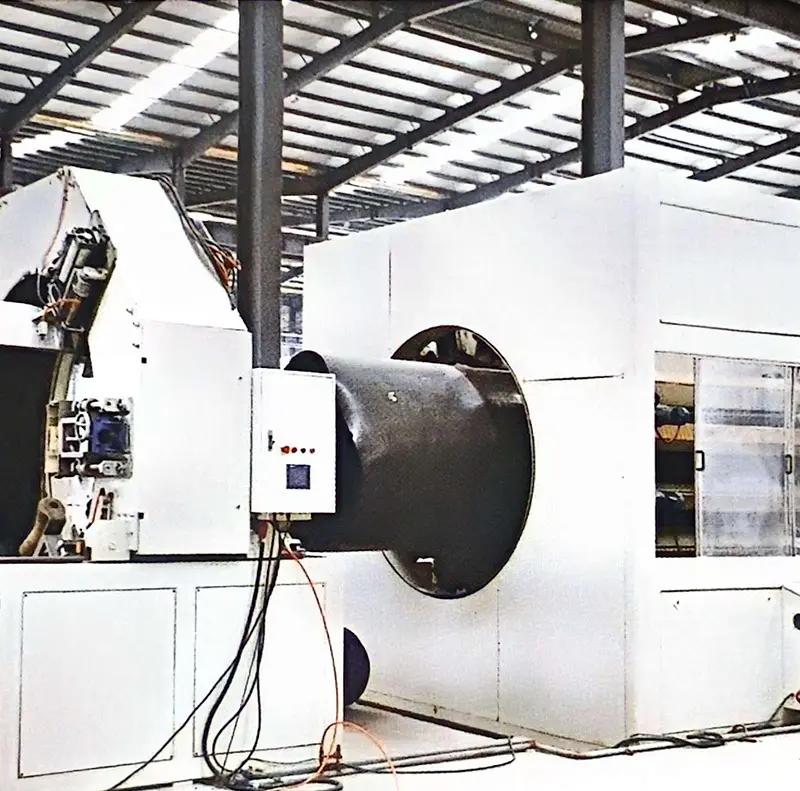

Deep-well drilling and fluid extraction operations are energy-intensive and often located in remote areas far from the municipal power grid. Diesel generators have historically been the only power source, leading to high emissions. Kerlimar’s development of 10kW to 500kW vertical axis wind turbines offers a clean alternative for powering these remote sites.
These modular, low-wind-speed wind systems can be integrated with water pumping stations, oilfield wellheads, and agricultural systems. The reliability and safety of these units allow operators to build localized microgrids, cutting carbon output while maintaining continuous, long-term extraction capabilities.
The subsurface completion environment is demanding deeper wells, higher temperatures, and increased concentrations of corrosive agents. To meet these needs, Shaanxi Kerlimar Engineers has established a technical development roadmap focused on three key areas:
Duplex 2205 should be specified when the operating environment exceeds 60°C and has chloride levels above 1000 mg/L, or when high mechanical collapse resistance is required. Duplex 2205 offers twice the yield strength of 316L, allowing for thinner pipe walls without sacrificing structural integrity, and it provides superior resistance to chloride stress-corrosion cracking (SCC).
Our focus on clean energy, spearheaded by Mr. Ming SUN, drives us to optimize our manufacturing processes. We work to reduce waste, implement energy-efficient welding technologies, and source high-quality raw materials with verified recycled content, helping our customers minimize their Scope 3 supply chain emissions.
Seamless pipes are typically specified for high-pressure, critical offshore oil wells due to their uniform wall thickness and lack of weld lines. However, our precision ERW (Electric Resistance Welded) and SSAW (Spiral Submerged Arc Welded) pipes undergo strict post-weld heat treatment, offering a cost-effective, high-reliability alternative for shallow to medium-depth municipal, geothermal, and industrial wells.
MIC is caused by sulfate-reducing bacteria (SRB) that gather in biofilm layers. To prevent this, our pipes undergo full-immersion pickling and passivation, creating a smooth surface that limits biofilm adhesion. For high-risk wells, specifying molybdenum-alloyed stainless steels like 316L or Duplex 2205 provides additional resistance to local MIC attacks.
We manufacture in accordance with global standards, including ASTM A312 (for seamless and welded austenitic stainless steel pipes), ASTM A790 (for duplex stainless steel pipes), API 5CT (for casing and tubing), and equivalent European EN and Japanese JIS specifications, ensuring compliance with international project codes.
Yes, but precautions must be taken to prevent galvanic corrosion where the two metals connect. We recommend using non-conductive dielectric isolation kits, insulating gaskets, or specialized coated heavy-wall transition joints to isolate the dissimilar metals and prevent accelerated corrosion of the carbon steel.
Every production batch undergoes testing, including hydrostatic pressure testing, ultrasonic weld inspections, eddy current testing, metallurgical analysis, and tensile strength assessments. We also provide full EN 10204 3.1 material test certificates (MTC) to guarantee material traceability and verify chemical composition.
Under typical operating parameters within specified chemical ranges, our stainless steel casings have a design lifespan exceeding 50 to 80 years. This longevity significantly reduces the need for well intervention and replacement compared to carbon steel casing, which often requires replacement within 10 to 20 years.
Our patented VAWT designs are engineered to capture wind from any direction without requiring complex yaw mechanisms. For remote wells, irrigation systems, or pipeline monitoring stations, these turbines provide a reliable power source, reducing operational costs and dependence on fossil-fuel diesel generation.
Through our engineering department, we offer custom manufacturing for specific well projects. Please provide details on your well depth, geological pressure, fluid composition (chlorides, pH, temperature), and connection type (threaded, beveled, slip-on). Our technical team will recommend the appropriate material grade and wall thickness for your project.
 Kerlimar