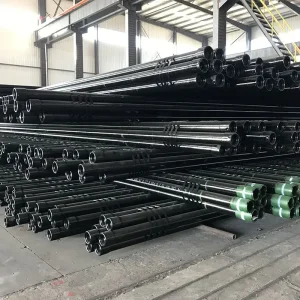
Engineered to meet stringent global pipeline specifications. Explore our top 8 selected industrial flow solutions.
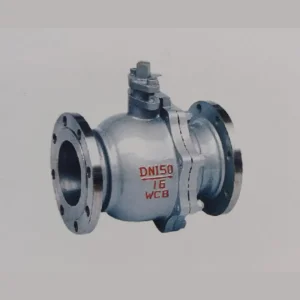
An authoritative analysis of critical flow isolation, seat mechanics, and in-line serviceability.
In modern high-temperature, high-pressure process pipelines, shutdown cycles and maintenance times directly dictate operational profitability. Standard double-flanged or wafer butterfly valves require complete removal from the piping manifold for internal inspection, seat replacement, or seal remediation. This process increases downstream risks, disrupts operational continuity, and incurs heavy labor overhead.
The Top Entry Butterfly Valve bypasses this constraint entirely. Featuring a unique top-accessible bonnet cover, maintenance technicians can completely extract the valve stem, disc, and inner sealing rings directly from the top interface while the valve body remains securely welded or bolted in place. By introducing this structural advantage, plants cut maintenance downtime from days to hours, ensuring compliance with continuous production demands in refineries, power generation assets, and large-scale industrial chemical lines.
Remove internal components for repairs or replacement without detaching the valve body shell from the pipe network.
Incorporates an eccentric shaft design that minimizes friction between the disc and the seat, optimizing longevity.
Engineered for fire-safe performance (API 607 compliant) utilizing robust metal-to-metal contact rings.
To ensure compatibility with corrosive media, high temperatures, and high velocity flows, top entry butterfly valves are cast from high-integrity materials:
Fusing traditional pipeline precision with cutting-edge clean tech and global trade expertise.
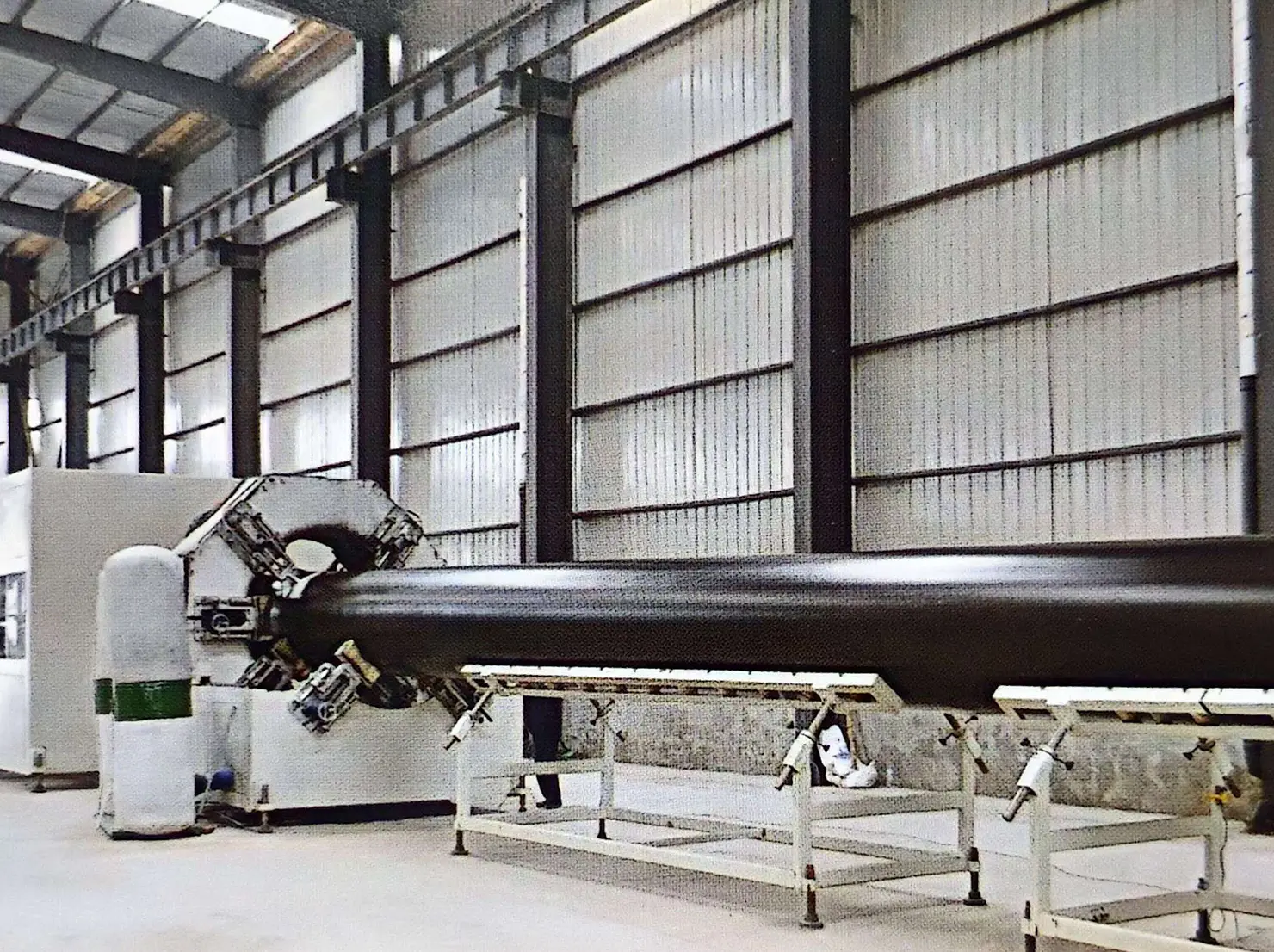
Established in 2003, Shaanxi Kerlimar Engineers Co., Ltd. has developed deep roots in international pipeline supply chains. Under the visionary stewardship of our Chairman, Mr. Ming SUN—a dedicated environmentalist and technological pioneer—we have aligned carbon and alloy piping manufacturing with futuristic sustainability goals.
Beginning in 2019, in response to national mandates for industrial innovation, our team launched extensive R&D programs addressing renewable energy. Specifically, we have focused on vertical-axis wind turbine designs, leveraging grid structures, magnetic levitation (maglev), and floating structures. With over 40 patents authorized by the State Intellectual Property Office and multiple PCT international filings, our technology-first ethos extends directly into the quality control of our industrial valve production.
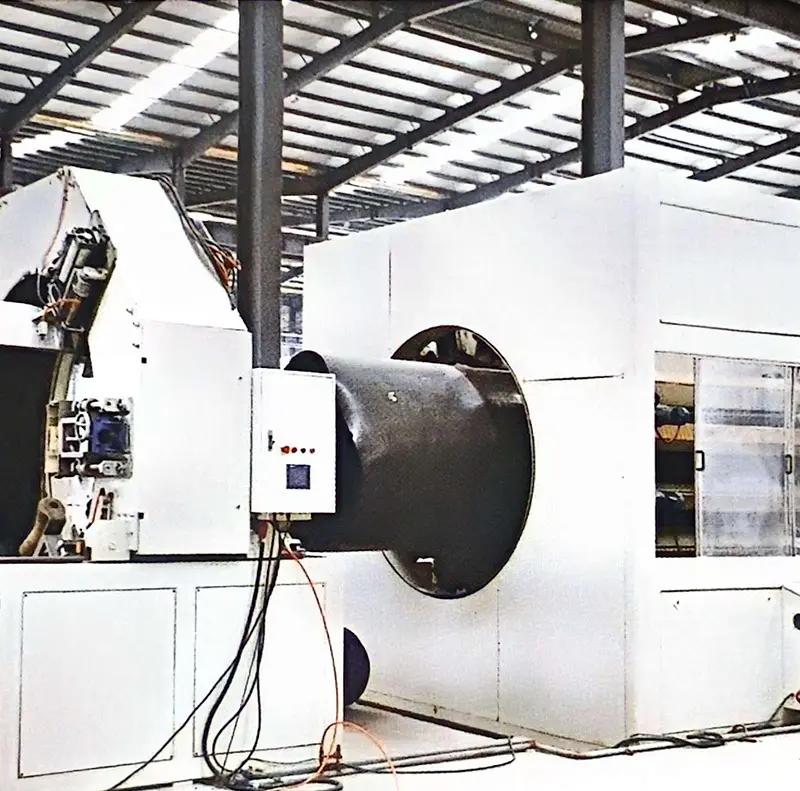
In December 2020, Shaanxi Kerlimar earned national High-tech Enterprise certification. We have actively engaged with international innovation hubs, presenting at the China-Finland High Technology Match Conference and earning Excellence awards at the 11th China Innovation and Entrepreneurship Competition.
Our international impact reached a milestone in December 2023 when we were invited to present at the COP28 Conference in Dubai. Here, we championed our carbon mitigation solutions and highly efficient wind turbine prototypes (10KW-500KW). We remain dedicated to assisting global partners in achieving carbon-neutrality goals while supplying durable flow control hardware designed to minimize methane slippage and process emissions.

Unveiling the technological, economic, and logistical advantages of Shaanxi-based heavy industrial manufacturing.
The manufacturing ecosystem of China has evolved from high-volume production to precision engineering. Modern Chinese factories incorporate state-of-the-art CNC machining complexes, automatic overlay welding (such as Stellite cobalt-base hardfacing on valve seats), and non-destructive testing (NDT) labs. Below are the key pillars supporting China's competitive advantage in top entry butterfly valve production:
China's industrial valve hubs integrate casting and forging foundries directly with raw material producers and precision machining hubs. This structure reduces transport costs and guarantees material consistency. We analyze carbon and alloy steel composition via optical emission spectrometers prior to pouring, ensuring zero mechanical anomalies in final cast products.
Our manufacturing lines adhere to major international piping specifications:
By utilizing optimized molding designs, robotized weld overlays, and streamlined local supply networks, we deliver top entry valves at highly competitive prices. This allows plant owners and engineering, procurement, and construction (EPC) contractors to optimize capital expenditures (CAPEX) without compromising process reliability or safety margins.
Custom engineering solutions for complex fluid management, harsh process parameters, and international megaprojects.
Reliable operation in crude oil pipelines, refining units, and storage tank terminals where fugitive emissions must be controlled.
Corrosion-resistant materials like Duplex or Hastelloy bodies handle acids, bases, and highly reactive chemicals.
Withstands cyclic thermal loads in high-pressure superheated steam networks and municipal district heating pipelines.
International engineering consortia and project managers demand rigorous procurement processes. Our services are structured to address these exact concerns:
Get authoritative answers to common design, application, and procurement questions.
What defines a "Top Entry" design, and how does it compare to a standard wafer butterfly valve?
A top-entry design features an integrated top-opening bonnet that allows maintenance personnel to access and extract the valve internals (stem, disc, and seats) directly from the top. Standard wafer or lug butterfly valves require technicians to completely disconnect flanged pipeline joints and physically lift the entire valve body from the line for service. Top entry designs minimize maintenance hours, reduce piping alignment issues, and lower labor costs.
Why is a triple offset geometry preferred for high-pressure butterfly valves?
Triple offset valves utilize three distinct offsets: the shaft centerline is offset from the sealing plane, the shaft is offset from the pipe center, and the seat cone axis is angled relative to the valve centerline. This geometry creates a camming effect, ensuring the disc only meets the seat at the final point of closure. This design eliminates sliding friction, reduces seat wear, lowers operating torque, and guarantees a tight metal-to-metal seal.
How does Shaanxi Kerlimar verify the quality of its pressure-retaining castings?
We conduct strict quality control processes. All raw materials undergo positive material identification (PMI) and spectroscopic analysis. Castings undergo radiography testing (RT), magnetic particle testing (MT), and ultrasonic testing (UT) according to ASME specifications. We verify pressure containment via hydrostatic and pneumatic testing in strict compliance with API 598.
Can top entry butterfly valves handle abrasive slurries or solids-bearing fluids?
Yes. By applying hardfacing overlays (such as Stellite 6 or tungsten carbide) to the metal seat and the periphery of the disc, these valves can handle abrasive materials. The top entry configuration also simplifies the process of replacing worn components in abrasive environments.
What actuator options are available for industrial top-entry systems?
We provide bare-shaft valves for localized customization, as well as integrated systems equipped with manual gear operators, pneumatic double-acting or spring-return actuators, high-torque electric actuators (Auma, Rotork, etc.), and electro-hydraulic control packages configured for Emergency Shutdown (ESD) applications.
Engineered to support global thermal, chemical, and mineral extraction processes.
 Kerlimar