Direct-to-factory technical product ranges offering anti-corrosion, advanced thermal control, precision welding, and flow systems.
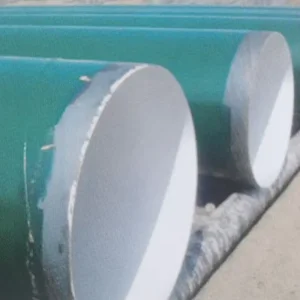
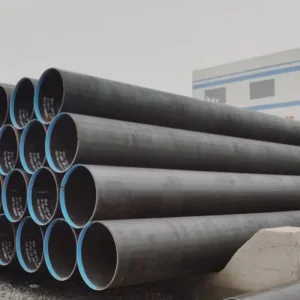
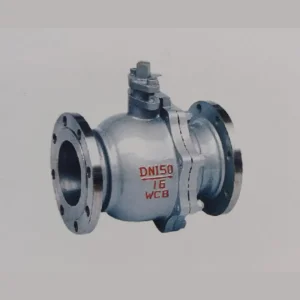
Exploring Hollow Structural Sections (HSS), raw material compositions, manufacturing tolerances, and structural loading principles.
The 2" square steel pipe (commonly referred to in mechanical engineering standards as 2x2 Hollow Structural Section or HSS) represents one of the most versatile structural elements globally. Its perfectly symmetrical cross-section delivers uniform resistance to torsion, bending, and axial compression. Unlike open profiles like I-beams or channels, the closed-loop design of square tubing significantly reduces lateral-torsional buckling risks, making it the preferred choice for frameworks, heavy machinery bases, offshore platforms, and infrastructure construction.
From a manufacturing standpoint, these pipes are produced using two main pathways: Electric Resistance Welding (ERW) and Seamless Extrusion. The ERW pathway involves high-frequency continuous induction welding of hot-rolled or cold-rolled steel coils, offering high dimensional precision, tight wall tolerances, and smooth surface finishes. The seamless pathway, on the other hand, utilizes hot piercing of solid round steel billets to achieve a continuous crystalline structure, eliminating any potential heat-affected weld zone (HAZ) and maximizing hydrostatic capacity.
Under international standards, precise geometry is crucial for automated welding and CNC machining. 2" square steel pipes manufactured by leading Chinese facilities guarantee:
| Outside Dimension | ±0.5% or ±0.015 inches |
| Wall Thickness | ±10% of nominal thickness |
| Straightness | ≤ 1/16 inch per 3 feet |
| Squareness of Sides | 90° ± 1.5% |
| Nominal Size (in) | Wall Thickness (in / ga) | Weight per Foot (lbs/ft) | Cross-Sectional Area (in²) | Moment of Inertia I (in⁴) | Radius of Gyration r (in) |
|---|---|---|---|---|---|
| 2" x 2" | 0.083" (14 Ga) | 2.16 lbs/ft | 0.637 in² | 0.372 in⁴ | 0.764 in |
| 2" x 2" | 0.120" (11 Ga) | 3.05 lbs/ft | 0.898 in² | 0.485 in⁴ | 0.741 in |
| 2" x 2" | 0.188" (3/16") | 4.32 lbs/ft | 1.270 in² | 0.620 in⁴ | 0.699 in |
| 2" x 2" | 0.250" (1/4") | 5.41 lbs/ft | 1.590 in² | 0.710 in⁴ | 0.668 in |
A detailed look into the 21-year history, global technology patents, and clean-energy adaptations of Shaanxi Kerlimar Engineers Co., Ltd.
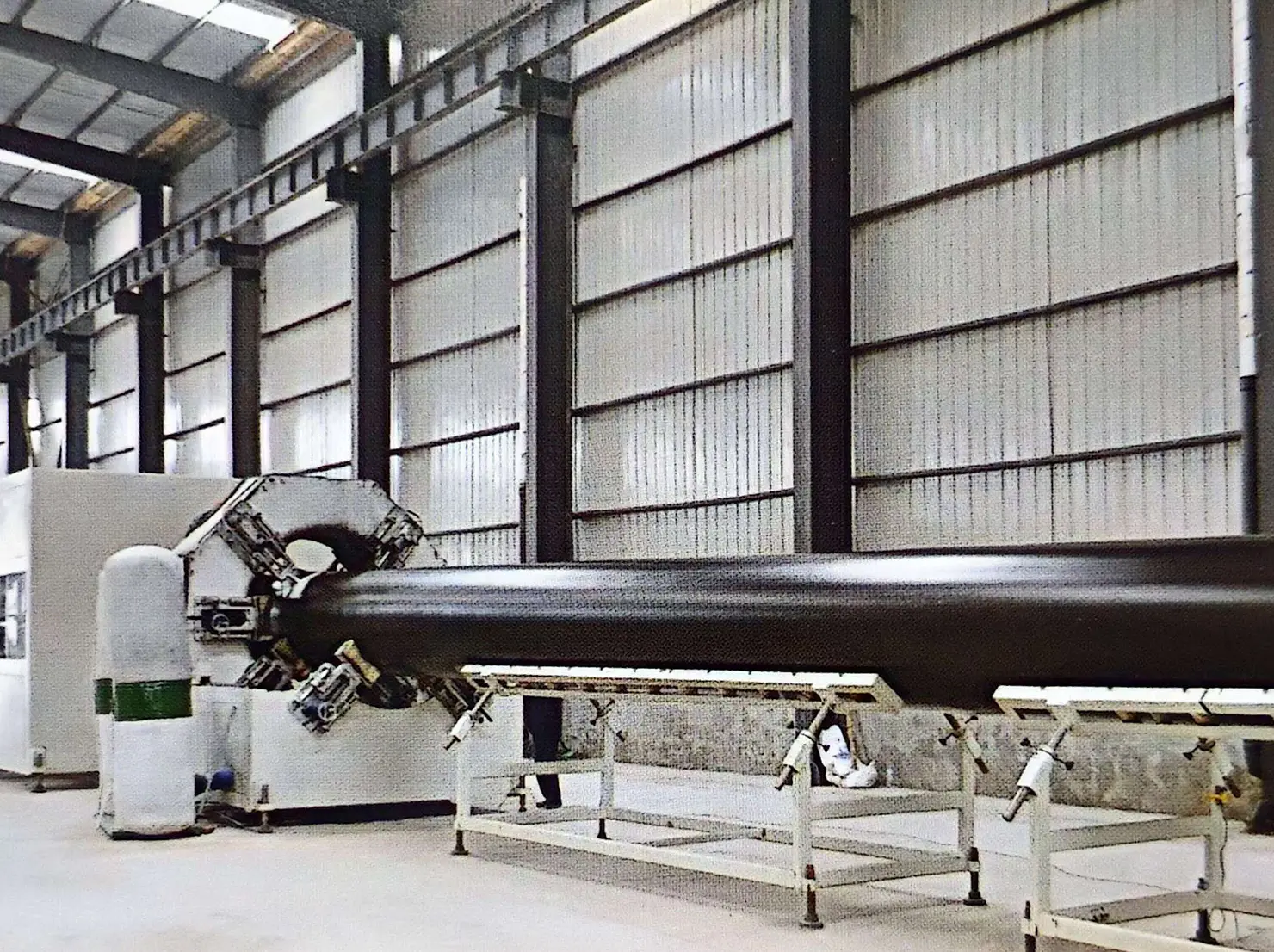
Established in 2003, Shaanxi Kerlimar Engineers Co., Ltd. has spent more than two decades refining its metallurgical export supply chains, delivering carbon steel, alloy steel, and stainless steel tubes. The company’s portfolio encompasses seamless pipes, straight-seam welded pipes, spiral welded pipes, and customized fittings matching ASTM, ASME, EN, and JIS guidelines. Through strict compliance with international structural codes, Kerlimar ensures timely distribution, high quality, and competitive pricing for projects spanning six continents.
Beyond traditional distribution channels, Kerlimar stands out through its focus on green technology integration. Under the stewardship of its chairman, Mr. Ming SUN—an advocate for climate action and technological innovation—the company initiated clean energy technology research and development in 2019. This initiative yielded a series of high-performance vertical axis wind turbine designs, using multi-level grid structures, suspension magnetic levitations, and high-strength cable networks that incorporate steel structures to combat climate change challenges.
By blending structural steel distribution with clean-energy hardware engineering, Kerlimar has received multiple national and global accolades. In December 2020, Shaanxi Kerlimar was awarded the national High-Tech Enterprise Certification. This was followed by an invitation to participate in the China-Finland High Technology Match Conference in June 2021, and winning the Excellence Award in the 11th China Innovation and Entrepreneurship Competition in August 2022.
Crucially, in December 2023, the company participated in the Dubai COP28 Conference, showcasing how high-durability steel piping and innovative vertical axis wind systems contribute to keeping global temperature rises below 1.5°C. Currently, their 10KW-500KW experimental wind turbine units showcase how specialized structural pipe grids deliver high reliability and low maintenance in challenging environments.
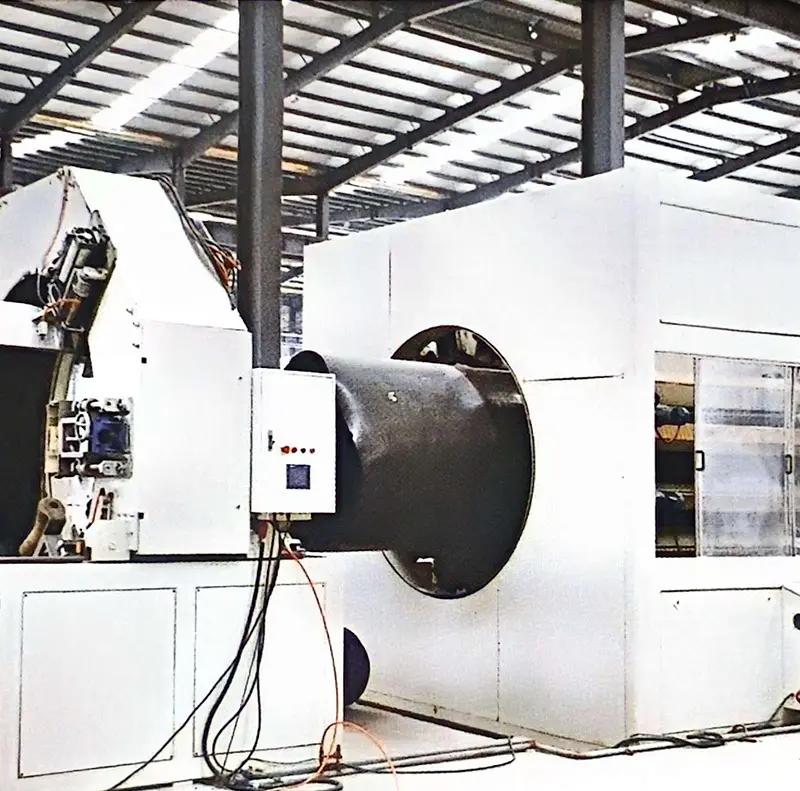
Why international engineering firms source 2" square steel pipes from integrated industrial zones in China.
Chinese steel mills offer direct access to low-cost hot-rolled coil (HRC) raw materials, insulating global buyers from regional raw material shortages and volatile pricing surges.
Advanced factories feature inline laser cutters, high-precision slotting, robotic welding nodes, and automated hot-dip galvanizing lines operating under one single roof.
Most manufacturers are backed by CNAS-certified labs capable of executing Charpy V-notch impact, hydrostatic pressure, and non-destructive eddy current testing.
Beyond raw production output, Chinese manufacturers lead in the application of anti-corrosion science. When exporting 2" square steel pipes, factories customize outer coatings to target specific climates. Options range from standard black oil varnishes for indoor structural use to heavy-duty Hot-Dip Galvanizing (HDG) reaching zinc coatings over 85 μm (610 g/m²), offering 50+ year protection in marine and coastal installations. For premium aesthetics and urban infrastructure, polyester powder coatings and electro-galvanized finishes are applied under computer-controlled thermal curing systems.
Examining structural installations utilizing 2" (50.8mm) square structural steel profiles across diverse environments.
2" square pipes serve as ground mounting piles and panel brackets. Their torsional strength helps them withstand wind loads and snow loads in large utility-scale solar farms.
Heavy machinery structures, assembly conveyor systems, and vehicle trailers utilize ASTM A500 Grade C steel tubes to absorb vibrations and protect operational components.
Integrating with Kerlimar's clean energy patents, these structural square tubes form robust space grids for land and floating wind power support networks.
In structural engineering, structural integrity during seismic events is critical. 2" square steel pipes conform to strict requirements due to their balanced cross-sectional shape, allowing them to absorb energy uniformly during cycles of stress. Compared to traditional angle iron or channel steel, square hollow sections provide up to 40% higher torsional load resistance, saving steel weight while improving architectural design flexibility.
Verifying performance metrics before the material departs the factory floor.
For international buyers purchasing large consignments of steel pipes, standard metallurgical testing is vital. Quality control protocols follow standard operational steps:
Every shipment of 2" square steel pipes must be accompanied by an MTC conforming to EN 10204 Type 3.1 or 3.2. This document verifies the trace chemical heat analysis and physical test histories, linking the shipment back to its furnace origin.

Addressing common engineering and logistics questions from procurement managers and project designers.
Review our complementary range of high-pressure fittings, API casing, thermal insulation systems, and precision welding connections.
 Kerlimar