Explore our elite selection of industrial pipes, specialized fittings, and oilfield machinery, built for severe service conditions.
Deciphering chemical configurations, pitting resistance equivalents, and structural phase transformations for modern piping systems.
In modern industrial plant design and pipeline engineering, selecting the appropriate stainless steel pipe grade is a mission-critical process. The performance of these materials is governed by their microstructure—principally categorized into Austenitic, Duplex, Super Duplex, Ferritic, and Martensitic phases. The allocation of alloying elements such as Chromium (Cr), Nickel (Ni), Molybdenum (Mo), and Nitrogen (N) directly dictates the mechanical characteristics, heat resistance, and corrosion fatigue limitations of the final product.
Characterized by a face-centered cubic crystal structure, Austenitic grades like 304, 304L, 316, and 316L represent the workhorses of standard process engineering. Incorporating a high percentage of Chromium and Nickel, they offer outstanding ductility, ease of welding, and exceptional performance across cryogenics to high-heat sectors.
Designed with a dual-phase microstructure consisting of approximately equal parts of ferrite and austenite, Duplex grades yield double the yield strength of traditional austenitic stainless steels. Possessing high Molybdenum and Nitrogen additions, they display superior resistance to stress corrosion cracking (SCC) in harsh chloride environments.
For applications where standard grades fail, custom formulations like 904L, Alloy 20, and Titanium-stabilized grades (321/347) are employed. These contain balanced additions of Copper, Niobium, and Titanium to prevent chromium carbide precipitation at high welding temperatures and combat aggressive sulfuric systems.
| Grade Designation | UNS Code | Typical Chemical Composition | Yield Strength (MPa) | Pitting Resistance (PREN) | Primary Application Environments |
|---|---|---|---|---|---|
| 304 / 304L | S30400 / S30403 | 18% Cr, 8% Ni, Max 0.03% C (L-grade) | 205 Min | 18 - 20 | General construction, food processing, structural tubes, low-corrosion process piping. |
| 316 / 316L | S31600 / S31603 | 16% Cr, 10% Ni, 2% Mo, Low Carbon | 220 Min | 23 - 25 | Chemical handling, marine pipelines, pharmaceutical reactors, coastal architectural setups. |
| Duplex 2205 | S32205 / S31803 | 22% Cr, 5% Ni, 3% Mo, 0.18% N | 450 Min | 34 - 36 | Oil & Gas subsea pipelines, chemical tankers, geothermal extraction, high-stress heat exchangers. |
| Super Duplex 2507 | S32750 | 25% Cr, 7% Ni, 4% Mo, 0.27% N | 550 Min | > 40 | Offshore drilling rigs, desalination plants, seawater cooling, severe chemical processing. |
| 904L | N08904 | 20% Cr, 25% Ni, 4.5% Mo, 1.5% Cu | 220 Min | 34 - 36 | Dilute sulfuric acid systems, pulp & paper industries, electrostatic precipitators. |
For more than 21 years, Shaanxi Kerlimar Engineers Co., Ltd. has stood at the intersection of metallurgy, engineering design, and international commerce. We specialize in the production and supply of carbon steel, alloy steel, and premium stainless steel seamless, straight seam welded (ERW), and spiral welded (SSAW) pipes, alongside fully matched pipe fittings designed for extreme industrial workflows.
All our manufacturing processes align with internationally respected standards, including ASTM, ASME, EN, and JIS, ensuring absolute global interchangeability. We have optimized our logistical pathways and technical consulting channels to offer cost-competitive pricing, on-time delivery, and robust after-sales engineering support.
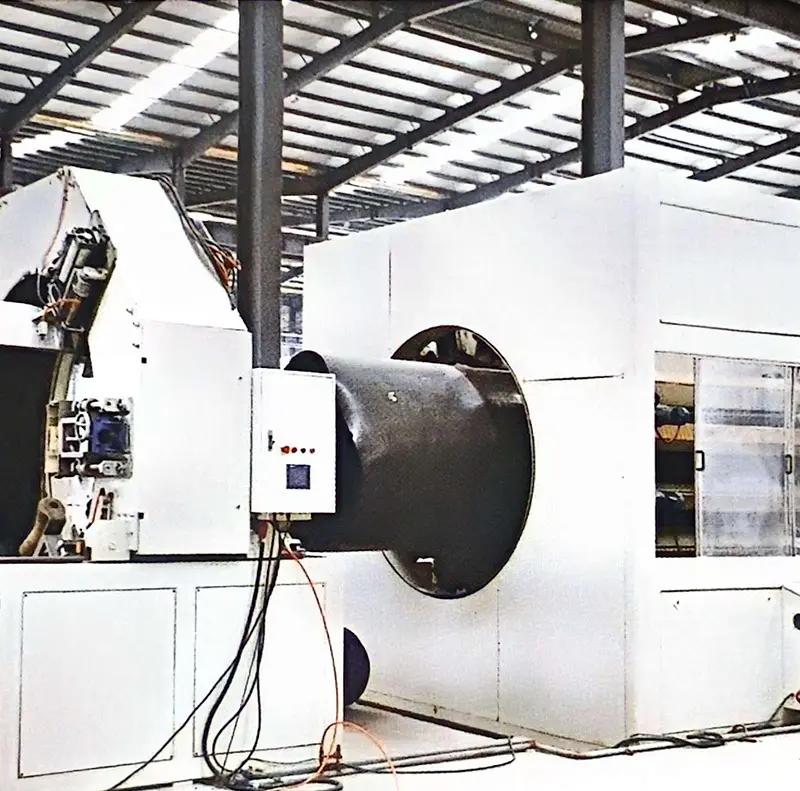
Decades of growth translated into measurable engineering achievements and recognized international authority.
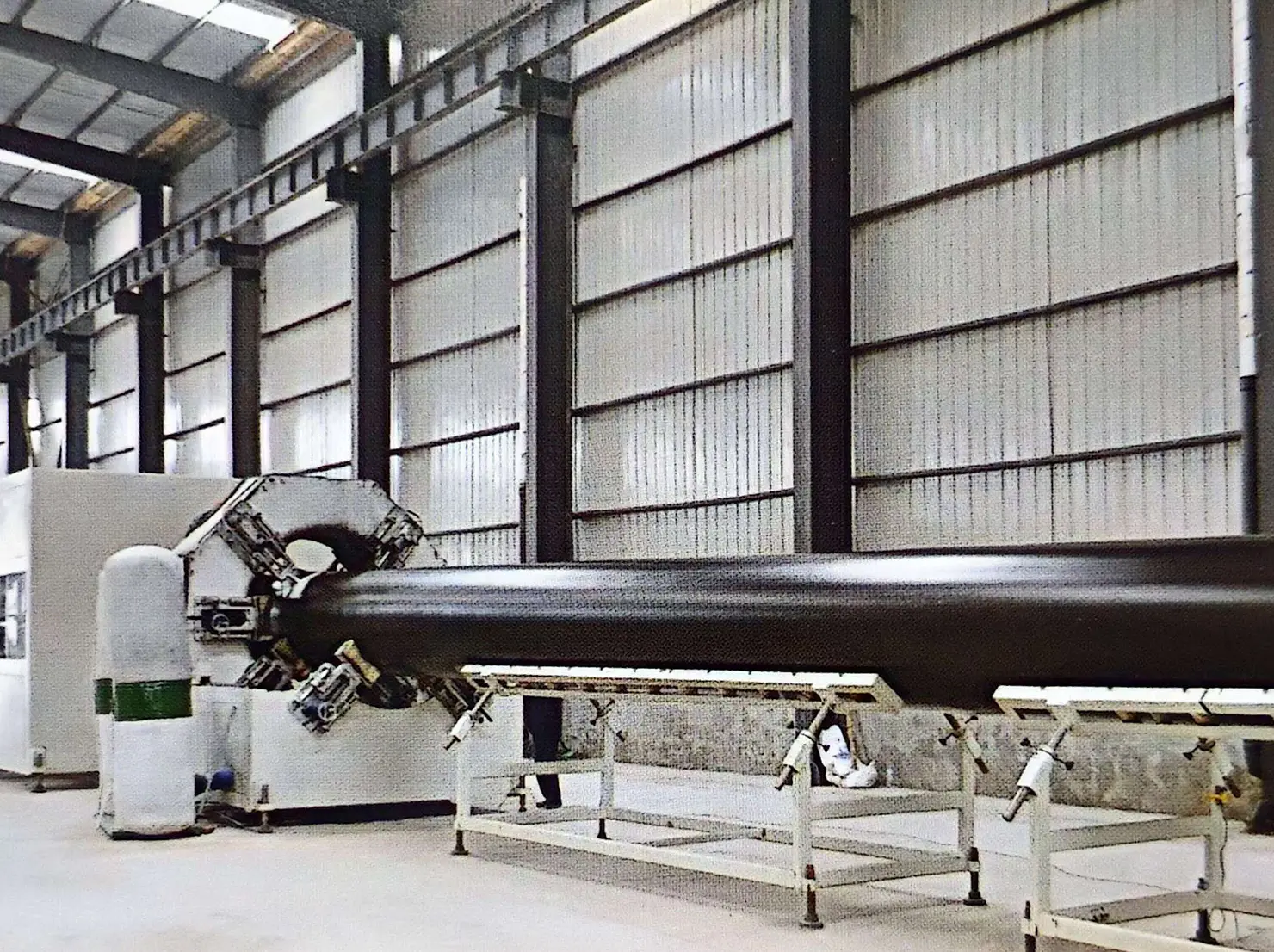
At Shaanxi Kerlimar, advanced industrial engineering works hand in hand with environmental responsibility. Our Chairman, Mr. Ming SUN, is an active environmentalist and a dedicated champion of technological innovation. Acknowledging the threat of global climate change, Mr. Sun has guided the company since 2019 to research and design green energy systems alongside our primary metallurgical divisions.
Specifically, our R&D division has made significant breakthroughs in Vertical Axis Wind Turbine (VAWT) technology. By focusing on magnetic levitation, floating grid structures, and cable-stayed marine structures, we have worked to resolve standard wind power bottlenecks. The State Intellectual Property Office has authorized over 40 patents for our proprietary designs, with multiple international patent filings active.
This deep commitment to structural stability, computational fluid dynamics (CFD), and wind turbine engineering informs our approach to metallurgy. It ensures the piping materials we supply for offshore wind turbines and green projects are ready for severe offshore conditions.
Our commitment to excellence has earned Shaanxi Kerlimar Engineers Co., Ltd. several notable accolades and invitations to high-level international forums:
By using efficient, reliable, and safe structural designs, we aim to support rural revitalization and assist global industries in meeting carbon neutrality targets. We work to support the critical global goal of keeping average warming below 1.5°C.

Why leading global EPC contractors choose Chinese manufacturing and Shaanxi Kerlimar's compliance structures.
We supply pipes that strictly meet global standards. We align our manufacturing to ASTM (A312, A790, A269), ASME (B36.19M, B36.10M), EN (10216-5, 10217-7), and JIS (G3459) specifications. Every product batch undergoes mechanical, chemical, and corrosion-resistance testing.
We work directly with engineering, procurement, and construction (EPC) teams to support local design criteria. This includes sourcing customized dimensional standards, preparing specific coatings, and designing specialized packaging for remote project sites.
Based in Shaanxi, China, we leverage direct access to high-purity iron ore, raw alloying metals, and efficient regional transport networks. This integration allows us to keep production cycles short and maintain stable pricing, even during volatile market periods.
Aligning structural grades to target operational conditions for optimal durability and lifespan.
Duplex 2205 and Super Duplex 2507 are widely specified here due to their resistance to chloride-induced stress corrosion cracking and pitting. They easily handle high operating pressures, sour hydrocarbons (H2S), and aggressive external marine environments.
For aggressive sulfuric, phosphoric, or hydrochloric acid circuits, specialized grades like 904L, Alloy 20, or Austenitic 316L are used. The addition of Copper and Molybdenum helps ensure safety and prolongs equipment service life.
Superheated steam circuits and power-generation boilers run at elevated temperatures. Stabilized austenitic grades like 321 or 347 (alloyed with Titanium/Niobium) are used to prevent intergranular corrosion and resist creep under high pressure.
Technical answers regarding grade selection, testing protocols, and global delivery logistics.
The primary difference is the addition of Molybdenum (typically 2.0% to 3.0%) in 316L. This element significantly improves pitting and crevice corrosion resistance in chloride-rich environments compared to 304L. Both feature low carbon contents (max 0.03%) to prevent sensitization during welding.
Duplex alloys feature a balanced 50/50 microstructural mix of ferrite and austenite. This design provides twice the yield strength of standard austenitic grades and outstanding resistance to pitting and stress corrosion cracking in seawater. This allows engineers to design thinner-walled, lighter pipelines without sacrificing safety margins.
We provide full documentation, including Mill Test Certificates (MTC) matching EN 10204 3.1 or 3.2, raw material heat chemical analyses, mechanical properties test reports, and non-destructive test results (ultrasonic, radiographic, and hydrostatic tests).
Our company actively integrates green energy solutions into our industrial production concepts. Led by Chairman Mr. Ming Sun, we hold over 40 patents in vertical axis wind energy technologies, reflecting our focus on minimizing the carbon footprint of our operations and manufacturing processes.
High-durability insulated tubing, carbon steel fittings, and high-precision welded pipes manufactured to international specifications.
 Kerlimar