Explore our premium product portfolio manufactured to international standards. Click for factory direct procurement options and customized structural solutions.
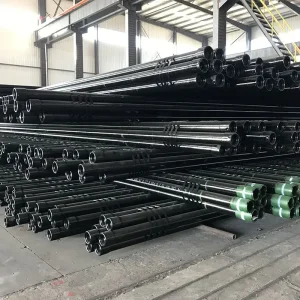
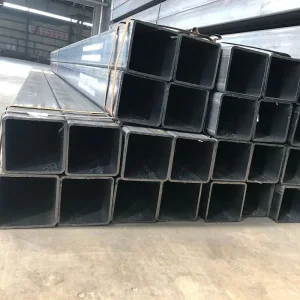
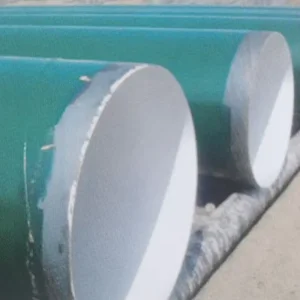
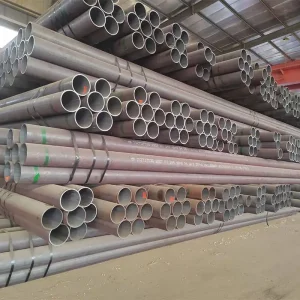
Galvanized carbon steel pipe technology has evolved beyond simple zinc coating. Historically utilized for basic water conveyance, modern carbon steel pipelines now integrate complex metallurgic profiles engineered to withstand mechanical and chemical stressors. In hot-dip galvanization, the molten zinc reacts with the underlying carbon steel substrate to form a series of zinc-iron alloy layers (namely, Gamma, Delta, and Zeta phases), capped by a pure zinc Eta outer layer. This intermetallic structure provides sacrificial (cathodic) protection and a robust physical barrier that effectively blocks oxidation.
With the rapid expansion of global heavy infrastructure, green energy plants, and deep geothermal extractions, structural integrity requirements have intensified. Modern engineering codes demand strict chemical composition controls, particularly regulating silicon (Si) and phosphorus (P) content to avoid the Sandelin range (0.05% to 0.15% Si), which causes excessively thick, brittle, and dark coatings. By maintaining optimal steel chemistry and employing state-of-the-art dipping automation, modern galvanized carbon steel manufacturers guarantee uniform zinc distribution with minimum coating weights of 610 g/m² (equivalent to 85 microns thickness) in compliance with ASTM A123/A153 standards.
Furthermore, current industrial trends highlight the shift towards high-strength low-alloy (HSLA) substrates. These alloys exhibit yield strengths exceeding 355 MPa without compromising weldability or cold-forming properties. Consequently, specialized suppliers must align their processes with dynamic industrial requirements, offering comprehensive compliance spanning physical properties, non-destructive testing (NDT), and microstructural validation.
International purchasing networks require rigorous validation of compliance benchmarks. Global engineering firms sourcing carbon steel pipes face challenges such as regional anti-dumping regulations, tariff barriers, volatile raw material indices, and localized compliance testing. Enterprise procurement is no longer driven solely by unit price; total cost of ownership (TCO), material traceability, and supply chain resilience are now key decision factors.
To mitigate risk, Tier-1 EPC contractors rely on suppliers that provide complete material transparency. Mill Test Certificates (MTCs) conforming to EN 10204 Type 3.1 or 3.2 are mandatory. These certificates verify chemical composition, mechanical characteristics (tensile strength, yield strength, elongation), and impact test results at sub-zero temperatures. Leading global manufacturers also implement digital inventory management and automated logistics networks to minimize lead times for major civil, industrial, and municipal piping installations worldwide.
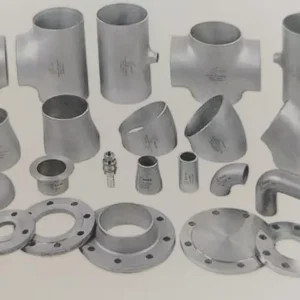
Established in 2003, Shaanxi Kerlimar Engineers Co., Ltd. has spent over two decades building a global reputation in the international trade of industrial piping systems. Our portfolio includes carbon steel, alloy steel, and stainless steel seamless, straight seam welded, and spiral welded pipes, along with matching butt welded fittings manufactured to international standards (ASTM, ASME, EN, JIS, API).
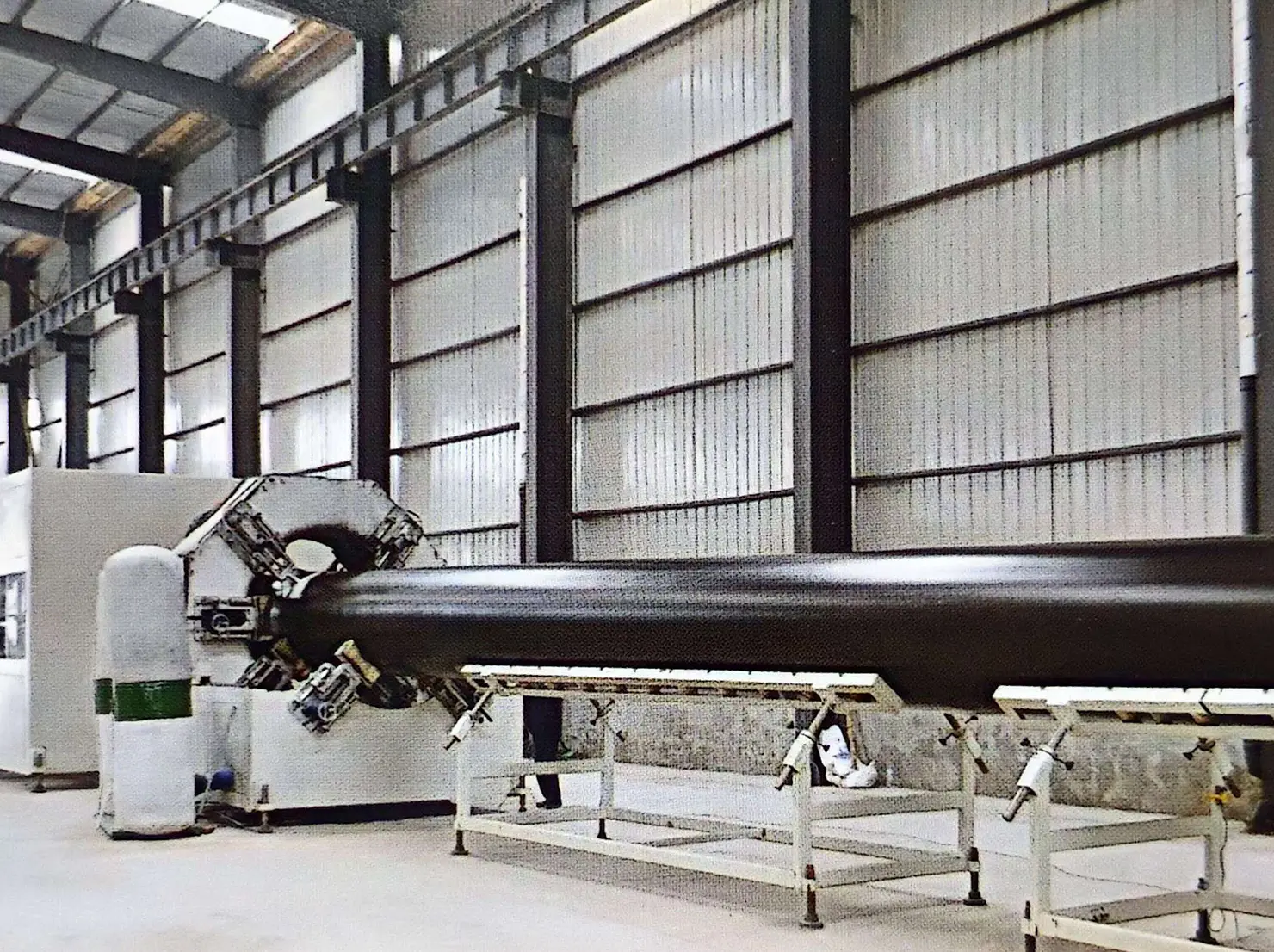
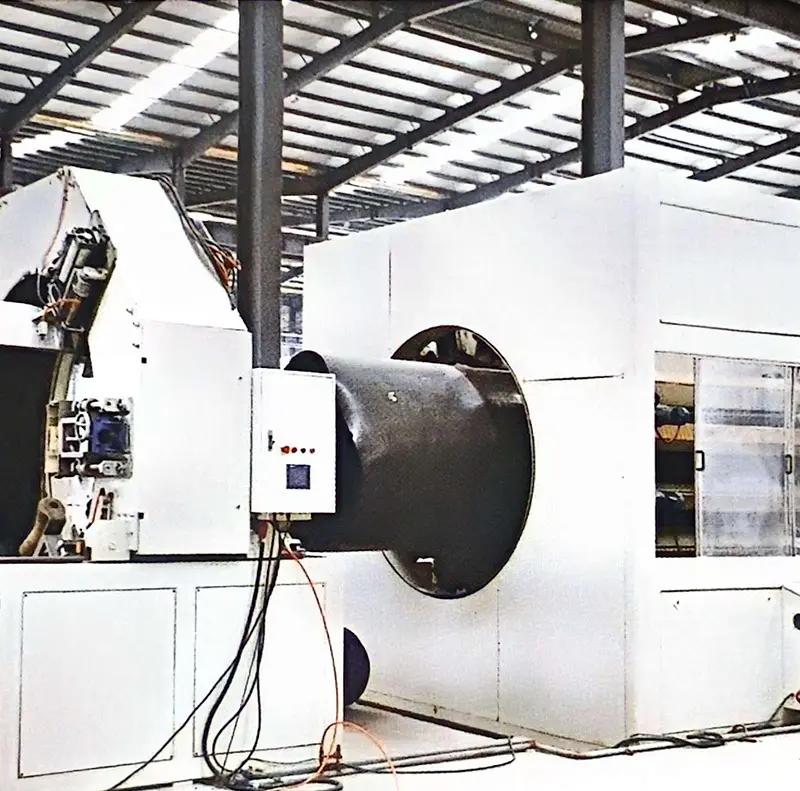
Under the leadership of Chairman Mr. Ming SUN, a dedicated environmentalist and innovator, Kerlimar aligns its industrial operations with global climate action targets. Recognizing the carbon-intensive nature of traditional steel processing, the company supports decarbonization pathways and invests in wind-energy solutions.
In 2019, Kerlimar expanded its R&D into clean energy technologies, focusing on vertical-axis wind turbine systems. Our proprietary designs address wind power generation bottlenecks, incorporating advancements in magnetic levitation, suspension, grid structures, and land/marine floating platforms. Supported by over 40 patents authorized by the State Intellectual Property Office, this technology has been featured at high-level platforms including the China-Finland High Technology Match Conference and the COP28 UAE Climate Change Conference in Dubai.
By integrating green power systems into manufacturing complexes, we aim to lower the carbon footprint of steel production, supplying low-carbon structural products that meet environmental, social, and governance (ESG) procurement standards.
Kerlimar was recognized as a National High-Tech Enterprise in December 2020. Our participation in events like the China Innovation and Entrepreneurship Competition and COP28 reflects our commitment to technical performance and quality assurance.
Our current product lineup supports heavy infrastructure projects, offering durability and chemical resistance in high-salinity and corrosive environments. We implement rigorous testing protocols, including hydrostatic testing, ultrasonic examination, and magnetic particle inspection, to verify that every pipe meets required engineering specifications before delivery.

Providing corrosion-resistant, high-strength structural support and fluid transmission systems for major infrastructure projects worldwide.
Our ongoing transition toward digital manufacturing, carbon reduction, and high-performance metallurgical coatings.
Utilizing high-purity iron ore sourced from green blast furnaces to reduce Scope 1 and Scope 2 carbon emissions during pipe formation.
Deploying automated dipping systems with integrated gas wiping to ensure uniform coating thickness and eliminate surface imperfections.
Integrating our proprietary vertical-axis wind turbine systems into our manufacturing facilities to achieve carbon neutrality goals.
Key technical and procurement questions answered by our engineering specialists.
Premium seamless, thermal control, and high-strength welded pipes manufactured to international engineering standards.
 Kerlimar