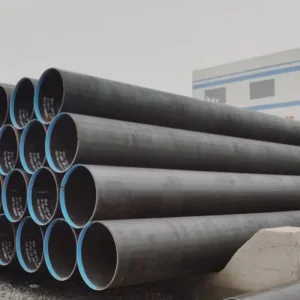
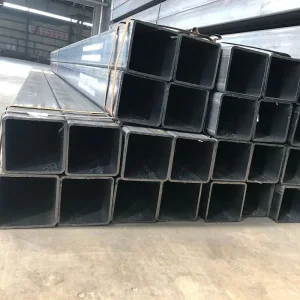
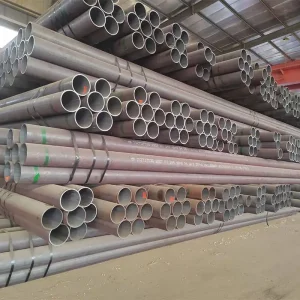
As the global energy landscape transitions, heavy wall carbon steel pipes remain the backbone of thermal power plants, nuclear facilities, and deep-sea oil exploration. Their ability to withstand extreme pressures (HP) and high temperatures (HT) is unmatched by standard piping.
Modern skyscrapers and massive bridges utilize heavy wall sections for superior load-bearing capacity. These pipes offer high structural integrity with minimal weight compared to solid steel beams, revolutionizing urban architecture.
The global market is currently seeing a shift toward specialized, high-yield grades. Suppliers who can offer Information Gain—such as detailed metallurgical data and life-cycle assessments—are leading the market.
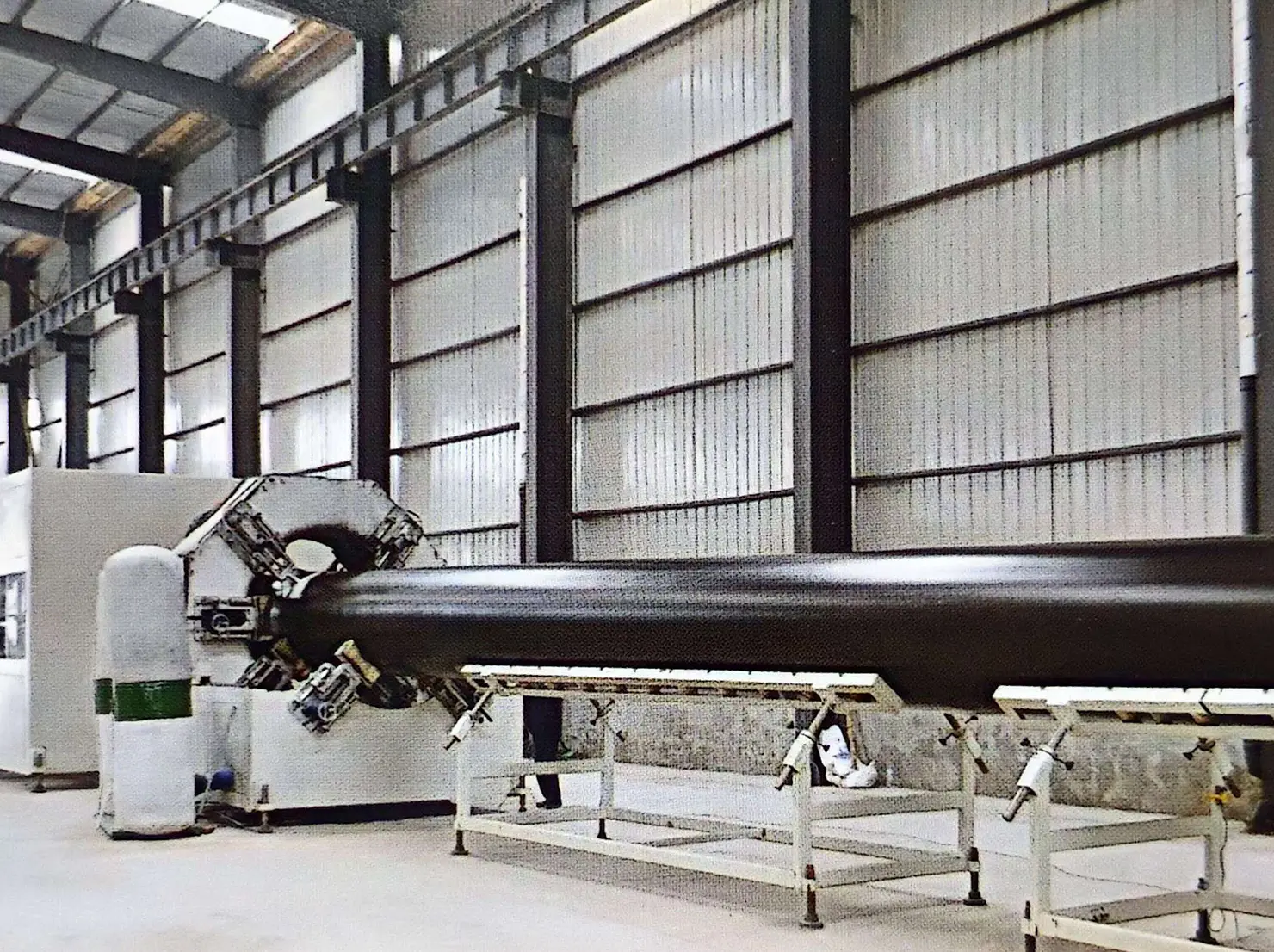
Established in 2003, Shaanxi Kerlimar Engineers Co., Ltd. has spent over two decades mastering the complexities of the international steel trade. Our expertise spans across carbon steel, alloy steel, and stainless steel materials.
We strictly adhere to international manufacturing standards including ASTM, ASME, EN, and JIS, ensuring that every heavy wall pipe delivered meets the most stringent quality protocols.
China's factories have integrated AI and IoT in the rolling process, allowing for real-time monitoring of wall thickness consistency within microns.
The massive industrial clusters in Hebei and Shaanxi provide an ecosystem that reduces lead times and logistics costs significantly.
Focusing on "Green Steel," many Chinese manufacturers are now using electric arc furnaces to reduce the carbon footprint of heavy wall pipe production.
From specific quenching and tempering (Q&T) cycles to unique beveling requirements, China provides unmatched flexibility for bespoke engineering needs.
Heavy wall seamless pipes are critical for subsea manifolds and risers. They must resist the immense external pressure of the ocean depths while transporting high-pressure hydrocarbons from the reservoir.
Safety is paramount. Our pipes used in nuclear cooling systems undergo ultrasonic testing (UT) and radiographic testing (RT) to guarantee zero defects in the grain structure.
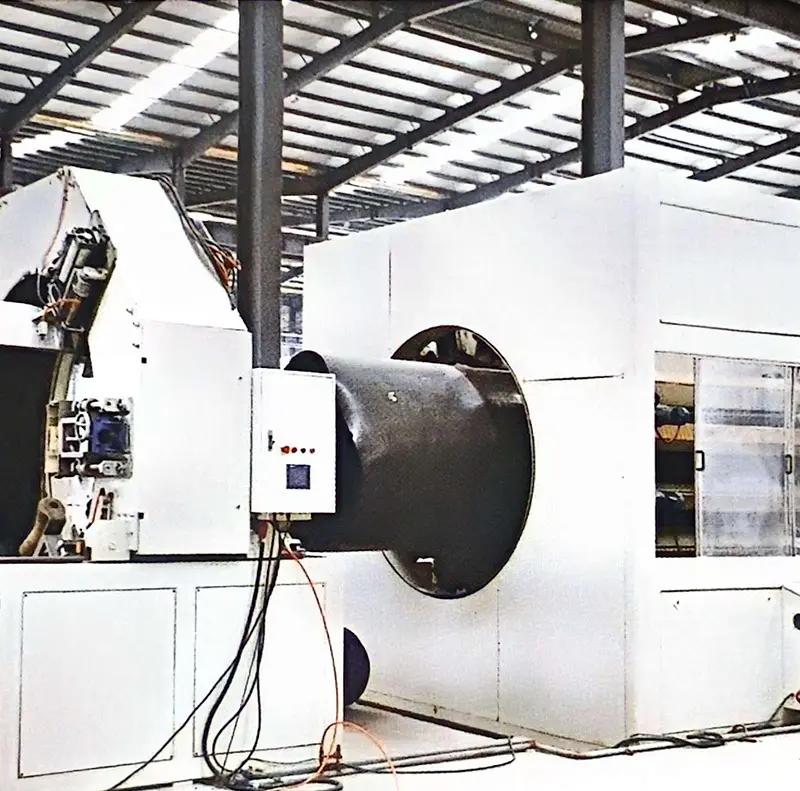
As mentioned in our company culture, we are deeply committed to climate change. Our involvement in new vertical axis wind power technology uses heavy-duty steel structures to support large-scale turbines. With over 40 patents authorized, Kerlimar is bridging the gap between traditional steel manufacturing and futuristic clean energy solutions.
Embedded sensors within the heavy wall structure to monitor stress, strain, and corrosion in real-time using fiber optic technology.
Developing new carbon steel variations that offer higher strength-to-weight ratios, allowing for thinner walls with higher pressure ratings.
Providing a "Digital Twin" for every batch of pipes, allowing procurement officers to simulate performance in their specific software environments before installation.
A: Most international projects use ASTM A106 Grade B, ASTM A333 (for low temp), or API 5L for line pipes. Our factory covers all these plus European EN 10210/10216 standards.
A: We use multi-stage heat treatment and advanced non-destructive testing (NDT). For wall thicknesses exceeding 50mm, we focus on grain refinement to ensure ductility isn't sacrificed for strength.
A: Yes, while standard lengths are 6m or 12m, we offer Fixed Length (SRL/DRL) services to minimize on-site welding for our global clients.
A: Led by Mr. Ming SUN, we are active participants in COP28 and have won national awards for innovation. We focus on low-cost, high-reliability technology that supports rural revitalization and carbon neutrality.

 Kerlimar